

After Months of Delay, UK Government Faces Hamas in Court

The British capital witnessed a significant judicial development on Thursday morning, 26 March 2026, as hearings commenced regarding the appeal lodged by Hamas against the British Government’s decision to maintain its classification as a proscribed organisation. The proceedings are being held before the Proscribed Organisations Appeal Commission (POAC).
The legal arguments were led by barristers Frank Magennis and Dan Greetz, who placed British policies and their impact on Palestinian political rights under intense judicial scrutiny. They asserted that this case serves as a critical test for judicial transparency in the face of foreign policies aligned with the Israeli occupation.
Delays in the Appeal Process
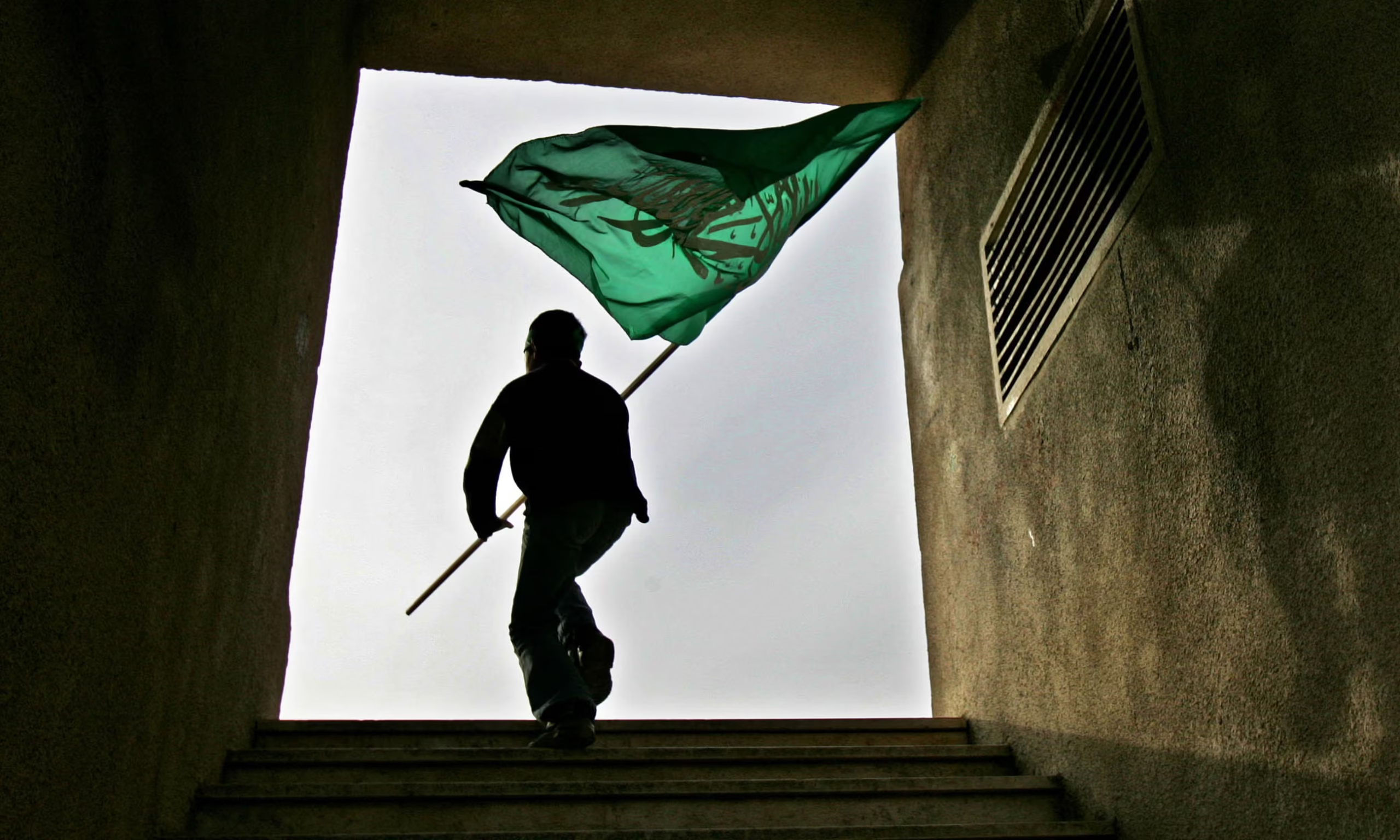
Despite the appeal being submitted over six months ago, the case had seen no tangible progress. The directions hearing was scheduled following a request from Hamas to move the judicial process forward after a prolonged period of stagnation.
Deliberations revealed a failure by the Special Advocates Support Office (SASO), which was notified seven months ago of the need to appoint legal counsel for the movement but has yet to do so. Observers note that this delay raises serious questions about the reasons behind the obstruction and represents a breach of the principles of swift justice.
Government Attempt to Strike Out the Appeal
In contrast, Home Secretary Shabana Mahmood sought to have the appeal struck out entirely, without providing clear legal justifications. Human rights advocates view this move as an attempt to evade full judicial scrutiny amidst growing international and academic pressure, which questions the legitimacy of the ban imposed on the movement’s political wing since 2021.
Background of the Proscription Decision
![A Palestine flag is seen in front of The Royal Courts of Justice building in London, United Kingdom on November 26, 2025. [Zeynep Demir - Anadolu Agency]](https://i0.wp.com/www.middleeastmonitor.com/wp-content/uploads/2025/11/AA-20251126-39811974-39811969-PALESTINE_ACTION_SUPPORTERS_GATHER_OUTSIDE_COURT_IN_LONDON.jpg?fit=920%2C613&ssl=1)
The case dates back to 2021, when the then Home Secretary, Priti Patel, decided to extend the ban to include the political wing of Hamas, which had previously been limited to its military wing since 2001. Legal experts criticised the decision, arguing it hinders humanitarian work, restricts political communication, and criminalises a political movement that won the Palestinian legislative elections in 2006.
In April 2025, the movement submitted a formal deproscription application under Section 4 of the Act, supported by testimonies from 20 academic and legal experts. Among them were Avi Shlaim, the Israeli-British historian at Oxford University, and John Dugard, former judge at the International Court of Justice, both of whom provided historical and legal perspectives in support of the appeal.
Defence Team: A Politically Motivated Decision
Frank Magennis, counsel for Hamas, stated that the Home Office’s decision reflects a long-standing political bias towards the Zionist project, dating back to before the 1917 Balfour Declaration. He added that Britain remains closely allied with the Israeli state, arguing that the proscription of Hamas is used as a pretext to justify political and military stances supporting the occupation.
Magennis explained that the appeal would provide a direct path to hold the former Home Secretary, Yvette Cooper, personally accountable, including allegations that the decision was driven by explicit racism against Palestinians as part of a long-term British policy. He confirmed that the public can follow the case and all legal arguments via the website hamascase.com.
What Will the Court Examine?
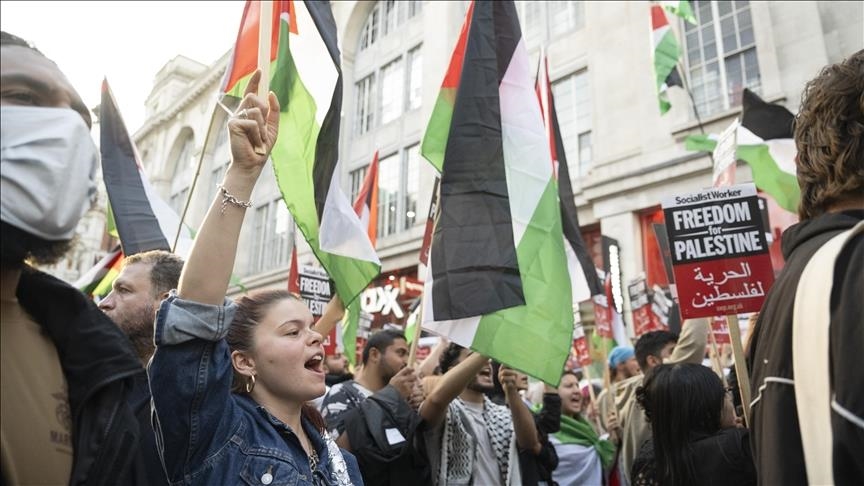
The appeal under Section 5 focuses on the lawfulness of the Home Secretary’s decision to maintain the proscription, arguing it is politically biased and legally flawed. The challenge asserts that Hamas poses no threat to UK national security and that its activities are confined to the context of the conflict within Palestine. Today’s hearing is expected to focus on the excessive delays and the Home Office’s attempt to dismiss the case before addressing its legal substance.
Academic Weight Supporting the Appeal
The challenge rests on a robust foundation of international academic and legal testimonies, most notably:
- Professor Avi Shlaim: The Oxford University historian, who provided a historical insight into the movement’s role within the Palestinian national fabric.
- Judge John Dugard: The former ICJ judge, who analysed the case from the perspective of international law and the right of peoples to self-determination.
The legal team emphasised that this challenge is not merely a technical procedure, but a battle over the characterisation of Palestinian resistance in the West, asserting that continued criminalisation obstructs the chances for a just and comprehensive peace.
Read more:
ShortURL ⬇