

Hunger Is Closing In on Five Arab Regions: What Do We Know and What Can We Do?

Figures from October 2026 on Sudan, Yemen, Somalia, Gaza and Syria, and how Al-Arab in UK can play a part in the response.
On 12 October, while many of us were following the usual news, a new UN alert warned that the risk of famine was rising in parts of Darfur and Kordofan in Sudan. It did not declare a new famine, but the Famine Review Committee, the independent body responsible for verifying such classifications, said the available evidence pointed to a rapidly deteriorating situation.
This warning is one of several signals reaching us from Arab countries and territories in recent days. According to the 2026 Global Report on Food Crises, 266 million people worldwide experienced acute hunger last year, with famine confirmed in parts of Gaza and Sudan. This was the first time two famines had been recorded in the same year. Of the six countries placed at the highest level of concern in the Hunger Hotspots report published in June, four are Arab: Sudan, Yemen, Palestine and Somalia. Syria also appears among the report’s 13 hotspots.
We are publishing this report to explain what is happening, with the figures, and to ask what we can do while living in Britain.
Sudan: War and Drought at the Same Time
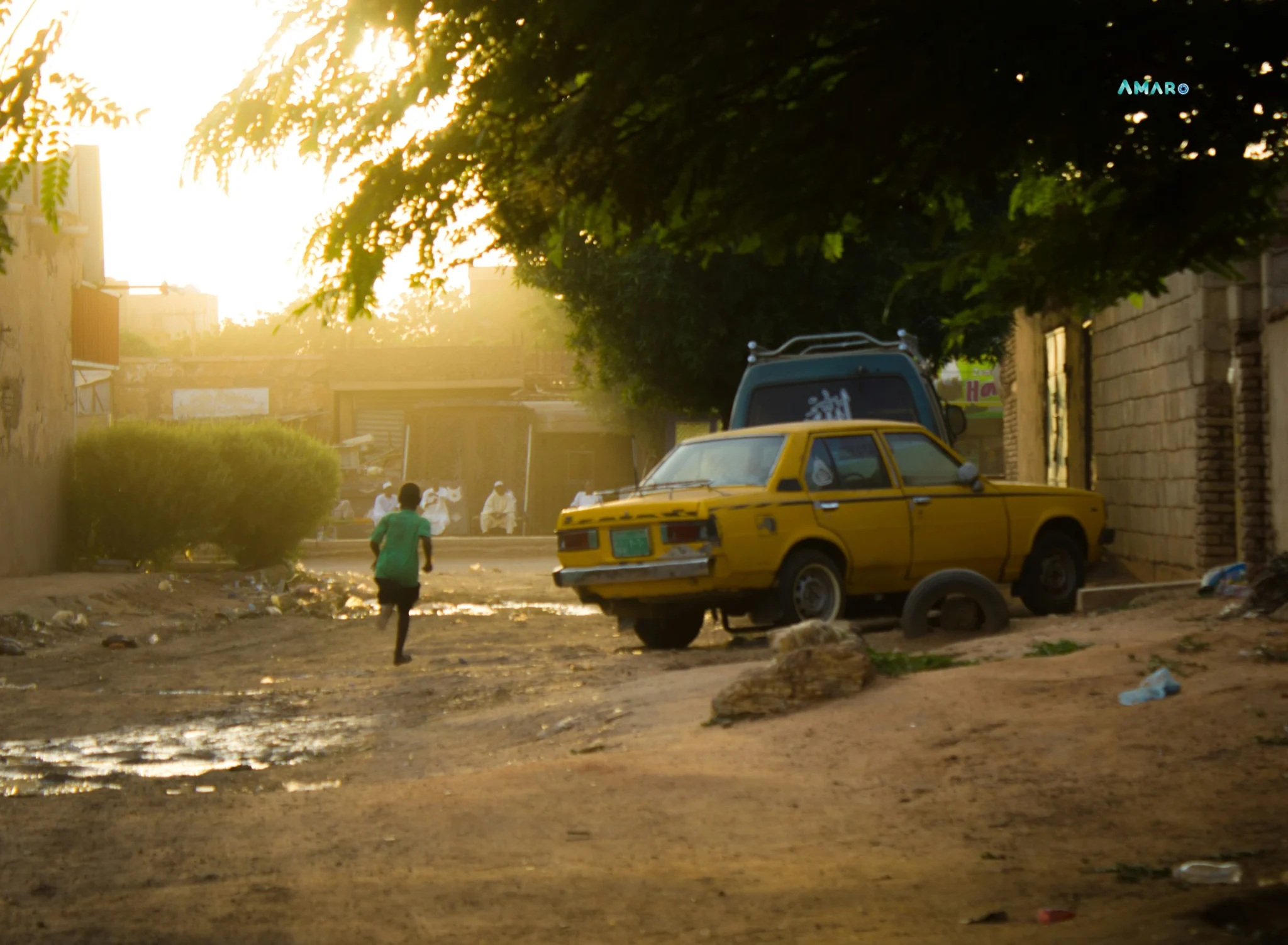
More than 300,000 people have been forced to flee their homes in Kordofan since October 2025, while drought linked to the El Niño phenomenon is affecting around half of the country. In two displacement camps in South Darfur, acute malnutrition among children has exceeded the famine threshold.
The latest comprehensive assessment, published in May, estimated that around 19.5 million Sudanese—more than 40 per cent of the population—were facing high levels of food insecurity, with the risk of famine identified in 14 areas. The UN estimates that 33.7 million Sudanese need assistance, while this year’s humanitarian response plan has received only around 41 per cent of the funding required.
Yemen: The Highest Rate This Year
The World Food Programme said on 2 October that 74 per cent of households in areas it can reach were unable to secure their basic food needs—the highest rate recorded this year—following renewed fighting along the south-western coast.
Some 18.3 million Yemenis are facing acute hunger, while 2.2 million children under the age of five are suffering from acute malnutrition. In Taiz alone, fighting is preventing the programme from reaching more than 600,000 people who rely on aid.
Somalia: The Memory of 2011 Still Lingers
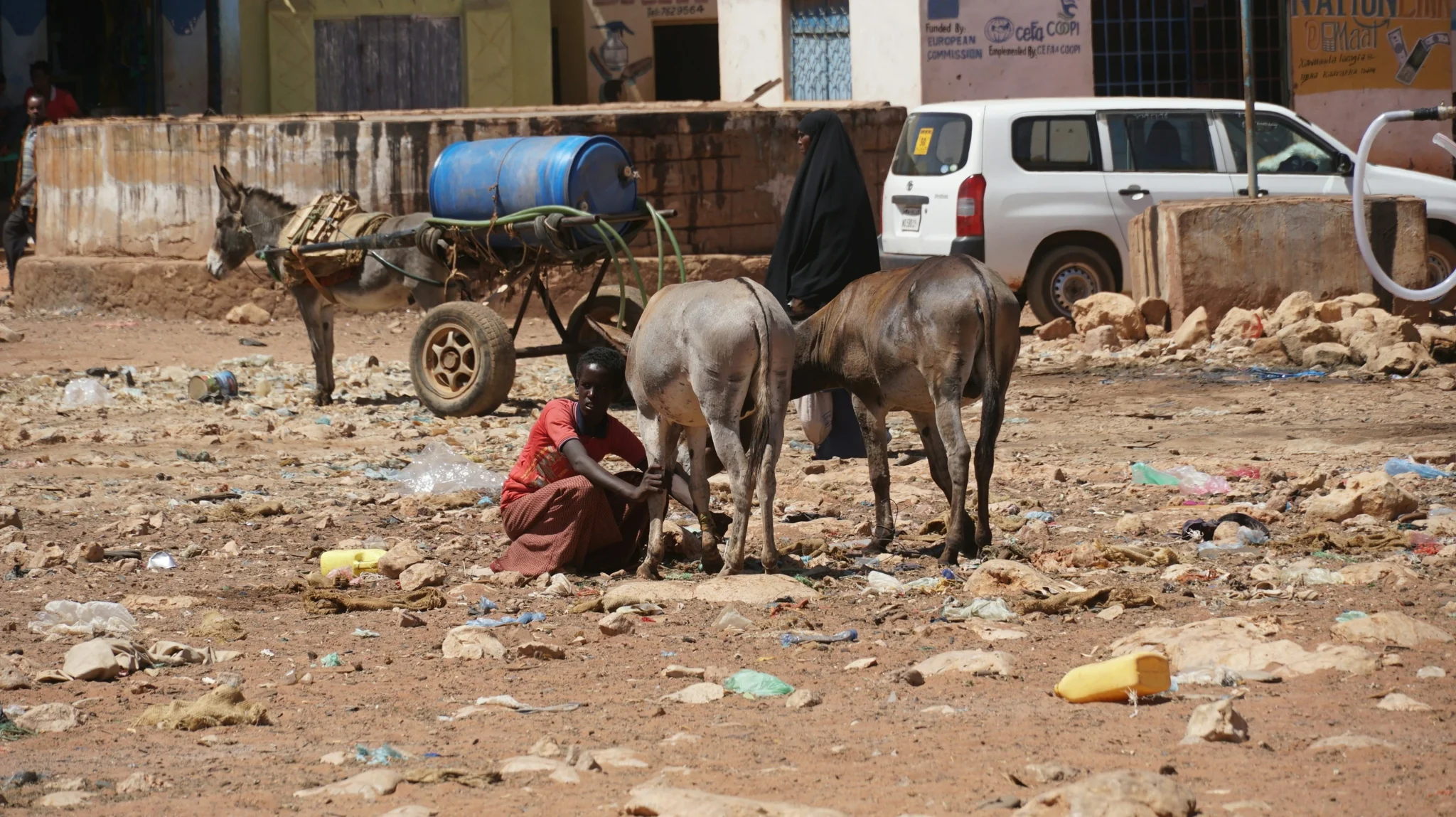
The UN classification identified a risk of famine in the Burhakaba district of Somalia’s Bay region. Around 5.1 million Somalis faced acute hunger between July and September, while Save the Children warned that more than 26,000 people could reach catastrophic levels of hunger between October and December, as the country prepares for heavy rains and flooding.
Fifteen years ago, Somalia experienced a famine that claimed the lives of around 260,000 people.
Gaza: Fragile Gains
Famine has receded from the Gaza Strip, according to the UN classification announced in December, following the ceasefire. However, the latest analysis, published on 23 July, estimates that 1.4 million people—67 per cent of the population—will face crisis-level food insecurity or worse through December. It also estimates that 74,200 children will need treatment for acute malnutrition through April 2027.
The analysis warns that around 1.9 million people, or 90 per cent of the population, would face acute hunger if food assistance were to stop. The UN Office for the Coordination of Humanitarian Affairs (OCHA) has warned that the production of hot meals and the distribution of food parcels will decline significantly from this month.
Syria: Hunger in the Shadows
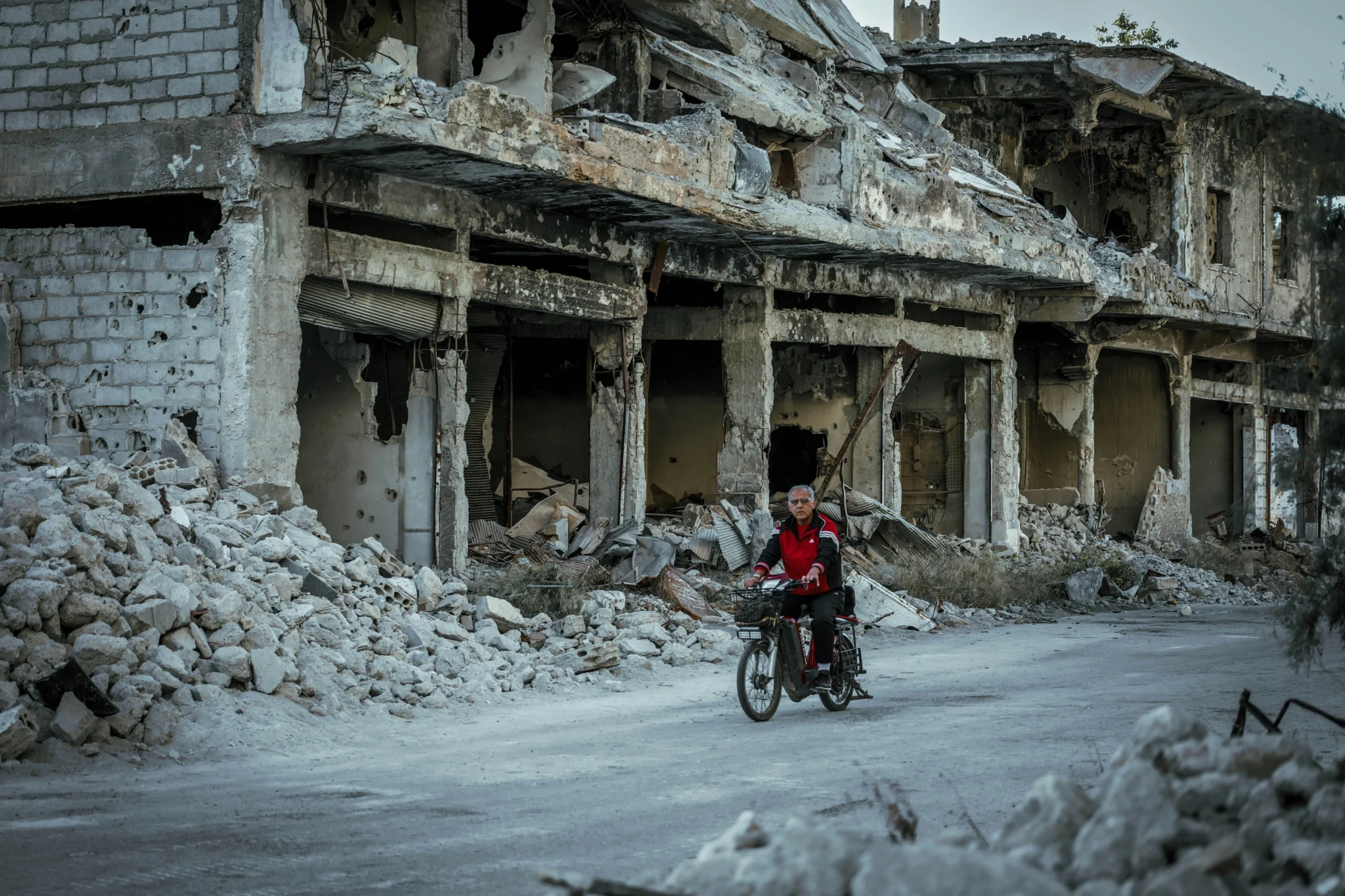
The World Food Programme estimates that 7.2 million Syrians are experiencing acute food insecurity, including 1.6 million facing emergency levels. In May, the programme halved its emergency food assistance and suspended the national bread support programme. It said it needed $189 million over six months to restore the suspended programmes.
Why Should We Care?
Because, in many of these situations, the difference between a crisis and famine is not determined by fate alone. It also depends on whether access routes remain open and funding arrives on time. Aid organisations point out that Somalia was pulled back from the brink of famine two years ago through early intervention, while Gaza moved from famine to crisis when access for aid improved following the ceasefire.
In other words, public awareness, funding and pressure can make a measurable difference. At the same time, the figures show that every response plan receives less funding than it needs, while time is running out in critical periods: Somalia’s rainy season between October and December, winter in Gaza, and the lean season in Yemen.
What Can We Do from Britain?
◆ Support registered organisations: Make sure the charity you donate to is registered with the Charity Commission in England and Wales, and check that it is actively working in the country you want to support. If you pay tax in Britain, ask whether you can use Gift Aid to increase the value of your donation at no extra cost to you. This option is available through Action for Humanity.
◆ Give regularly: Hunger relief requires sustained funding, not just a single wave of donations that fades when media attention moves on.
◆ Share verified information: Share figures alongside their sources and publication dates, and avoid circulating images or reports whose origins you cannot verify.
◆ Contact your MP: Ask about the British government’s position on funding humanitarian responses and ensuring aid can reach people in Sudan, Yemen and Gaza.
◆ Organise a local initiative: Turn concern into coordinated action through your mosque, school, community association or university. You can also support our fundraising campaign with Action for Humanity through this link.
ShortURL ⬇