


How to Calculate Zakat al-Fitr in the UK for 2026 — and Why It Is Often Given in Cash
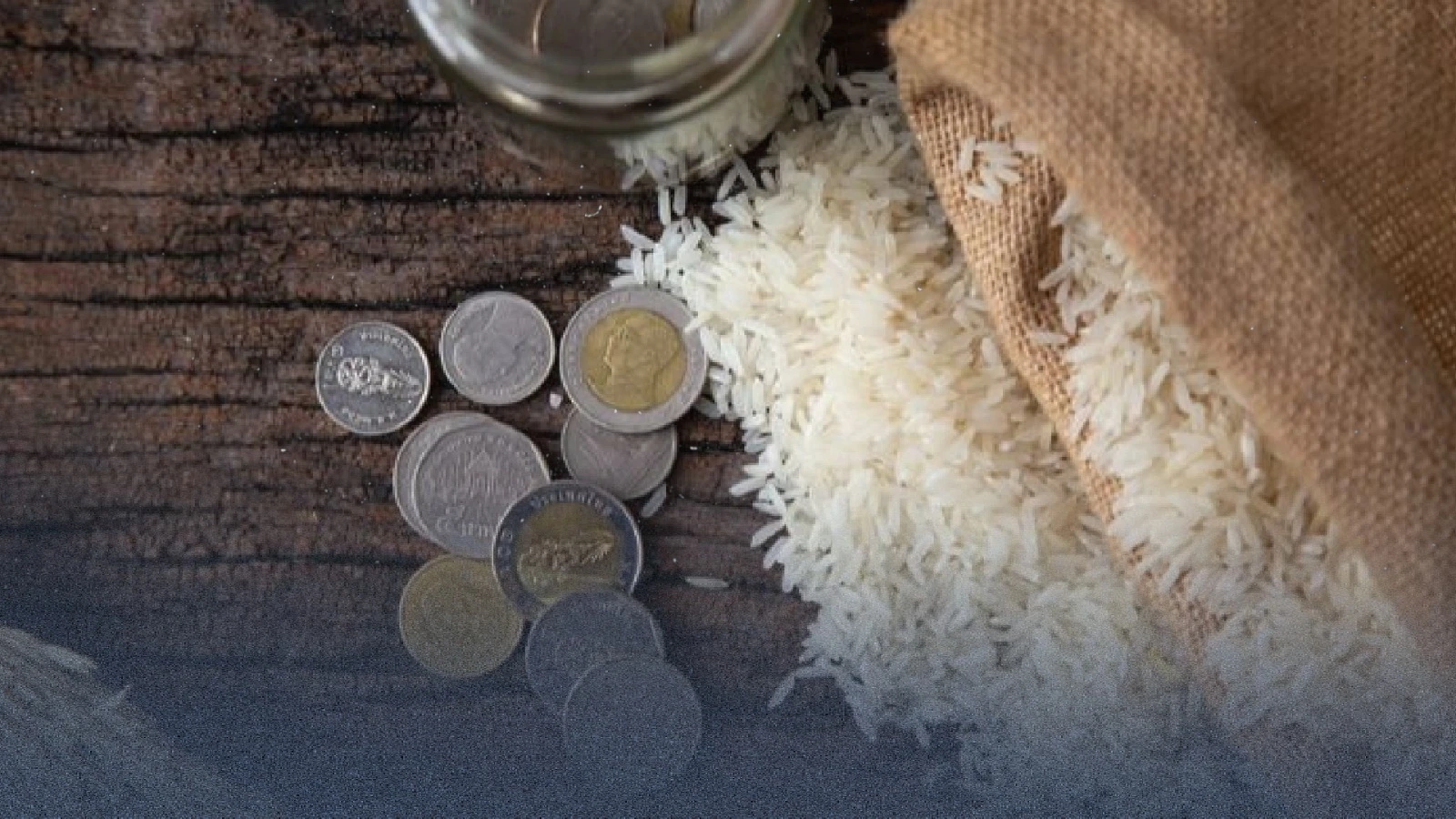
As Ramadan approaches its final days, Muslims across Britain prepare to pay Zakat al-Fitr — a mandatory charitable contribution due before the Eid al-Fitr prayer. In the UK context, most Islamic institutions recommend giving it in cash rather than food, citing practicality and greater benefit for recipients.
Before calculating the amount for 2026, it is important to clarify what Zakat al-Fitr represents and who is required to pay it.
What is Zakat al-Fitr?
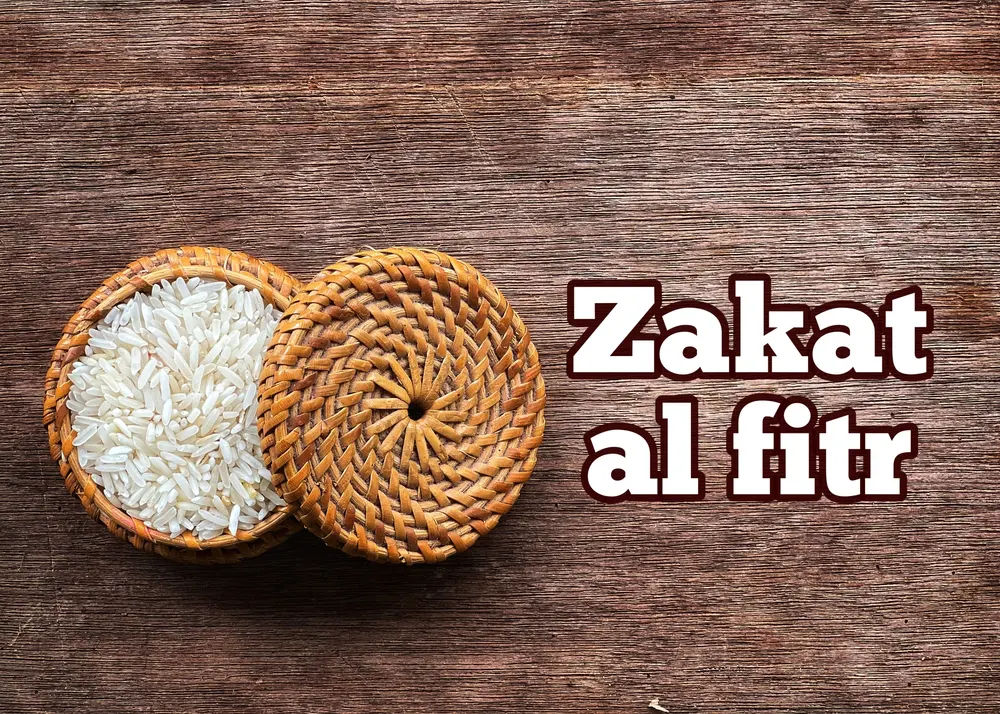
Zakat al-Fitr (sometimes referred to informally in certain communities as “fitrana”) is a compulsory charity payable at the end of Ramadan before the Eid prayer.
In Islamic teaching, it serves two primary purposes:
• To purify the fasting person from any shortcomings during Ramadan
• To ensure that those in financial hardship can participate in Eid without needing to ask for assistance
It is obligatory for every Muslim who possesses sufficient provisions beyond their essential needs. A person must pay it on their own behalf and on behalf of those they financially support, including a spouse and children.
If paid after the Eid prayer, it is no longer considered Zakat al-Fitr fulfilled within its prescribed time, but ordinary voluntary charity.
While minor jurisprudential differences exist between schools of thought, the overwhelming scholarly consensus across Muslim communities is that it is a binding obligation upon those able to pay.
How much is Zakat al-Fitr in the UK for 2026?
Traditionally, Zakat al-Fitr is calculated as one “sa‘” — a classical unit of measure — of staple food common to the local area, such as wheat, barley, rice, or dates. In modern terms, this amounts to approximately 2.5 to 3 kilograms of food.
In the UK, most Islamic organisations convert this into a monetary equivalent reflecting the average cost of staple food.
For 2026, UK-based Islamic institutions have suggested the following:
• £7 per person (as indicated by Action For Humanity)
• Between £7 and £10 per person (according to Mayfair Islamic Centre, London)
Accordingly, £7 per person is widely regarded as the minimum recommended amount for 2026, while £10 may be given by those wishing to increase the benefit to recipients.
How to calculate your payment
The calculation is straightforward: multiply the amount per person by the number of dependents you are financially responsible for.
For example:
• A family of four would pay £28 at £7 per person
• The same family would pay £40 at £10 per person
When should it be paid?
Zakat al-Fitr must be paid before the Eid prayer.
It may be given one or two days before Eid, and many scholars permit payment during the final days of Ramadan to ensure timely distribution.
If delayed until after the Eid prayer, it is considered general charity rather than Zakat al-Fitr fulfilled on time.
Why is it often given in cash in the UK?

Although traditionally given in food, many contemporary scholars in Britain advise payment in cash. The reasoning is largely practical:
• It allows recipients to prioritise their own needs
• It enables charities to distribute support more efficiently
• It reflects the cash-based structure of modern British society
Within this framework, cash payment is understood not as a departure from tradition, but as a mechanism for achieving its intended purpose more effectively.
As Eid approaches, Zakat al-Fitr remains both a religious obligation and a social equaliser — designed to ensure that financial hardship does not prevent participation in a shared celebration.
Read More:
ShortURL ⬇