

Analysis: Burnham Against Thatcherism: Is This Labour’s Last Chance?
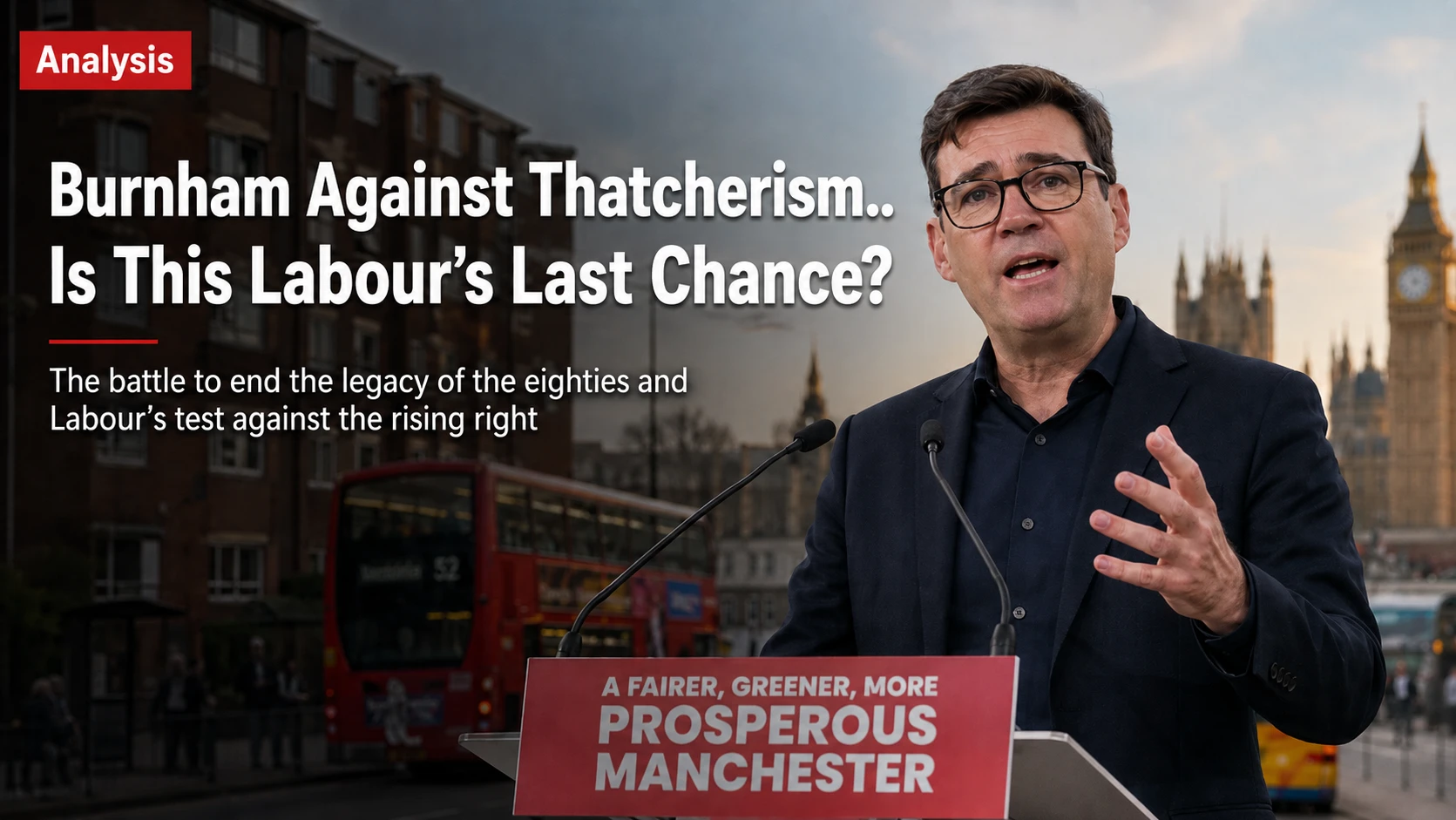
Analysis: Burnham Against Thatcherism: Is This Labour's Last Chance?
When Andy Burnham described this as Labour’s “last chance”, he was talking about far more than replacing one prime minister or forming another government.
He was making a larger argument.
The party that has governed Britain since 2024 has often appeared cautious, divided and exhausted, spending as much time managing its own internal tensions as confronting the opposition. Burnham’s message is that Labour can no longer afford merely to manage decline. It must either offer a convincing alternative to the rising populist right or leave the political landscape to Reform UK and the Conservatives to redefine.
That is why one line from his leadership speech captured the moment so precisely.
“We will not defeat the new British right if we consume ourselves in internal conflict and pull in different directions.”
This was not simply an appeal for party unity.
It was also a declaration that Britain’s political battle cannot be won through cautious centrism alone or by arguing that Labour is simply more competent than the Conservatives.
Burnham wants to present himself as the leader of a much larger story.
Britain, he argues, has been on the wrong path since the 1980s.
Now it is time to change direction.
What Does Ending Thatcherism Mean?
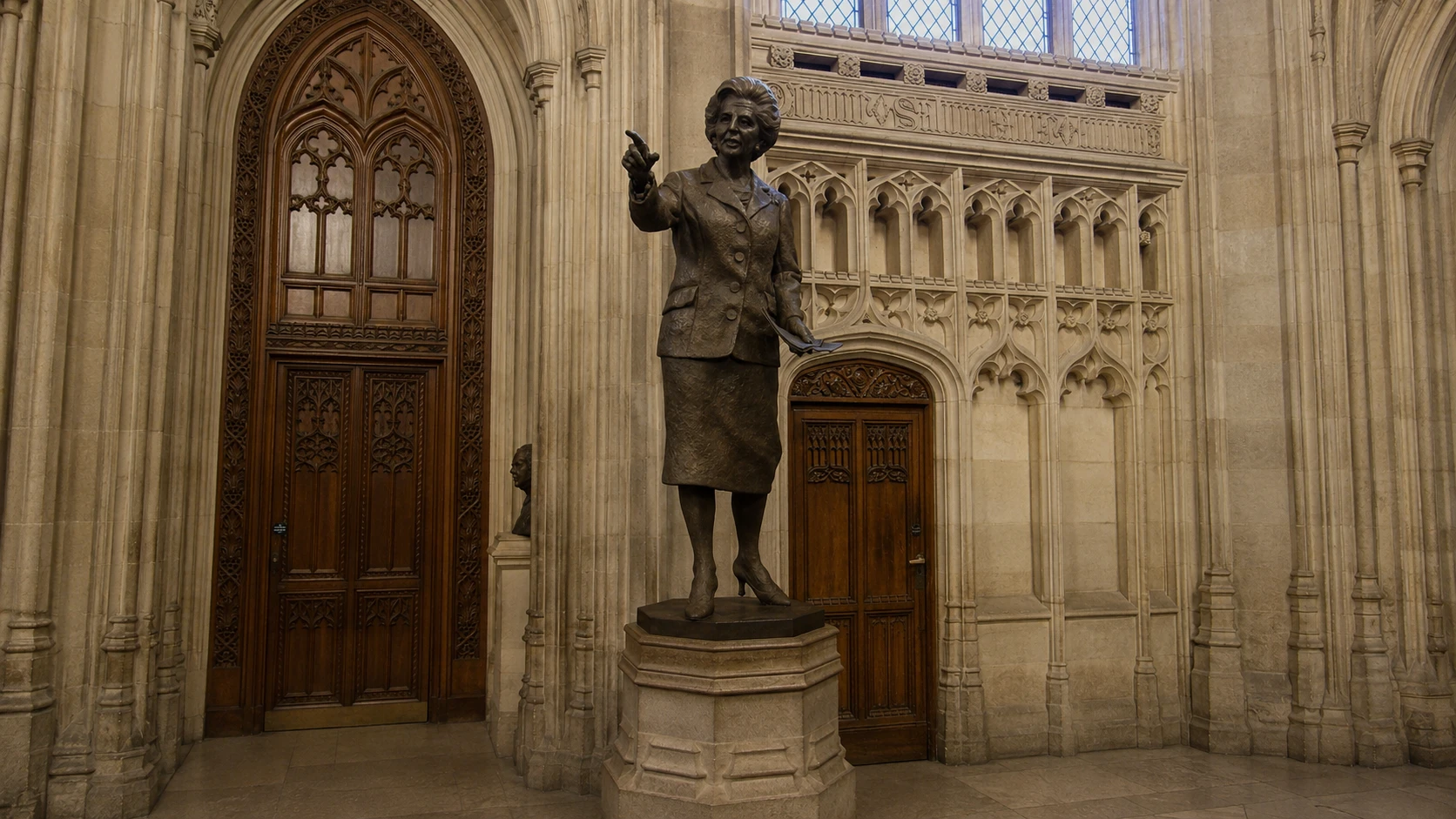
When Burnham speaks of reversing Thatcherism, he is not invoking Margaret Thatcher merely as a historical figure.
He is challenging an entire political and economic settlement: privatisation, a smaller state, weaker trade unions, market-driven public services and a concentration of political and economic power in London at the expense of Britain’s regions.
In his speech, Burnham described four decades during which power steadily drifted away from local communities.
That sentence explains the heart of his project.
The problem, in his view, is not simply poor government or failing public services.
It is a model of governance that left many people believing decisions about their lives are made somewhere else.
That thinking underpins his headline promises: lower energy bills, cheaper bus fares, greater public control over essential utilities, reform of social care and expanded social and council housing.
These are more than policy pledges.
They represent an attempt to recast Labour as the vehicle through which public control can be restored over services that gradually slipped beyond both state and community influence.
It is precisely this vision that unsettles his opponents.
The Seventies Versus the Eighties
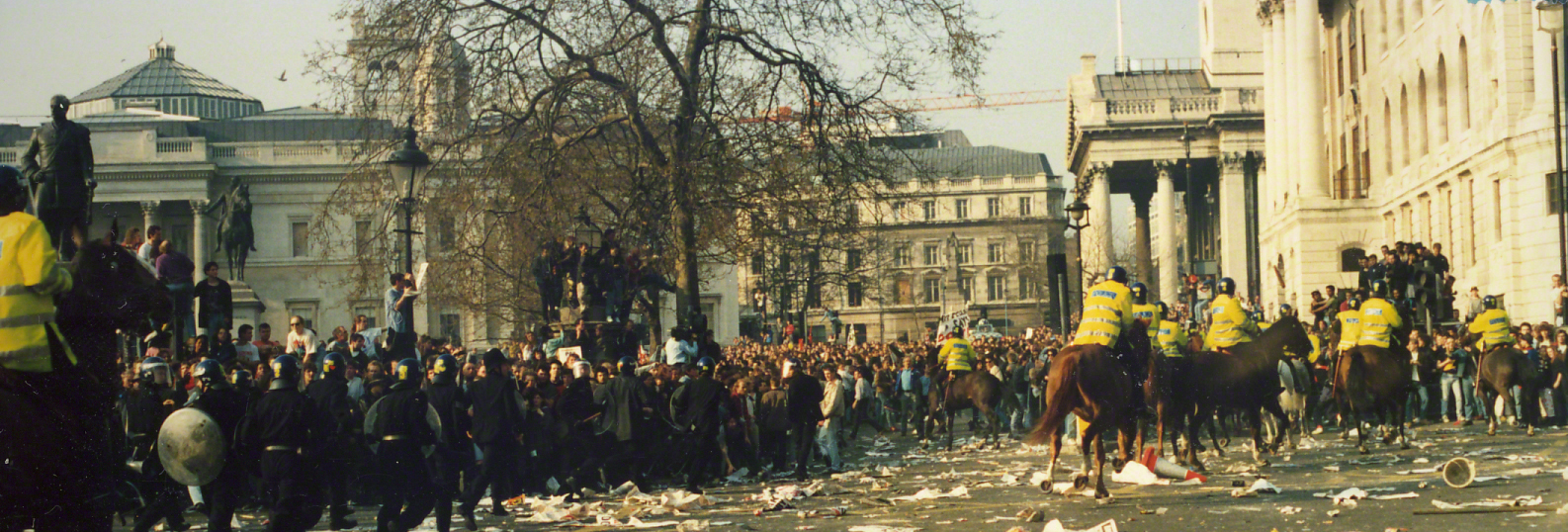
For Britain’s conservative press, any proposal expanding the state’s role immediately summons one political image.
Britain in the 1970s.
The decade functions less as history than as political shorthand: strikes, militant unions, inflation, high taxation and failing public services.
The Daily Mail therefore does not need to dismantle Burnham’s programme point by point.
It is enough to claim he would “drag Britain back to the 1970s.”
That framing is no coincidence.
The British right built much of its modern political identity around the belief that Thatcher rescued Britain from that decade.
If Burnham now argues that Britain’s deeper problems began with Thatcher herself, he is not merely disputing individual policies.
He is challenging one of the founding myths of modern British politics.
Was Thatcherism the cure?
Or the beginning of a long-term weakening of the state, public services and local communities?
That is the real argument beneath today’s headlines.
Kinnock, Not Corbyn

One of Burnham’s more revealing choices was whom he invoked as inspiration.
Not Jeremy Corbyn.
Neil Kinnock.
The distinction matters.
Although elements of Burnham’s programme sit to the left of both Tony Blair and Keir Starmer, Kinnock occupies a different place in Labour’s history.
He was the leader who tried during the 1980s to rebuild a divided party capable of challenging Thatcher while avoiding the image of a permanent protest movement unable to govern.
By invoking Kinnock, Burnham sends two messages simultaneously.
He wants Labour to recover a clearer social-democratic identity.
But he also wants voters to believe that identity remains electorally credible.
That balancing act also explains concerns among parts of Labour’s left over the possibility of appointing Shabana Mahmood as Chancellor.
Burnham speaks about ending Thatcherism.
Yet he may begin his government by sending reassuring signals to financial markets.
He wants to appear progressive enough to rebuild Labour’s electoral coalition while remaining economically responsible enough to avoid unsettling business confidence.
It is an uncomfortable balance to maintain.
Labour’s Last Chance Against the New Right
When Burnham speaks about Britain’s “new right”, he is not referring only to the Conservatives.
His principal concern is Reform UK and Nigel Farage’s ability to transform frustration over immigration, public services, living costs and political elites into a simple and compelling political message.
Burnham understands that quiet managerial politics struggles against that kind of populism.
If voters conclude that every mainstream government sounds alike and delivers similarly modest results, they become increasingly receptive to those promising to break the entire system.
That is why Burnham presents himself as an outsider to Westminster despite spending decades inside Labour politics.
His reputation as the “King of the North” is more than a media nickname.
It is central to his political identity: a leader speaking for regions that have long felt London keeps the power while leaving everyone else to manage the consequences.
Yet political branding alone will not be enough.
If Burnham’s promises fail to produce lower energy bills, cheaper transport, better social care, more affordable housing and a stronger public role in essential services, then Labour’s “last chance” will come to sound less like a rallying cry than an admission of how difficult the task really is.
Between Hope and Anxiety
Burnham’s greatest strength is that he offers Labour a new political narrative after years of caution.
His greatest vulnerability is that the same narrative immediately raises difficult questions.
Who pays for this transformation?
How will financial markets respond to a larger state?
Can he reassure business while satisfying Labour’s left?
And can he prevent internal disagreements from becoming yet another struggle over the party’s identity?
Burnham is inheriting more than a government.
He is inheriting a question Britain has postponed for decades.
Has the post-Thatcher settlement finally reached its limits?
Or does Britain continue to live within it, even while claiming to reject it?
If this truly is Labour’s “last chance”, as Burnham argues, the test will not lie in the power of the rhetoric.
It will lie in whether his government can demonstrate that expanding the role of the state is not an attempt to return to the past, but an effort to prevent Britain’s future from being shaped by an increasingly confident populist right promising to turn public anger into harsher politics.
Read more:
- Burnham Wins. Did Starmer Lose Despite Labour’s Victory?
- Analysis: Five Years or Ten? The Permanent Residence Battle Testing Burnham’s Government Before It Begins
- Analysis: Is Washington Choosing Britain’s Chancellor? Why the Trump Administration Is Weighing In on the Next UK Government
ShortURL ⬇