

Exclusive Report: “I Left Because I Was Afraid” Why Are French Students Taking to the Streets While British Students Remain Quiet?
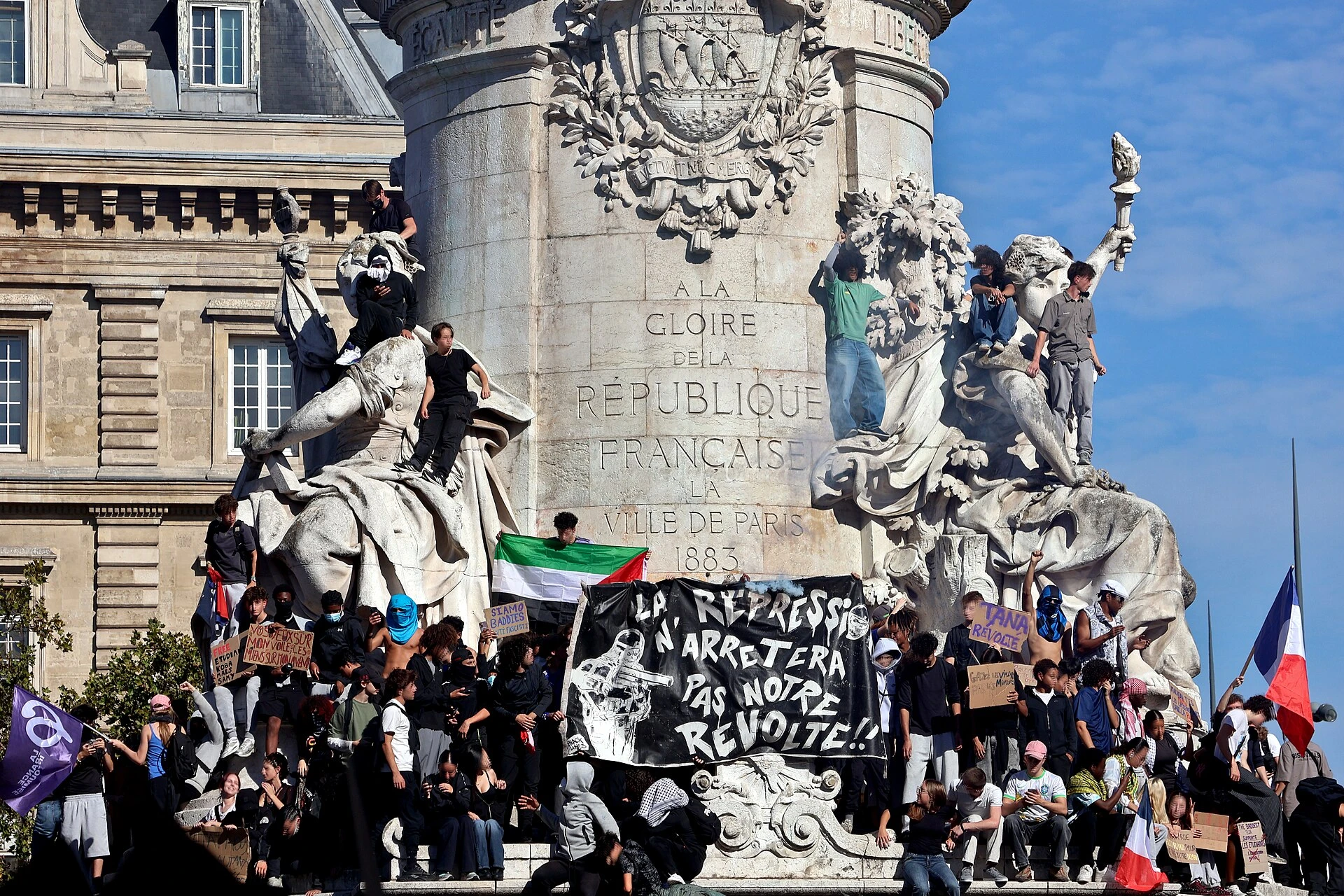
A French generation shuts down schools and defies tear gas, while a British generation faces the same crises and retreats into silence.
Five guests explain to Al-Arab in UK the secret behind this stark difference.
London – Al-Arab in UK
A French student wrote a single sentence on her placard: “Because I was afraid to go out, I went out to protest.”
Her friend Hasnaa, a student at the Sorbonne University, carried the words with her into the streets. She says they sum up everything: “Repression will not silence us, and fear will not paralyse me.”
Hasnaa is the daughter of a taxi driver from the outskirts of Paris and one of hundreds of thousands of people who have taken to the streets since mid-September.
Her family, she says, “is afraid, but they encourage me.”
At the same time, on the other side of the English Channel, an international student sits in his university library in London, calculating the hours he is allowed to work — no more than 20 hours a week — while thinking about his rent payment and a visa he could lose if he makes a mistake. He is struggling with the same high costs and pressures as Hasnaa, but he will not take to the streets.
Between these two scenes lies the central question of this report: Why does student anger in France turn into a movement capable of shaking the government, while in Britain it remains little more than a whisper in university corridors?
From a Single Secondary School to a National Crisis
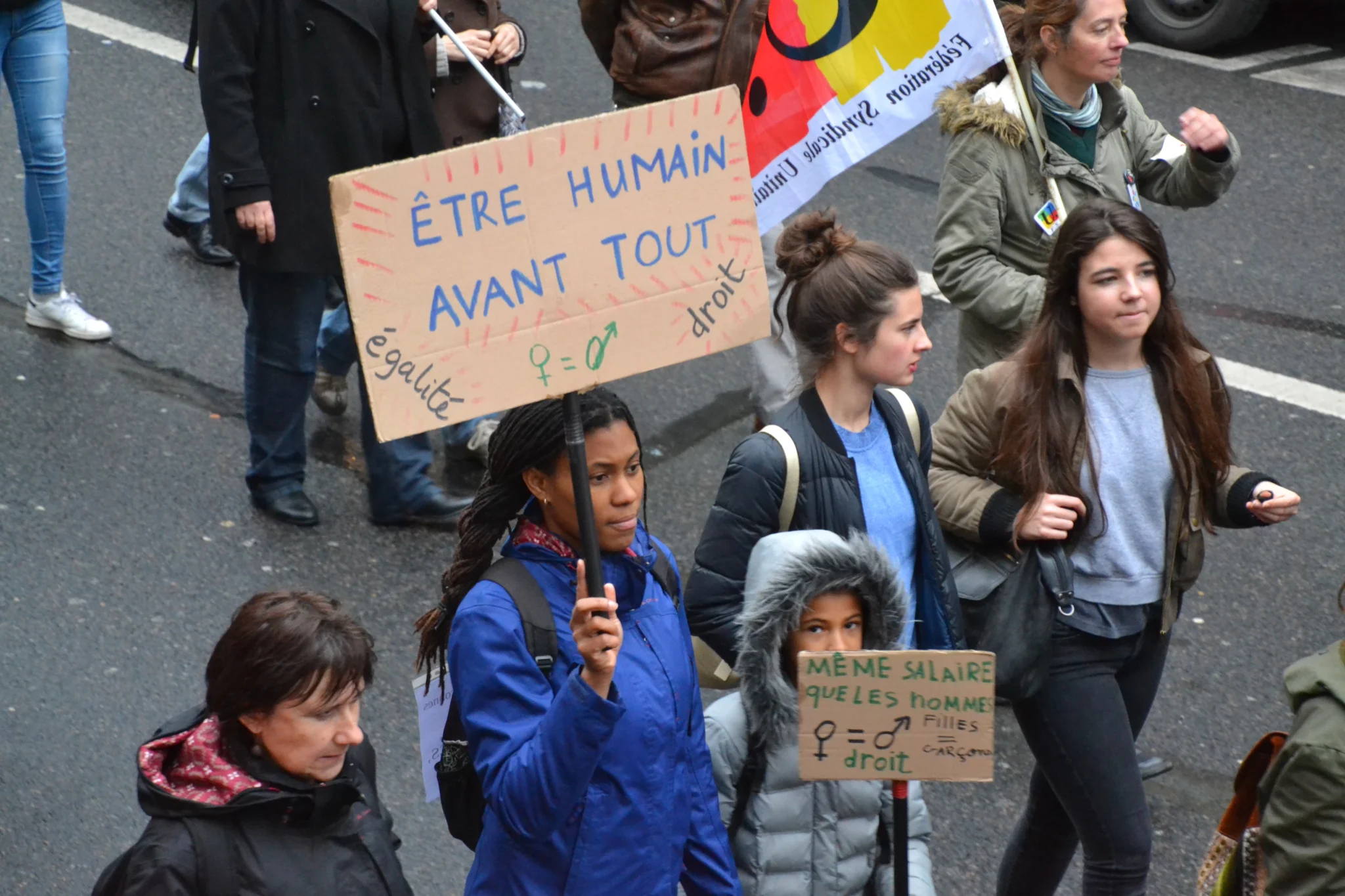
It all began in a handful of secondary schools on the outskirts of Paris. Students complained about overcrowded classrooms with more than 35 pupils, absent teachers with no replacements, and deteriorating school buildings. In response, they blocked school entrances with rubbish bins, reviving a long-standing French protest tradition known as “le blocus” (school blockades).
Within two weeks, the movement had spread. According to the secondary school students’ union, around 400 of France’s 3,700 secondary schools were shut down. Universities soon joined the protests, and the movement crossed the border into the Belgian city of Liège.
On 6 October, organisers said that 450,000 people had taken to the streets across France, including teachers, parents, and trade unionists. The cost, however, was high.
The Interior Ministry announced that 6,100 people had been arrested, most of them under the age of 18. A total of 215 teenagers and 715 police officers were injured. Prime Minister Sébastien Lecornu convened an emergency meeting, while Amnesty International called for an end to what it described as disproportionate repression.
A Republic Born of Revolution — and a Kingdom That Fears It

believes the answer begins with historical memory. “France is a republic born of revolution, so revolution holds a place of honour and prestige in the French national memory. In monarchies such as Britain, however, revolution is seen as opposition to the system of government,” he says.
Altikriti sums up the difference in a single sentence: “In France, the instinct is to take to the streets in opposition to the existing system; in Britain, the instinct is to take to the streets in support of it.”
Writer and researcher Jalal Al-Warghi Al-Sulaimani traces the roots of this divide even further back, to 1789. At the time, Britain’s elites viewed the French Revolution with concern, seeing it as “a sign of chaos, violence and destruction”. Since then, he argues, Britain has developed “a reformist conservative spirit”, while France has retained “a revolutionary spirit”, moving from one constitution to another until it reached its Fifth Republic.
This historical memory is not merely a matter of textbook history; it shapes everyday behaviour. Altikriti observes that British people living in France often complain about the frequency of strikes, having grown accustomed to a system at home in which industrial action follows “a bureaucratic process, involving many stages and lengthy advance notice”.
In France, by contrast, “you can wake up one morning and discover that railway workers are on strike”.
As a result, turning public anger into street protests is “an easy matter in France, because people are already prepared to take to the streets”.
Experience also plays a role. French protesters have secured significant victories, including the withdrawal of a proposed university reform in 1986 and the abandonment of the First Employment Contract (CPE) in 2006.
By contrast, the last major student mobilisation in Britain, against tuition fee increases in 2010, ended with fees being tripled. In this way, one generation of French students learned that taking to the streets can bring victories, while a generation of British students learned that protest can end in defeat.
A Generation Organising Through Its Phones
Yet historical memory alone cannot create a movement. At Hasnaa’s university, the protests began “spontaneously, from the grassroots”, in solidarity with secondary school pupils. Doctoral students and academics subsequently joined the movement.
She emphasises that it was “not organised under the banner of any trade union or political party”, and that decisions are made at general assemblies through a show of hands.
Students communicate through the encrypted messaging app Signal, with group invitation links shared only with people they trust. In a building they have set aside within the faculty, they make placards and learn about their rights in the event of detention, as well as basic first aid.
The real driving force, Hasnaa says, is social media: “Without it, this movement would never have existed in the first place.”
Social media has fostered a shared culture shaped by TikTok trends, rap music and memes, bringing together young people from affluent neighbourhoods and marginalised suburbs as part of the same generation.
“Generation Z is breaking down social barriers,” she adds.
This is what makes the current movement distinctive: it combines France’s long-standing traditions of protest with the tools of a digitally connected generation that can mobilise and ignite rapidly.
In Britain, Qualifications Come First
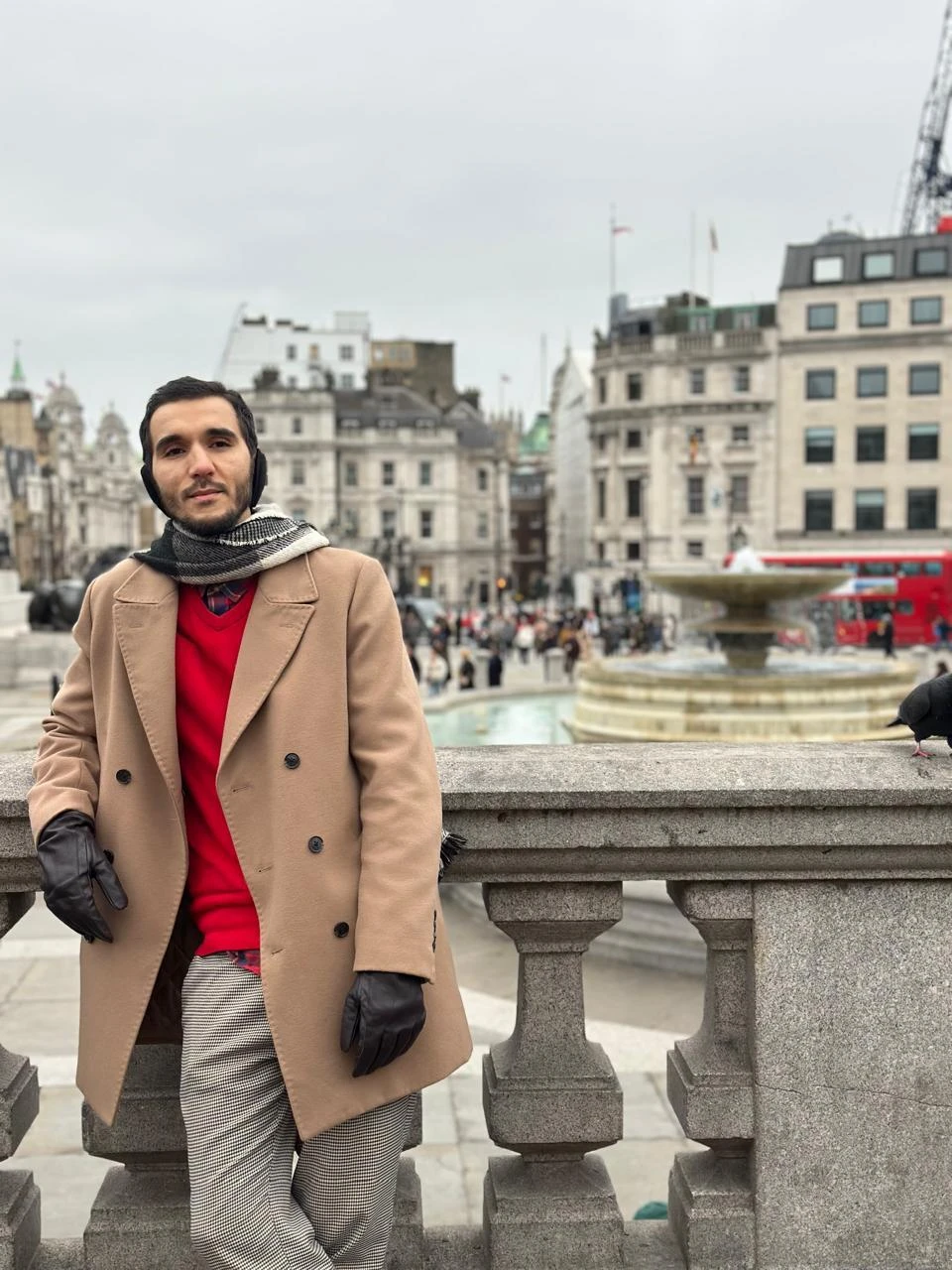
On the British side of the Channel, the calculations look entirely different. Yasser Abadi, a Moroccan-born postgraduate student studying for a master’s degree in political science and a student activist, starts with the financial burden. “University education in France is virtually free, whereas in England, young people have to pay for their studies.”
In his view, however, the biggest obstacle is the visa system. A significant proportion of university students come from abroad, and they are not permitted to work more than 20 hours a week. “Many students are afraid of running into problems that could lead to their deportation or expulsion, after all the effort and money they have invested to get here,” he says. This is a fear familiar to many students from India, Nigeria and developing countries.
Even when major issues are raised on campus, something else remains the priority. “You find many students focused on their career prospects. Their main concern is getting their degree and then finding a job,” Abadi says.
Jalal Al-Warghi traces this behaviour back to the 1980s, when Prime Minister Margaret Thatcher took on the trade unions and, as the saying goes, “broke them for good”. Since the student movement is “part of a broader trade union movement”, it paid the same price. The result, he argues, is a culture centred on “the individual and the market economy”, rather than collective action.
Al-Warghi also points to a difference in the way the state itself responds. The French system is “confrontational”, responding to protests with force and thereby fuelling further unrest. Britain, by contrast, relies on “containment rather than confrontation”, absorbing public anger before it grows.
Palestine: Present in the Streets, but Not Responsible for the Vandalism

Yet British students are not as silent as they may appear. Dr Yahya Abu Saydo, a founding member of the Association for Student Activism for Palestine (ASAP), says: “The impression is that there is no mass student movement, but that is not true.” He points to weekly meetings and ongoing activism across universities, as well as peaceful campaigns that have achieved results, including preventing a student at King’s College London from being expelled and deported.
The British movement has a clear focus: Palestine. Abu Saydo identifies its primary demand as universities divesting from Israeli arms companies, followed by banks and other companies that invest in them. He is more pessimistic, however, about the prospects of protests over the cost of living. “Everyone is struggling with the cost of living, yet they will not rise up. They will never rise up.”
Palestine is also present on the streets of France.
Altikriti observes that a “very large section” of protesters wear the keffiyeh and carry the Palestinian flag, and that Palestine has become “a symbol of liberation and the demand for rights and freedoms”.
However, Altikriti draws a clear distinction between this solidarity and acts of arson and looting. He says he has watched several videos of vandalism and that Palestinian symbols “were not present in them”, whereas they were “very prominent” at peaceful marches and on speakers’ platforms. He warns against attempts to associate vandalism with Palestine solidarity activists, recalling incidents in Britain in which, he says, “people were planted in our demonstrations and carried out unlawful acts, which the media deliberately filmed”.
Al-Warghi agrees that vandalism is “condemnable under all circumstances”, adding: “There is no justification for attacking public or private property.” Palestine therefore remains a matter of conscience upheld by peaceful protesters, not a pretext for those who exploit the disorder on its fringes.
The Paradox of Repression: The Harder the Crackdown, the Larger the Crowd
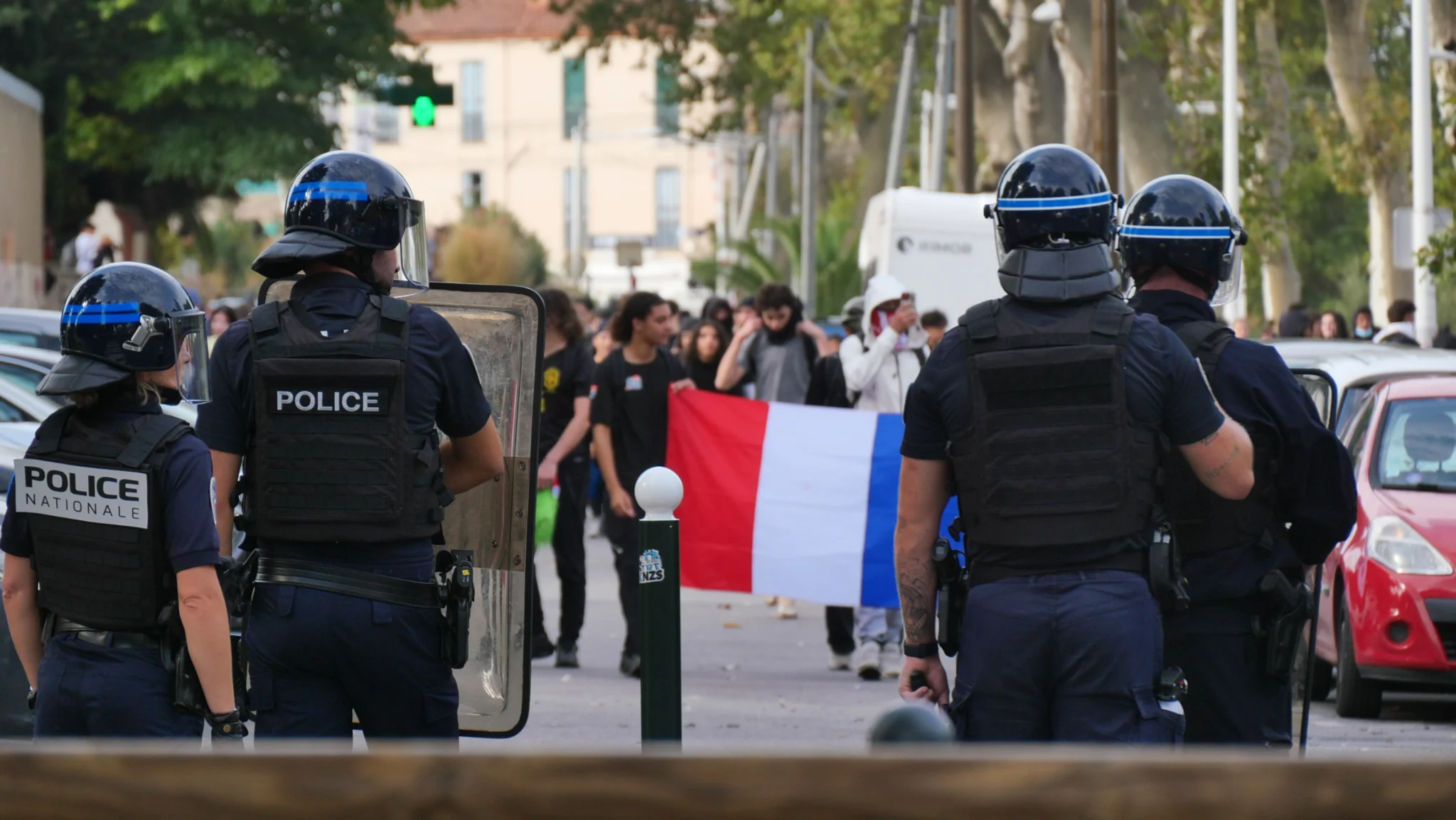
Tightening protest laws in Britain may seem like an easy explanation for the relative calm among its students. Altikriti, however, rejects this explanation as the sole answer. “Repressive measures in France are harsher, and the penalties are just as severe, if not more so,” he says.
In fact, repression in France has had the opposite effect. “The police are violent and repressive, and that has pushed me even more to take action,” Hasnaa says. She is not alone. Many teachers and parents have said that seeing the police outside schools was what prompted them to take to the streets.
Altikriti warns that police violence could push a small minority of protesters, “even if they make up just five per cent”, towards extremism. Nevertheless, he describes the French government as “pragmatic” and rules out its crossing the red line, arguing that the state ultimately needs students to return to their classrooms.
Al-Warghi, meanwhile, believes the solution will not come through security measures. “Young people in France are looking for a future and for hope, and they find neither in the state’s rhetoric nor in its policies,” he says. He links some of the anger to the crisis in the suburbs, where many young people from immigrant backgrounds feel “marginalised and that they do not belong”, under a French model that demands “integration in the sense of dissolving one’s identity”.
Hasnaa experiences this sense of exclusion first-hand. When asked whether she faces additional risks as a student of Arab origin, she replies: “Of course.” She explains that her white classmates take positions at the front of acts of civil disobedience “because they know the security forces will treat them more leniently, unlike those of us with Arab and Black features”.
Will the Protests Spread Across the English Channel?

The protests have reached Belgium, and Al-Warghi says they have also spread to Italy and Albania, countries that “have protest traditions similar to those of France”. However, the prospect of the movement crossing the English Channel appears remote to the guests.
Altikriti says this is “possible, but unlikely at this stage”. He nevertheless outlines a scenario that could change the equation: if the French government tightens security ahead of the elections in an attempt to win right-wing votes, and security forces go too far, “we may see the movement spread to other countries, and Britain could be one of them”, particularly since Palestine is a common cause among young people in both countries.
Al-Warghi points to an additional political obstacle: the Labour Party, “the party of the trade unions”, is now in government in Britain, making de-escalation “its strategic choice”. Had Labour been in opposition, he suggests, it might have used the scenes in France as a means of putting pressure on a Conservative government.
A Citizen Making Demands — and a Customer Counting the Cost
The guests’ accounts do not reveal students who are braver in France and weaker in Britain, but rather two different environments. In France, a student is a citizen demanding public services from the state, drawing on a collective memory of victories and living in a society that accepts strikes. In Britain, a student is closer to a customer calculating tuition fees, working hours and visa conditions, in a country that prefers containment to confrontation. The student movement finds its greatest outlet only when major matters of conscience are at stake.
Will the French Movement Secure Gains This Time?
Altikriti sees protests as following “the cycle of life”: they begin slowly, gather momentum, reach their peak and then fade. He believes “we are approaching the peak, if we have not already reached it”.
Hasnaa, however, is not expecting an immediate result. “I do not take action because I am certain of the outcome; I do so because it is my duty as a citizen,” she says. She adds: “History shows that all our social gains have been preceded by movements and uprisings.”
If history is on her side, then London’s relative calm today may be no more than a pause in the story, rather than its end.
ShortURL ⬇