

“Arab Voice” Forms Coordinating Team Ahead of May Elections

“Arab Voice” Forms Coordinating Team Ahead of May Elections
The Arab Voice Campaign has announced the formation of a new coordinating team as part of preparations for Britain’s upcoming local elections in May, in a move aimed at increasing Arab and Muslim political engagement and translating voting strength into organised electoral influence.
The expanded strategy meeting, held on 19 April 2026, brought together a number of community organisers and political figures to discuss priorities for the next phase of mobilisation.
New coordinating group unveiled

Following the meeting, organisers confirmed the creation of a coordinating team comprising:
• Ahmed Al-Bakri
• Anas Altikriti
• Ashraf Al-Taher
• Adnan Hmaidan
• Omar Mofeed
• Mohammed Al-Qudoumi
• Lana Al-Sumaidaie
Organisers said the group will focus on election strategy, voter mobilisation and coordinated campaigning ahead of polling day.
Turning votes into political influence
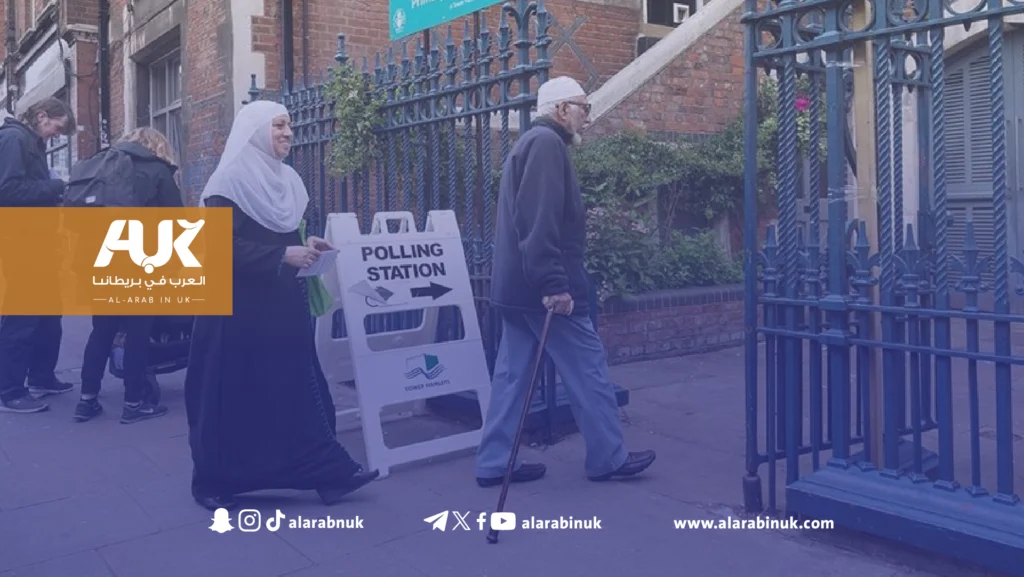
Discussions during the meeting centred on how to convert growing electoral participation within Arab and Muslim communities into more effective political leverage.
Participants stressed the need for organised voter blocs capable of responding to the rise of the far right, while strengthening grassroots pressure within local constituencies.
The campaign also reviewed the Palestine Votes 2026 initiative, which seeks to encourage candidates to make clear commitments on human rights and foreign policy issues important to many voters.
Priorities identified by organisers
According to participants, the meeting highlighted several key objectives:
• Better coordination of community voting blocs
• Collective responses to hate speech and Islamophobia
• Monitoring the growing presence of far-right movements in some towns and cities
• Using local elections as a platform for accountability over council performance and public services
• Expanding the use of postal voting and proxy voting to maximise turnout in closely contested wards
Organisers argued that local elections are often underestimated, despite their importance in shaping housing, education, local services and community relations.
Focus on unity in key constituencies
Participants also emphasised the need to avoid internal fragmentation or competing agendas in politically sensitive constituencies.
They called for consensus-based approaches that prioritise shared outcomes over factional interests, particularly in areas where relatively small vote margins could influence final results.
“A more organised political phase”
In a closing statement, the newly formed coordinating group said the coming weeks require a shift toward more structured institutional work designed to build a unified electoral position.
The group added that it hopes the 7 May elections will reflect principles of justice, equality and democratic accountability, ensuring elected officials are judged by their policies and performance.
Growing trend of community political mobilisation
The move reflects a broader trend in British politics in which minority communities are seeking to organise more strategically at the ballot box, particularly amid concerns over discrimination, foreign policy and representation.
With turnout often decisive in local contests, campaigners believe organised participation can turn previously overlooked voters into a meaningful political force.
Read More:
ShortURL ⬇