

What Is Different About Palestinian Prisoners’ Day This Time?
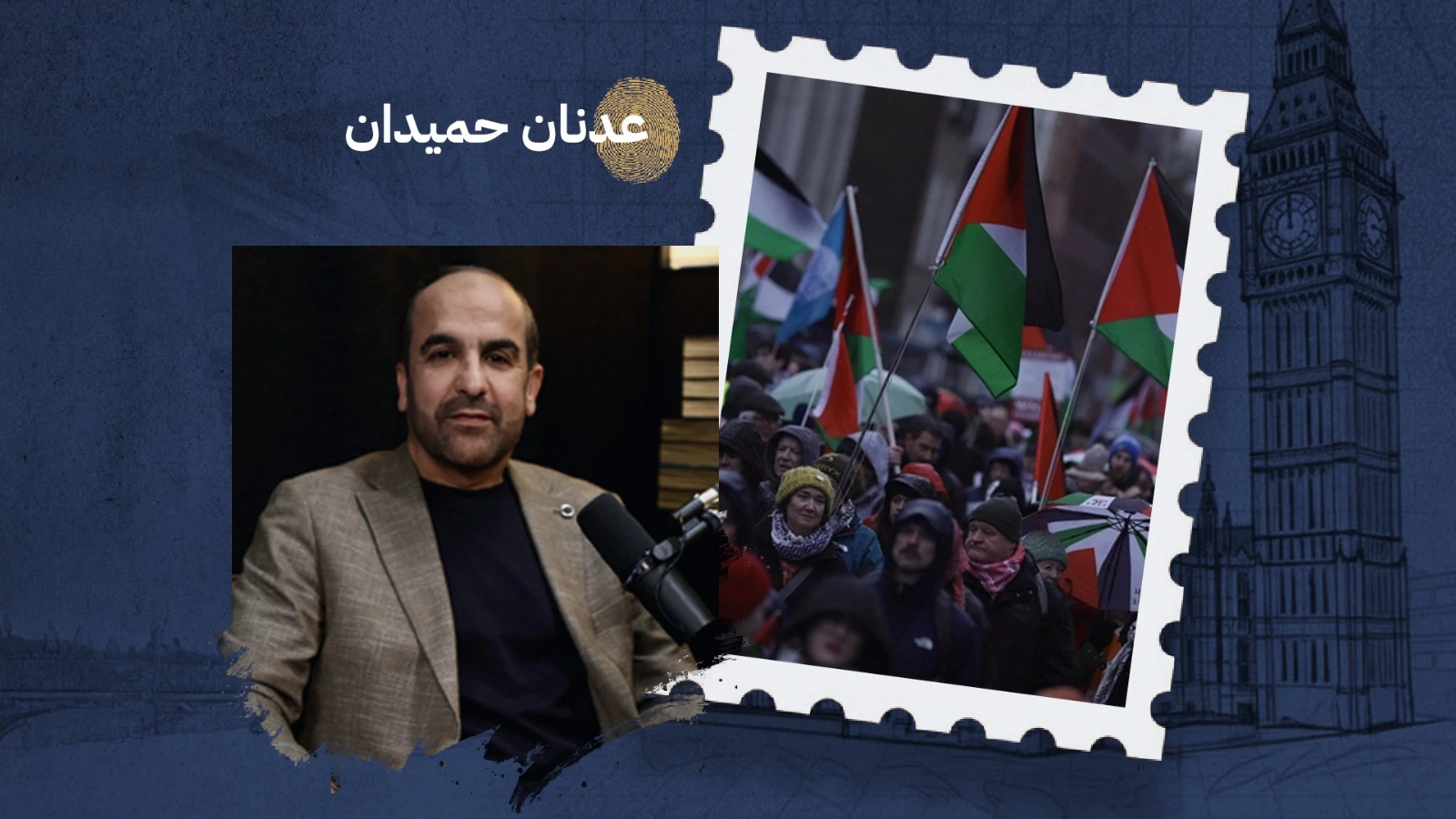
What Is Different About Palestinian Prisoners’ Day This Time?
Marking Palestinian Prisoners’ Day this year no longer feels like a routine entry on the solidarity calendar, nor a symbolic occasion for recycling familiar slogans. What is unfolding now is fundamentally different in substance, in method, and in impact. We are witnessing a qualitative shift: the issue is no longer merely being presented — it is being framed and communicated globally in ways that compel genuine engagement, casting Palestinian prisoners as hostages rather than mere inmates.
When we speak of the massive public momentum sweeping through capitals across the globe, we are not describing a passing emotional surge. We are witnessing a political shockwave triggered first and foremost by the recklessness of the occupation itself. Its blatant arrogance, its overtly racist laws endorsing the death penalty, and its transformation of prisons into black holes — where detainees and hostages are cut off from the world through restrictions on access for the Red Cross — have together awakened a global awareness that had nearly been extinguished.
From outrage to organised expression
Yet the real difference this time lies not only in the scale of the anger, but in how that anger is being expressed.
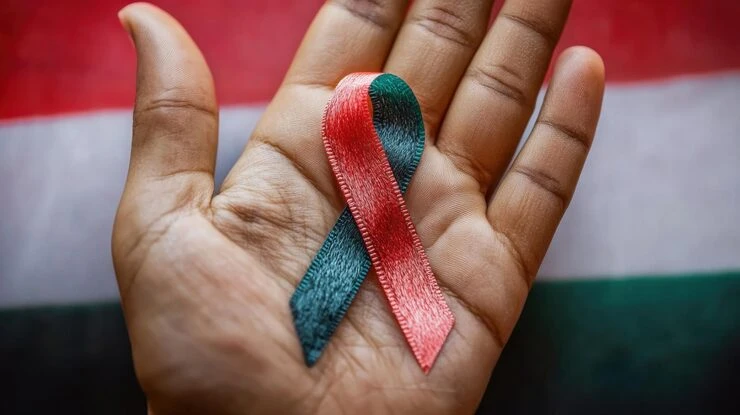
This is where the red ribbon campaign stands out as a model for a new phase of solidarity — a phase that understands the struggle is no longer waged only through speeches and statements, but through image, emotion, and participation.
The red ribbons are not merely symbols. They are powerful tools that redefine the relationship between supporter and cause. When someone pins a red ribbon to their chest or raises one in a public square, they are not simply signalling a political position. They are stepping into a visual and human experience that evokes the plight of a “hostage” or a person wrongfully detained.
That shift — from external sympathy to symbolic participation — is what gives the campaign its real force.
In the age of images, visibility matters

In the era of visual politics, it is no longer enough to say there are thousands of prisoners, and hostages. That reality must be seen.
This is where such campaigns matter most. They create a visual and emotional language that allows the issue to cross borders without lengthy explanations or complex translation. A single image of a child in London wearing a red ribbon, or a doctor in Manchester displaying one, can achieve what dozens of formal statements cannot.
That fusion of human feeling and visual clarity explains why this year’s events have moved beyond local activism to become part of a coordinated international wave. It is no longer solidarity with a distant cause — it has become engagement with a human experience that anyone can recognise.
Beyond the street: from protest to pressure
Alongside this, we see an important evolution in the movements themselves. There is growing recognition that the street alone is not enough, and that public anger must be translated into political and legal pressure.
The campaigns succeeding today are those that connect chants in public squares with questions in parliament, and viral images on social media with legal files placed before international institutions.
For that reason, Palestinian Prisoners’ Day is no longer simply a day of remembrance. It has become a tool in a broader struggle: to break the imposed isolation of Palestinian hostages held in Israeli concentration camps and prisons.
The occupation relies on time, on public fatigue, on the normalisation of suffering, and on fading attention. But once the issue becomes a continuous stream of living images, repeated symbols, and a sustained presence in public space, that strategy begins to crumble.
From sympathy to accountability
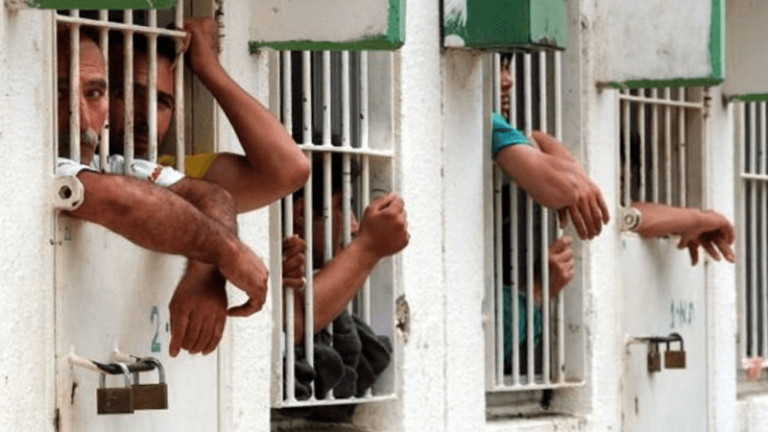
Insisting on clear demands — ending death penalty laws and reopening prisons to the International Committee of the Red Cross — moves these actions out of the realm of symbolism and into practical politics.
When politicians are embarrassed, institutions are questioned, and societies are morally confronted, the movement crosses a critical threshold: from asking for sympathy to demanding accountability.
A new relationship between Palestine and the world
What is happening now is not merely a rise in solidarity. It is a redefinition of solidarity itself.
We are witnessing a moment that is reshaping the relationship between the Palestinian cause and the wider world. Palestine is no longer presented merely as a story of suffering, but as a question of rights demanding its rightful place in law, politics, and public consciousness.
The real challenge ahead is to preserve this momentum and transform it from an emotional wave into a sustained path.
Because what is being built today — with these new tools and this more mature awareness — may ensure that Palestinian Prisoners’ Day becomes more than an annual commemoration; it may become a permanent starting point in the struggle to free Palestinian hostages and break chains of every kind.
Read more:
ShortURL ⬇