
London Panel Discusses Censorship of Palestine in UK Media and the Role of Independent Journalism
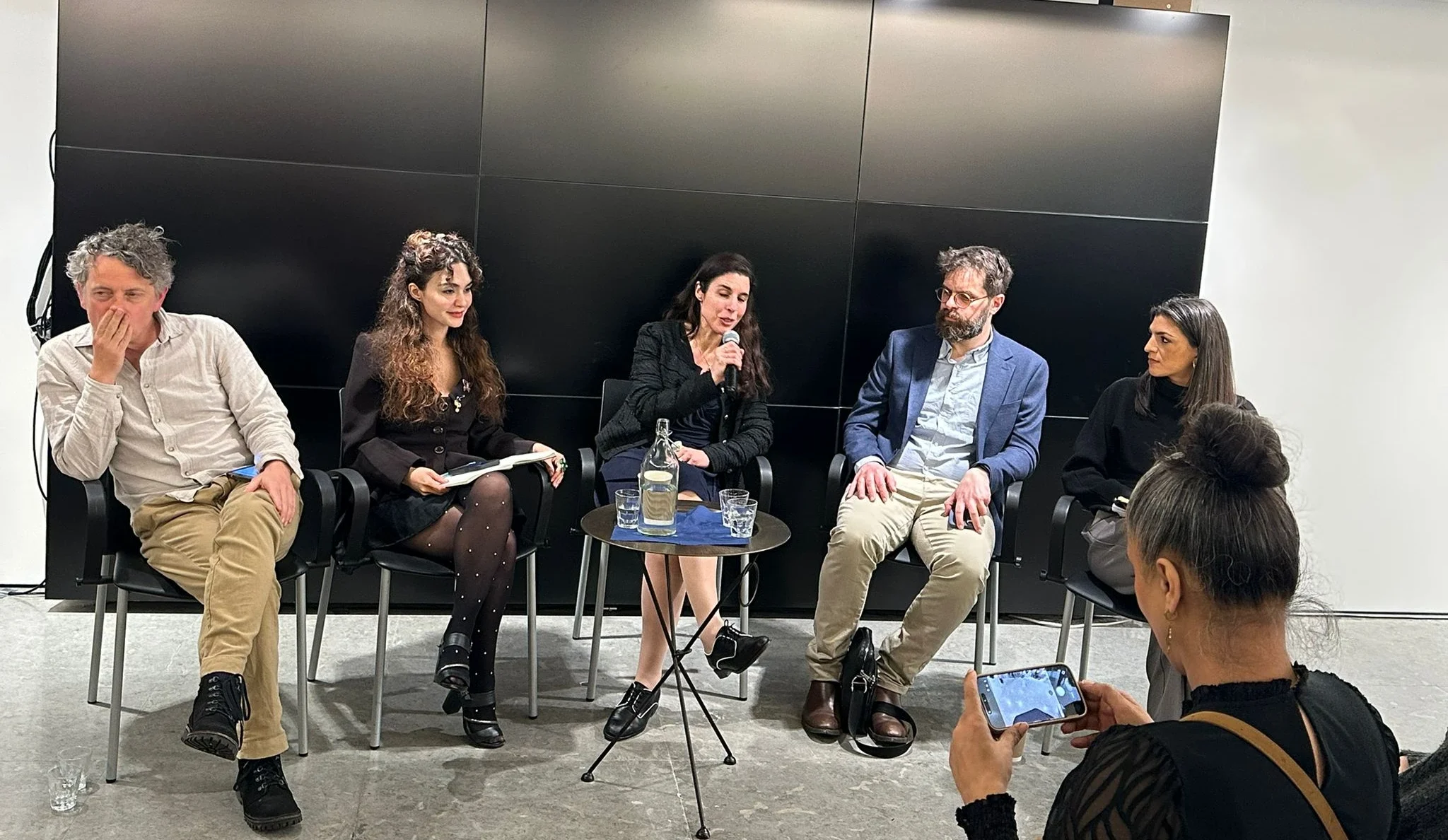
A panel discussion titled “Censorship of Palestine in UK Media” was held on Friday evening at P21 Gallery, hosted by the independent media outlet The Canary.
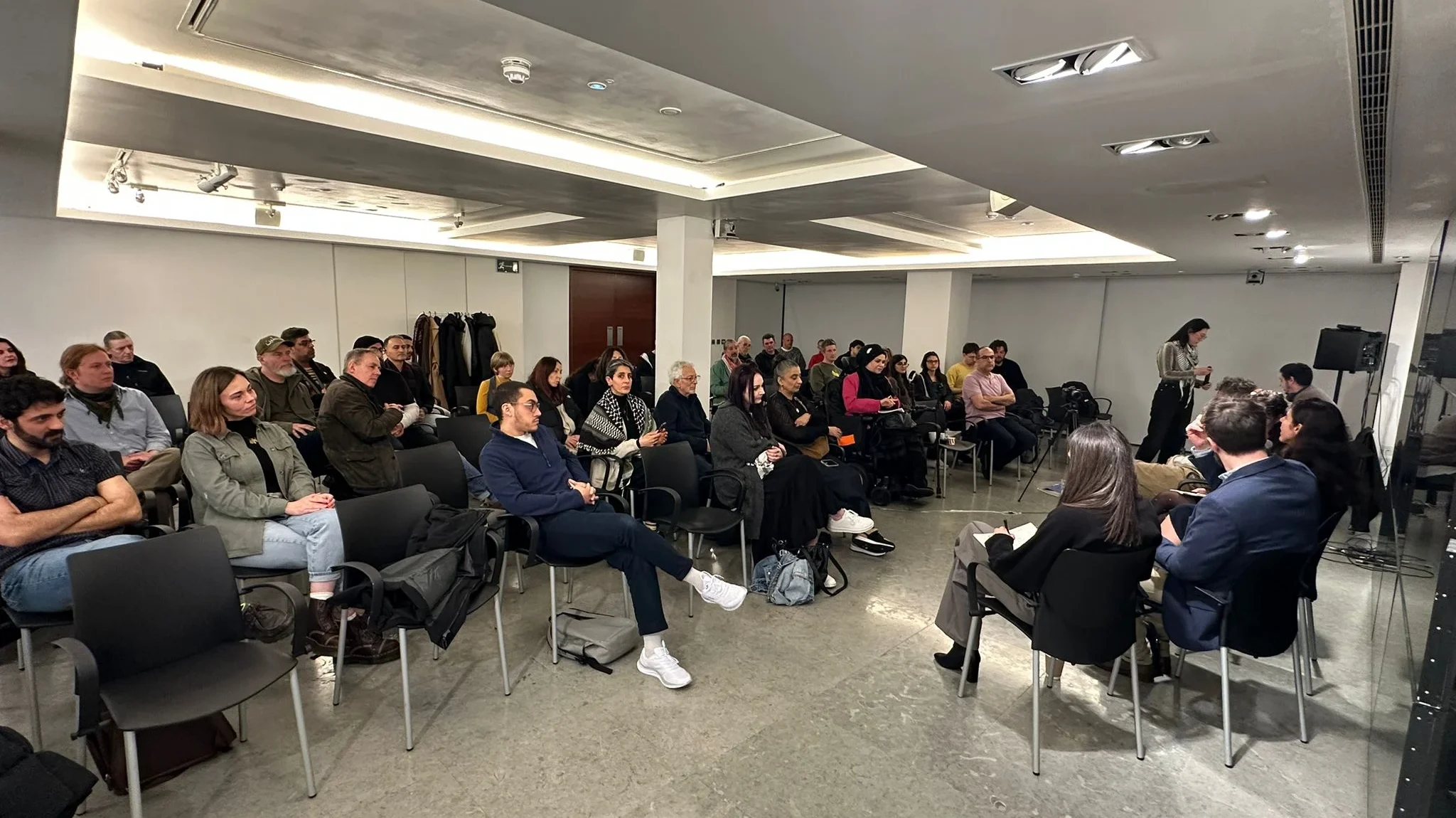
The event brought together journalists and editors from independent news organisations that focus on coverage of West Asia and the Arab world, particularly Palestine. The discussion was attended by around 30–40 participants, including journalists, researchers, and members of the public interested in media and international politics.
The panel featured:
- Joe Gill – Middle East Eye
- Karim Traboulsi – The New Arab
- Shadia Edwards-Dashti – TRT World
- Nazli Tarzi
- Moderated by Abella Kandalaft
Independent Media Challenging Dominant Narratives
Panelists discussed what they described as systemic censorship—both visible and subtle—in mainstream Western media coverage of Palestine. According to the speakers, such dynamics partly explain the emergence of independent media platforms seeking to provide alternative narratives and amplify voices often absent from mainstream reporting.
Several participants noted that outlets such as The New Arab and Middle East Eye emerged in response to perceived gaps and biases in Western coverage, particularly during and after the Gaza wars of the past decade.
Independent media, they argued, has become increasingly important for publishing stories, testimonies, and perspectives that may otherwise struggle to gain visibility in legacy media institutions.
Language, “Impartiality,” and Journalistic Responsibility
A central theme of the discussion was the language used in reporting on Palestine.
Some panelists argued that the concept of “impartiality,” frequently invoked in mainstream journalism, can sometimes discourage the use of legally or politically precise terminology.
Participants noted that some independent outlets have increasingly used direct terms such as “genocide” to describe events in Gaza, arguing that accurate legal language can be part of responsible journalism.
It was also highlighted that reporting by journalists working in Gaza has been referenced as evidence in the case brought by South Africa before the International Court of Justice, illustrating the growing influence of independent reporting.
Regulatory Pressures and Digital Platform Restrictions

The panel also explored the regulatory and technological challenges faced by independent media outlets.
Speakers described instances where digital advertising campaigns related to Gaza coverage were rejected by online platforms, as well as cases where algorithmic restrictions appeared to limit the reach of Palestine-related content.
The discussion also touched on the issue of self-censorship, which some journalists may adopt due to legal concerns or professional pressure within larger media organisations.
Audience Trust and Shifting Media Consumption
Another topic raised during the discussion was the relationship between media credibility and audience trust.
Panelists argued that audiences increasingly compare mainstream media narratives with real-time content circulating on social media, which has affected public perceptions of media reliability.
Independent outlets, they suggested, can play a crucial role in identifying blind spots in reporting and bringing overlooked issues into public discussion.
Continuing Debate on Media Coverage
The panel concluded that debates about the representation of Palestine in British media remain ongoing.
Speakers emphasized that independent journalism continues to play an important role in broadening the media landscape and encouraging more diverse perspectives in public discourse on international conflicts.
Read more:
ShortURL ⬇