
The Arab Tsunami at World Cup 2026: A Comprehensive Technical Analysis of Opportunities and Major Clashes
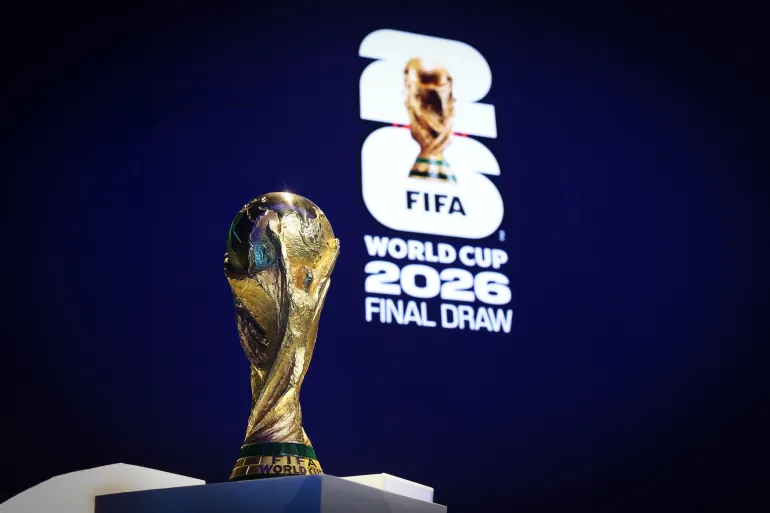
Arabs in the UK and across the globe are bracing for an extraordinary experience in the summer of 2026; the international football landscape has shifted irrevocably. Eight Arab flags will fly in the skies of North America, marking a moment that transcends mere sporting participation to become a grand showcase of identity and technical evolution. Arab national teams are no longer “making up the numbers”; they have become formidable contenders that the world’s footballing giants now take very seriously.
1. Group Analysis and Technical Standing
Morocco (Group C)
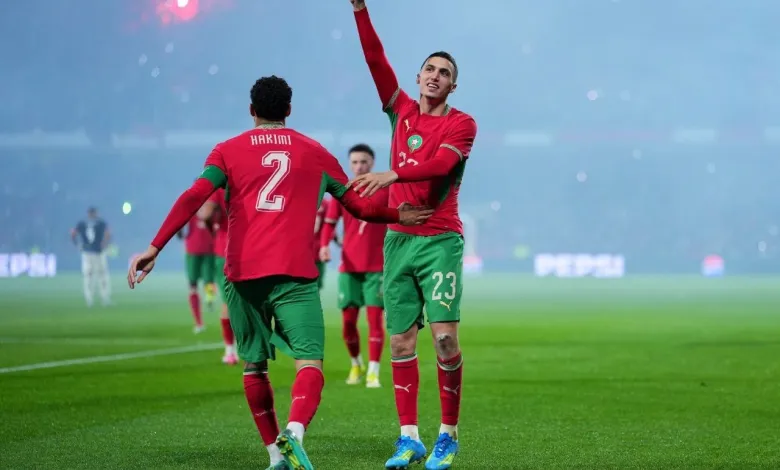
The “Atlas Lions” enter the tournament as perennial favorites to advance beyond the opening rounds. Following their historic 2022 achievement, the Moroccan squad now possesses “elite DNA.” While facing Brazil is a true litmus test, their tactical stability and a roster of world-class stars playing at the highest European levels make them equal contenders with the Seleção for the top spot.
Algeria (Group J)
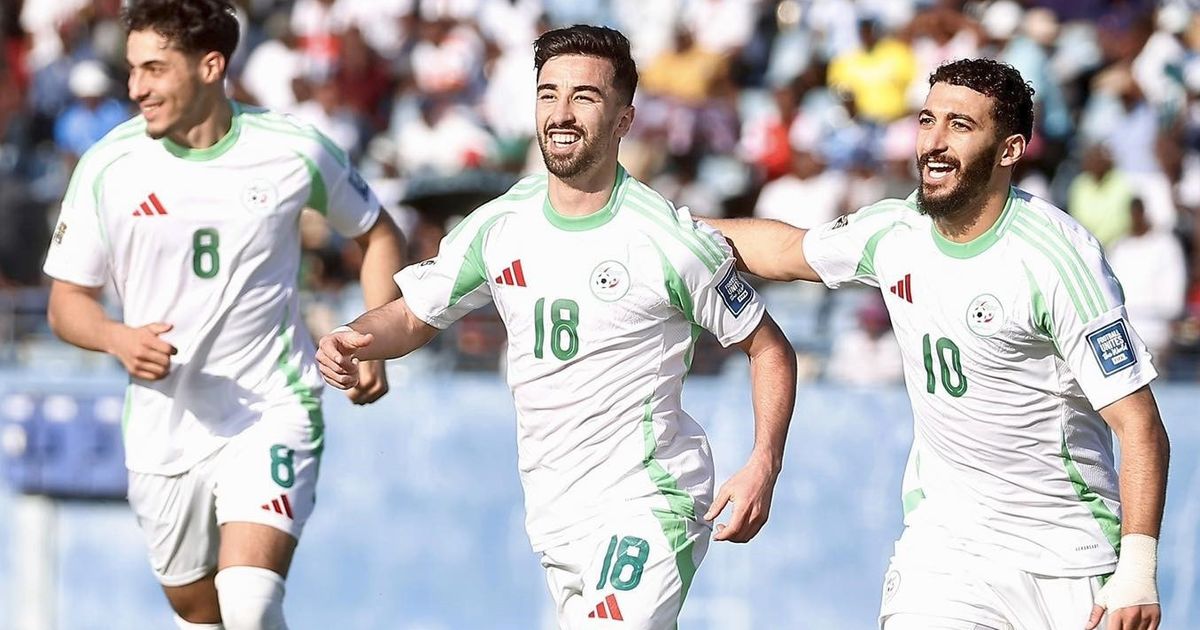
The “Desert Warriors” have reclaimed their lost spark through a system built on high pressing and rapid transitions. Boasting one of the strongest attacking lines in the Arab world, Algeria’s ability to unsettle Argentina in the group stages will hinge on their significantly improved defensive discipline.
Egypt (Group G)
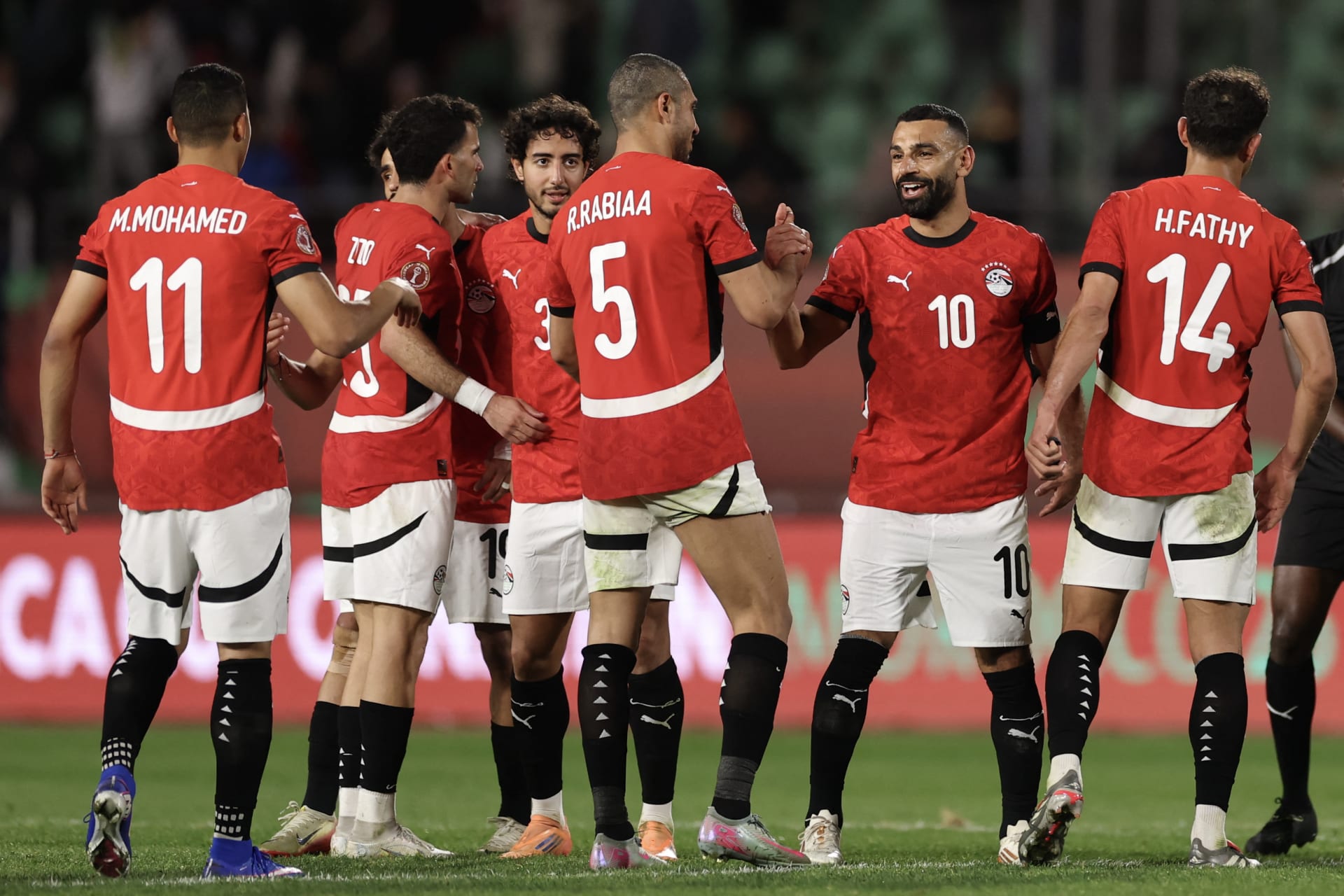
With a generation blending veteran experience and youthful energy, the Pharaohs aim to break their group-stage curse. The group featuring Belgium and Iran appears balanced; Belgium is no longer the invincible force of old, and Iran is a familiar regional rival, opening the door wide for Mohamed Salah and his teammates to go deep into the tournament.
Tunisia (Group F)
&cropxunits=450&cropyunits=254&w=770)
The “Eagles of Carthage” represent the school of footballing realism. Although placed in a complex group alongside the Netherlands and Japan, Tunisia historically excels against tactically organized teams. Their progress relies entirely on the outcomes of “bone-crushing” encounters against Japan and Sweden.
Saudi Arabia (Group H)
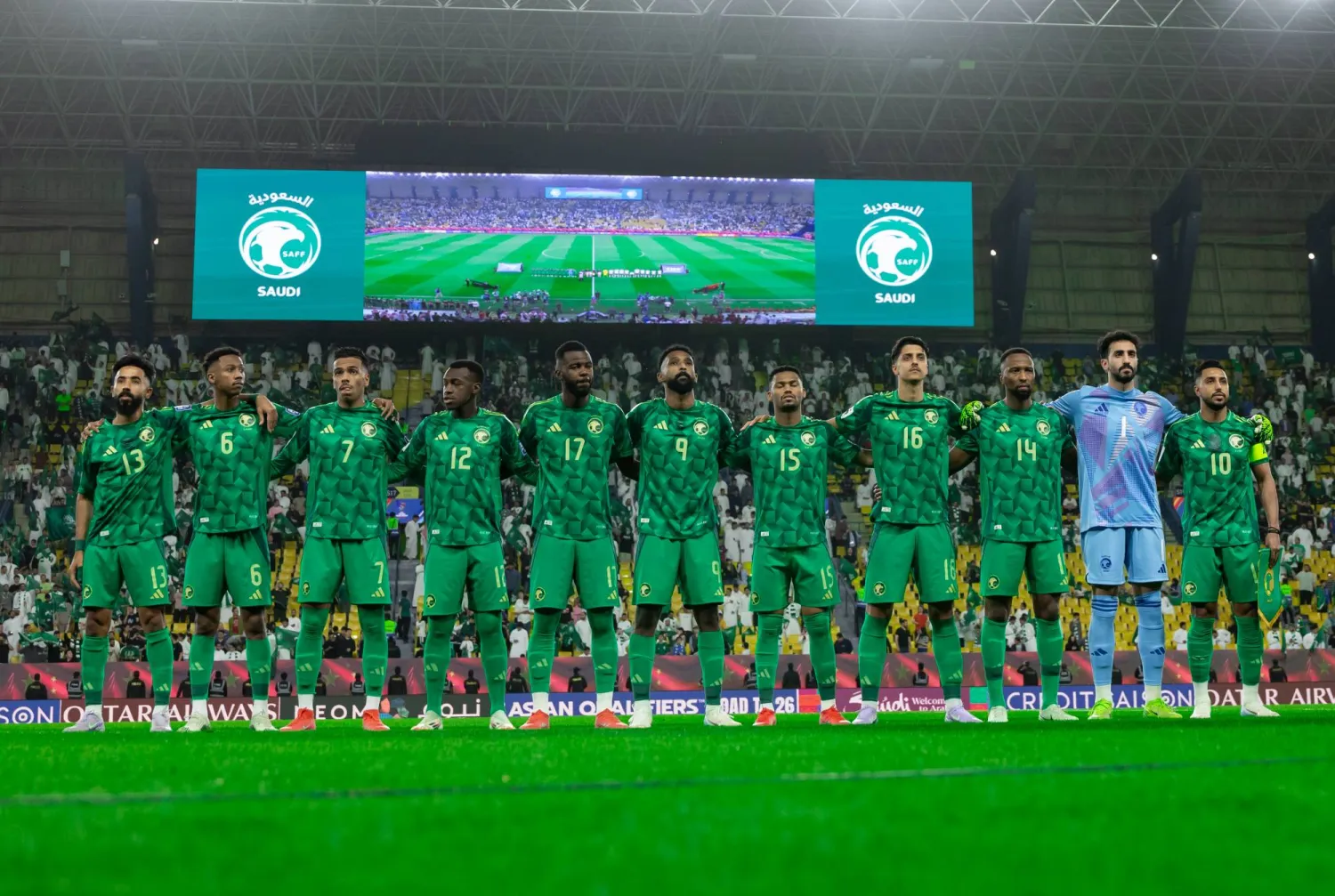
The “Green Falcons” have developed a highly confident persona, bolstered by their players’ daily friction with global icons in the Saudi Pro League. Their clash with Spain will be a battle for possession, and Saudi hopes of qualifying as group runners-up remain highly logical given their current form.
Qatar (Group B)
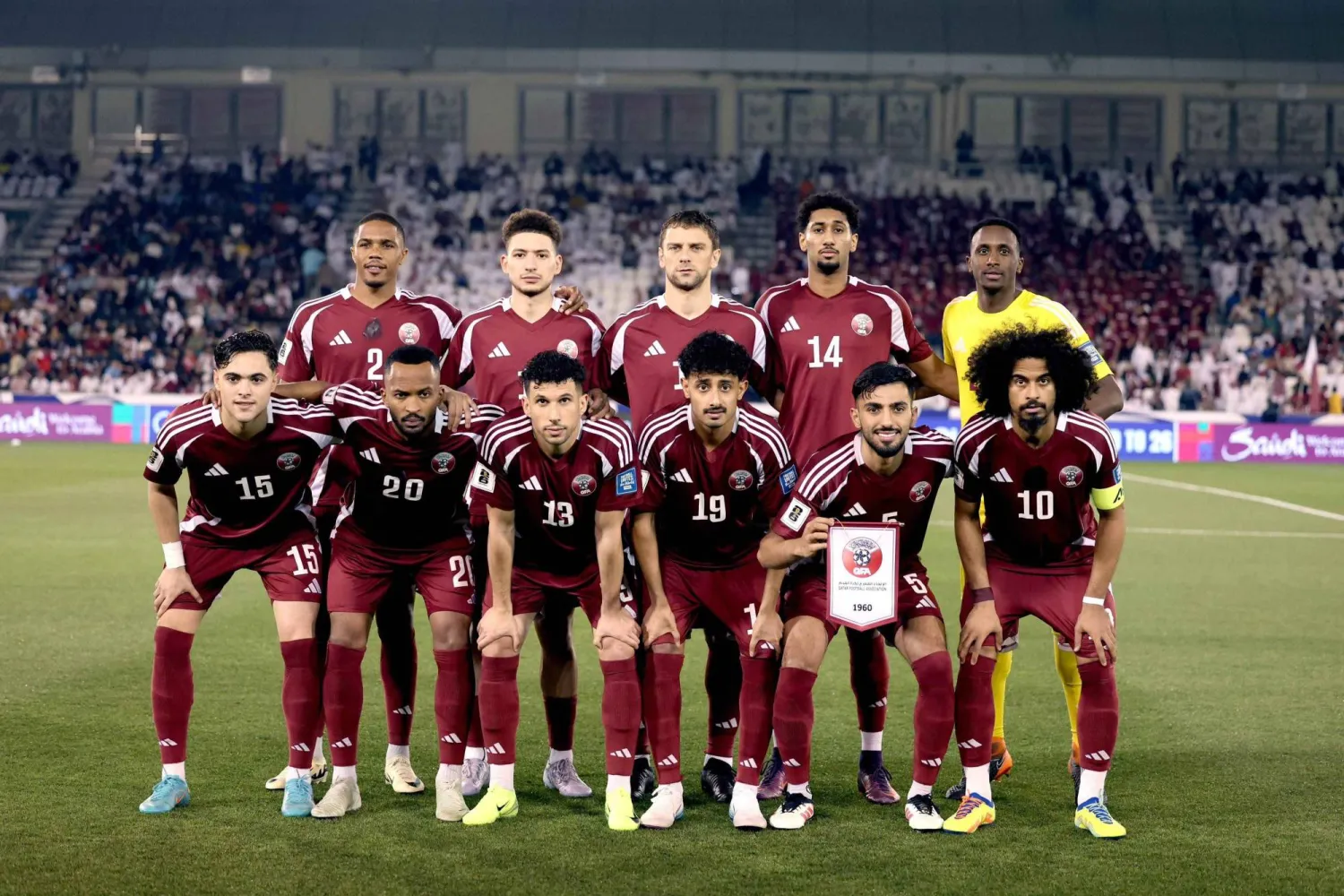
“Al-Annabi” enters this edition free from the immense pressure of being the host nation, which may work in their favor. The group including Canada and Switzerland is technically “well-matched,” and Qatar holds the advantage of long-term squad cohesion, making them strong candidates to clinch a qualification spot.
Iraq (Group I)
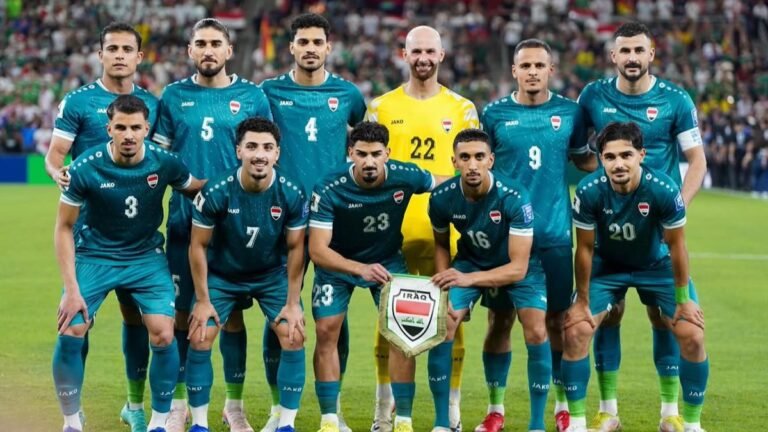
Iraq’s return to the World Cup carries deep emotional and technical significance. The “Lions of Mesopotamia” find themselves in a “Group of Death” alongside France and Senegal. While the mission is daunting, the Iraqi fighting spirit often thrives in major arenas, with the goal being to present a performance worthy of Iraq’s storied footballing heritage.
Jordan (Group J)

The “Al-Nashama” are the delight of the Asian continent. Their presence alongside Algeria and Argentina places them under the global spotlight. Relying on a solid collective system and lethal counter-attacks, Jordan’s primary objective will be to secure points against Austria and Algeria to facilitate a historic passage.
2. Comparisons with the “Three Lions” and Global Powers
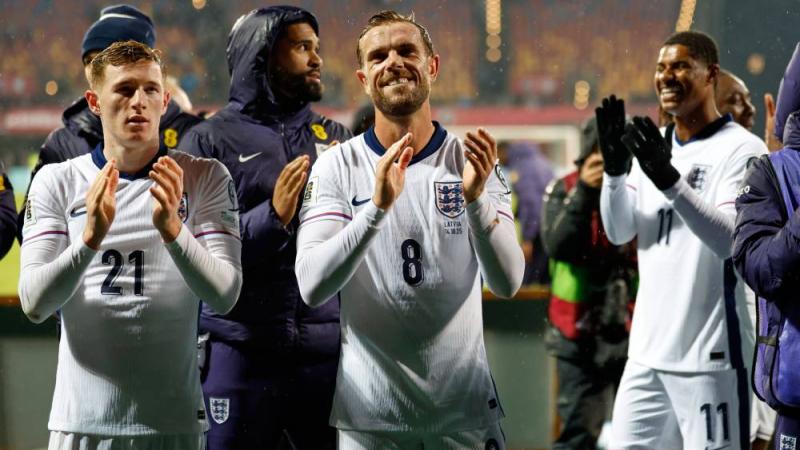
For football fans among the Arab community in the UK, the English national team remains the ultimate benchmark for progress.
Tactical Depth: England benefits from one of the world’s best developmental systems, providing an abundance of talent like Bellingham, Saka, and Foden. Conversely, Morocco and Algeria are the closest to this model due to their reliance on European academies, while Saudi Arabia and Qatar utilize “collective synergy” as an alternative to global individual brilliance.
The Pressure Factor: England always enters as a “title favorite,” a burden that often paralyzes them in knockout stages. Arab teams, despite their growth, play with less pressure, allowing for tactical adventurousness—much like the spirit seen in Saudi Arabia’s famous victory over Argentina.
Direct Confrontation: Technically, the gap between Arab and European giants (like England and France) is narrowing in the midfield. However, global powers still hold the edge in “clinical finishing” and physical pace during the final minutes of a match.
3. Final Outlook
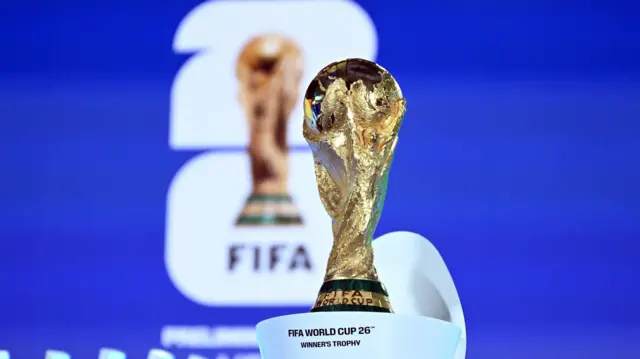
World Cup 2026 is expected to be the “Second Arab Breakthrough” into the knockout phases. Forecasts suggest that 3 to 4 Arab teams have the genuine capacity to advance (with Morocco, Egypt, Saudi Arabia, and Algeria as the strongest candidates).
For the Arab audience in the UK, this tournament is more than just a series of matches; it is a platform for sporting pride in a society that lives and breathes football. Watching Salah face De Bruyne, or Hakimi challenge Vinícius Júnior, reflects a new reality: Arabs are no longer just guests—they are the ones making the headlines.
According to expert opinion, we are witnessing an Arab generation that possesses a professional mindset and technical audacity. Despite the strength of global rivals, the tactical discipline displayed during the qualifiers suggests that major surprises await us on American soil.
Read more:
ShortURL ⬇