

The 12 Most Important Things You Need to Know About the Jobcentre in Britain

For many newcomers to the UK, understanding how the Jobcentre works is essential. Whether you are unemployed, on a low income, or have recently been granted refugee status, the Jobcentre can play a significant role in your finances, job search, and access to benefits.
Here are the 12 key facts everyone should know about the UK Jobcentre system.
1. The Jobcentre Is Part of the Department for Work and Pensions (DWP)
Jobcentre Plus operates under the Department for Work and Pensions (DWP), the government department responsible for welfare and employment support.
Its main responsibilities include:
- Supporting jobseekers
- Administering Universal Credit claims
- Conducting mandatory work-related interviews
- Applying benefit sanctions when claimants fail to meet requirements
2. Universal Credit Is the Main Financial Benefit in the UK
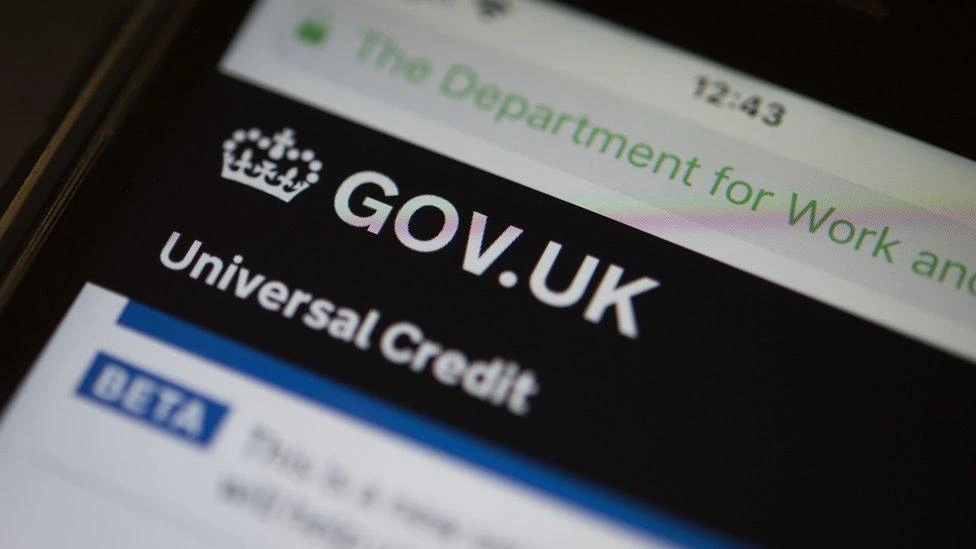
Universal Credit is the primary welfare payment available to:
- Unemployed people
- Low-income workers
- Some eligible refugees and migrants
Universal Credit Standard Monthly Allowances (2026/27)
| Category | Monthly Amount |
|---|---|
| Single person under 25 | £338.58 |
| Single person aged 25 or over | £424.90 |
| Couple, both under 25 | £528.34 |
| Couple, one or both aged 25+ | £666.97 |
Additional payments may be available for housing costs, children, disabilities, or caring responsibilities.
3. Refugees Must Act Quickly After Being Granted Status
Once a person receives Refugee Status:
- Asylum Support currently ends after 42 days.
- Refugees should immediately:
- Apply for Universal Credit
- Open a bank account
- Search for accommodation
- Register with the Jobcentre
Delays can lead to financial hardship, loss of income, or even homelessness.
4. Not Every Migrant Is Eligible for Benefits

UK welfare eligibility depends heavily on immigration status.
People who are often eligible include:
- Refugees
- Individuals granted Humanitarian Protection
- Holders of Indefinite Leave to Remain (ILR)
- Some people with Settled Status
Those who are often not eligible include:
- Many work visa holders
- International students
- Individuals subject to a “No Recourse to Public Funds” (NRPF) condition
5. The Claimant Commitment Is One of the Most Important Documents You Will Sign
When applying for Universal Credit, claimants are usually required to agree to a Claimant Commitment.
This document sets out:
- The number of jobs you must apply for
- The hours you are expected to spend job searching
- Attendance requirements for appointments
- Mandatory training activities
- Responsibilities for maintaining your online account
Failure to comply can result in a sanction and a reduction in benefit payments.
6. Sanctions Are Real and Can Have Serious Consequences
Common reasons for sanctions include:
- Missing a Jobcentre appointment
- Arriving late
- Ignoring official messages
- Failing to provide evidence of job-search activity
- Refusing jobs considered suitable by the DWP
Sanctions can lead to:
- Reduced benefit payments
- Temporary suspension of benefits
7. Your Work Coach Has Significant Influence

Every claimant is assigned a Work Coach.
A Work Coach can:
- Set work-related requirements
- Assess your activities and progress
- Recommend sanctions
- Provide support with training and employment opportunities
For this reason, claimants should:
- Keep evidence of all job-search activities
- Record important information in their online account
8. The Universal Credit Journal Is Legally Important
Every Universal Credit account includes an online Journal.
This is the primary official communication channel between claimants and the DWP.
Important information should always be recorded in the Journal, including:
- Explanations for missed activities
- Health issues
- Employment changes
- Official messages
- Supporting evidence
The Journal may be used as official evidence if a dispute arises.
9. Starting Work Does Not Automatically End Universal Credit
Many people mistakenly believe that finding work immediately stops Universal Credit payments.
In most cases, this is not true.
Under the current system:
- You may continue receiving Universal Credit while working.
- Payments are gradually reduced as earnings increase.
The system is designed to encourage employment, including part-time work.
10. Savings Can Affect Your Benefit Entitlement
If you have savings:
- Savings above £6,000 can reduce your Universal Credit award.
- Savings above £16,000 will usually make you ineligible for Universal Credit.
All savings and additional capital must be declared.
11. You Must Report Changes Immediately

Claimants are required to inform the DWP and the Jobcentre of significant changes, including:
- Starting a new job
- Changing address
- Marriage or divorce
- Immigration status changes
- Illness or health changes
- Changes to household composition
Failure to report relevant changes may be treated as benefit fraud.
Possible consequences include:
- Investigations
- Financial penalties
- Repayment of benefits
- Legal action
12. Jobcentre Decisions Can Be Challenged

Not every decision made by the Jobcentre or the DWP is final.
If you believe a decision is wrong, you can:
- Request a Mandatory Reconsideration
- Submit an Appeal to an independent tribunal if necessary
This is particularly important because administrative errors can and do occur.
Additional Universal Credit Elements for 2026
Some claimants may receive additional payments on top of the standard allowance.
| Circumstance | Monthly Amount |
|---|---|
| Severe health condition or substantial disability | £429.80 |
| Limited capability due to a less severe health condition | £217.26 |
| Carer Element | Approximately £209.34 |
Practical Advice for Claimants
One of the most important rules is simple: never ignore official communications.
Always pay attention to:
- Journal messages
- Jobcentre appointments
- Requests from your Work Coach
And always keep:
- Screenshots of important information
- Copies of written evidence and correspondence
The British welfare system relies heavily on official digital records, and proper documentation can be crucial if problems arise later.
Read more:
- Analysis: Who Speaks for Britain’s Working Class Now?
- Analysis: Is the British State Returning Through the Back Door?
- Why are travelers anticipating June 1? A new wave of rising airfares looms on the horizon
ShortURL ⬇