

Layla Moran Leads Parliamentary Push to Ban Trade with Illegal Settlements
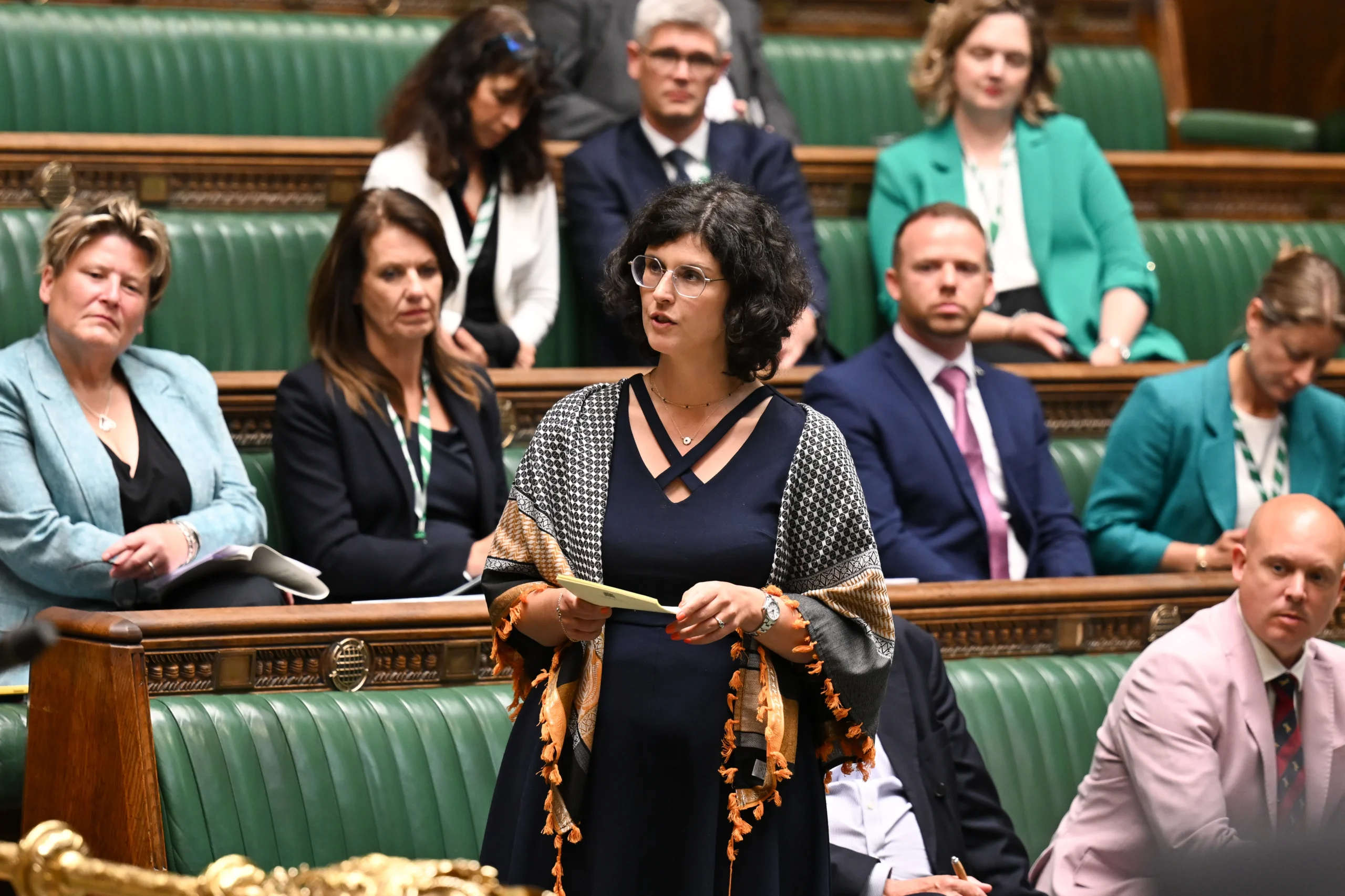
British MP Layla Moran has introduced a Private Member’s Bill in the House of Commons seeking to ban trade in goods and services between the UK and illegal Israeli settlements in the occupied Palestinian territories. The move represents a cross-party effort within the British Parliament to address the issue of settlement-related trade.
Broad Parliamentary Support
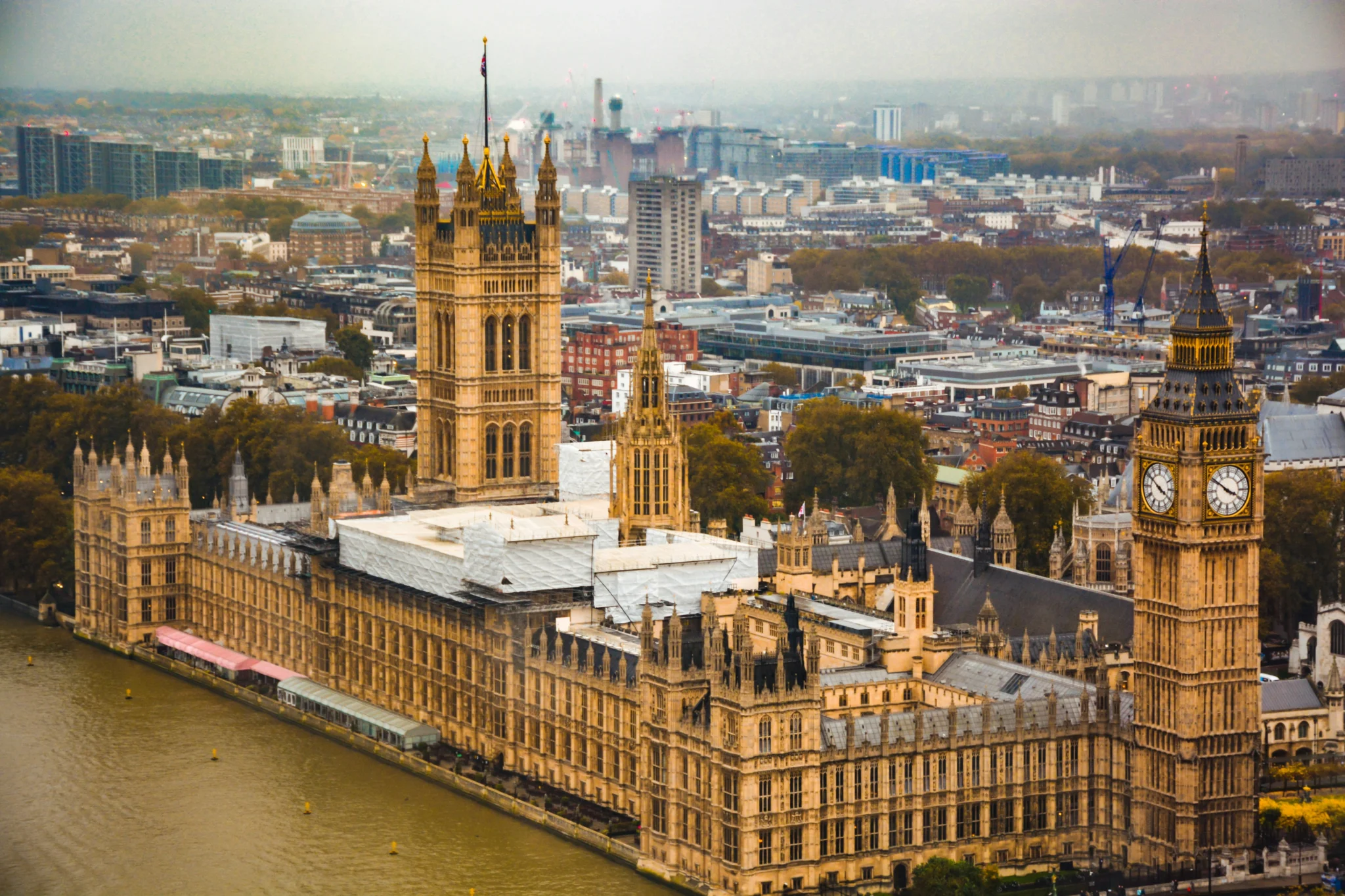
The proposed legislation has attracted support from MPs across several political parties. Its sponsors include Alex Sobel (Labour), Kit Malthouse (Conservative), Ellie Chowns (Green Party), and Calum Miller, the Liberal Democrats’ foreign affairs spokesperson.
The bill aims to move the UK’s position beyond advisory guidance and establish a clear legal prohibition on commercial dealings with illegal Israeli settlements.
Criticism of the Government and Controversial Land Sale Event in London
Earlier this month, Moran joined more than 100 MPs and members of the House of Lords in signing a joint letter criticizing the British government over issues related to the sale of land linked to illegal settlements.
The criticism followed an event in London known as the “Great Israeli Real Estate Event,” where land in the occupied West Bank was reportedly marketed and offered for sale to investors, including British citizens. The event sparked widespread criticism and was viewed by opponents as legally and politically controversial in the context of the ongoing situation in the occupied Palestinian territories.
Moran described the event as “a stain on British public opinion and international law.”
UN Reports Highlight Rise in Settler Violence
According to a United Nations report published in May 2026, more than 760 attacks by Israeli settlers against Palestinians were recorded since the beginning of the year, resulting in injuries and property damage at a rate of nearly six incidents per day.
The report also stated that approximately 2,000 people, including nearly 900 children, had been displaced due to these attacks and restrictions on movement and access.
Legal Gap in the UK’s Current Position
Although the British government advises companies and exporters against conducting business with illegal Israeli settlements, this guidance does not amount to a legal ban.
Supporters of the bill argue that existing legislation, including the Sanctions and Anti-Money Laundering Act 2018, could be used to impose an official prohibition. However, the government has not yet used these powers for that purpose.
Legislative Path Ahead
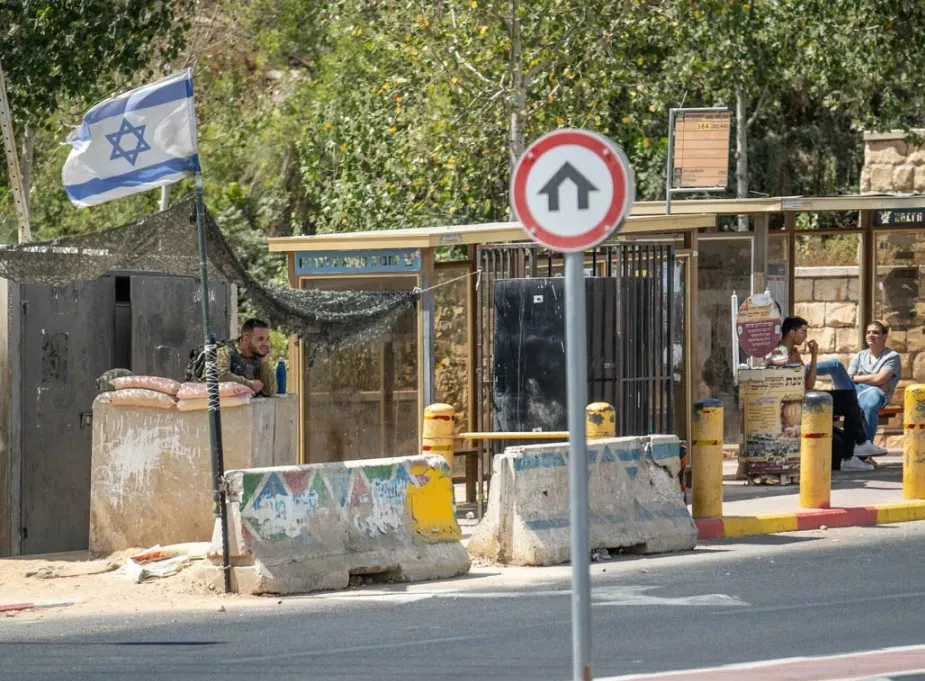
The “Prohibition of Trade with Illegal Settlements Bill” has now been formally introduced in the House of Commons. It is scheduled to receive its second reading on Friday, 19 March 2027, and is expected to generate significant political debate in the UK over the future of trade relations with settlements.
Statements from the Bill’s Sponsor
Layla Moran said that the continued expansion of settlements and proposals linked to the E1 area make it essential to increase pressure on the government to take practical steps to end commercial dealings with illegal settlements.
She added that preserving the two-state solution requires concrete action, arguing that illegal settlements represent the greatest threat to that outcome. Moran also called on the government to respond to the growing cross-party support for stronger measures within Parliament.
Read more:
ShortURL ⬇