

Hunger Forces Families in Sudan’s West Kordofan to Eat Animal Feed
Hunger Forces Families in Sudan’s West Kordofan to Eat Animal Feed
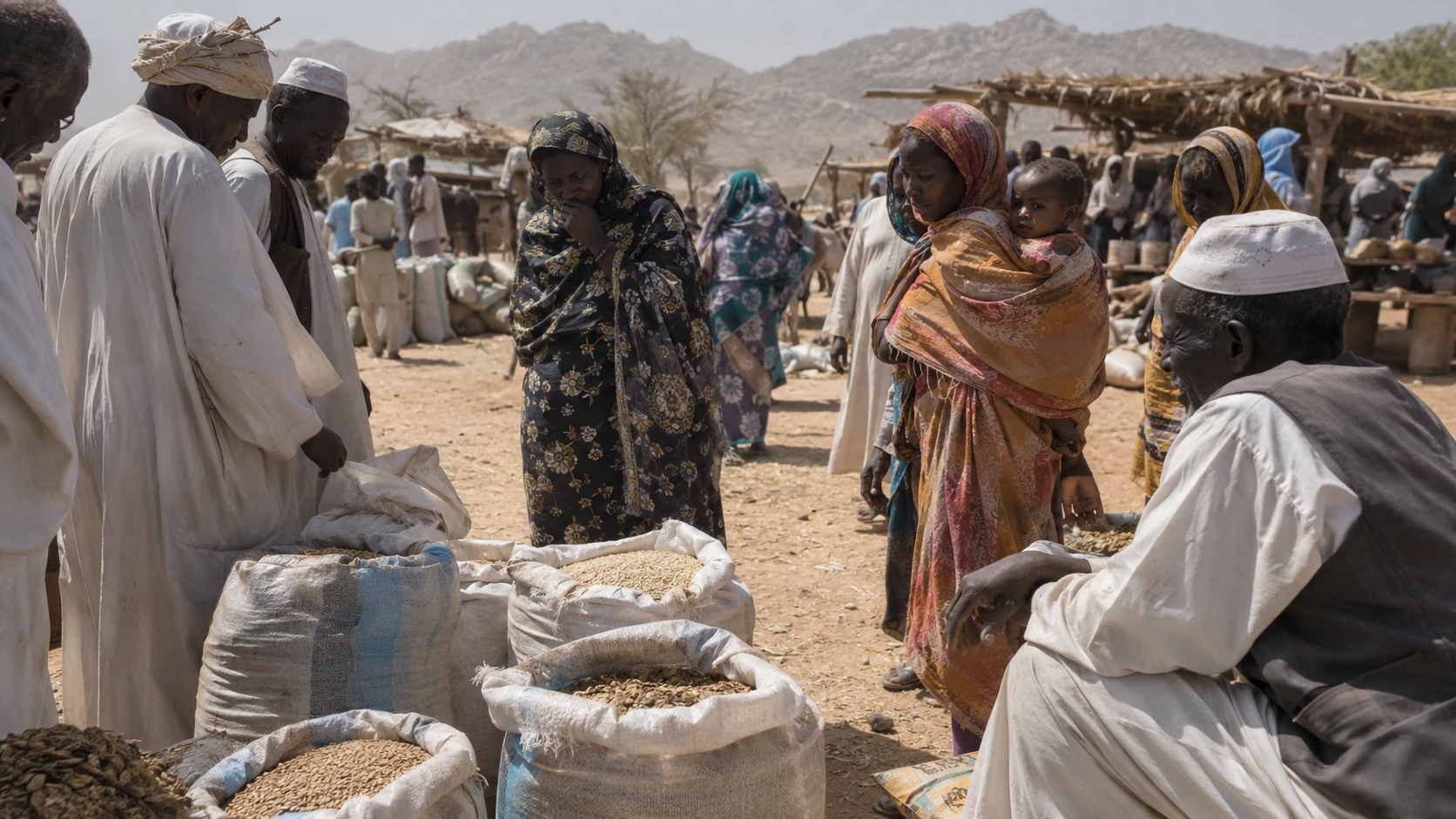
Families in Sudan’s West Kordofan are turning to animal feed to survive as war, soaring food prices and disrupted agriculture deepen a humanitarian crisis in one of the country’s historically productive farming regions.
In the locality of El Odaya, residents have been collecting ambaz, the residue left after groundnuts and sesame seeds are pressed for oil. Normally used to feed livestock, it is now being prepared as food by households unable to afford basic staples.
A report by Sudanese outlet Atar, published on 3 September, described a video from Donki al-Hur village showing children waiting outside an oil press with containers and bags. Local sources confirmed the footage to the outlet, while the mill owner said between 30 and 40 people visited daily to collect the residue.
Food prices beyond the reach of families
The crisis extends beyond El Odaya. The Kordofan Observatory has reported similar conditions in El Nahud, Wad Banda, El Khuwei and Muglad, where families have increasingly relied on ambaz as incomes collapse and ordinary food becomes unaffordable.
In late August, the observatory reported that a local measure of millet cost 35,000 Sudanese pounds, while the same measure of ambaz had risen to around 10,000 pounds as demand increased. Separate reporting from Darfur24 described families grinding the oilseed residue to prepare meals and documented the severe pressure on households, including women caring for children without a reliable income.
The hardship is particularly striking in a region long associated with agriculture and livestock. Insecurity, disrupted markets, displacement and poor rainfall have undermined farmers’ ability to cultivate land and transport produce, leaving communities that once supplied food increasingly dependent on whatever they can obtain locally.
Cholera adds to the emergency
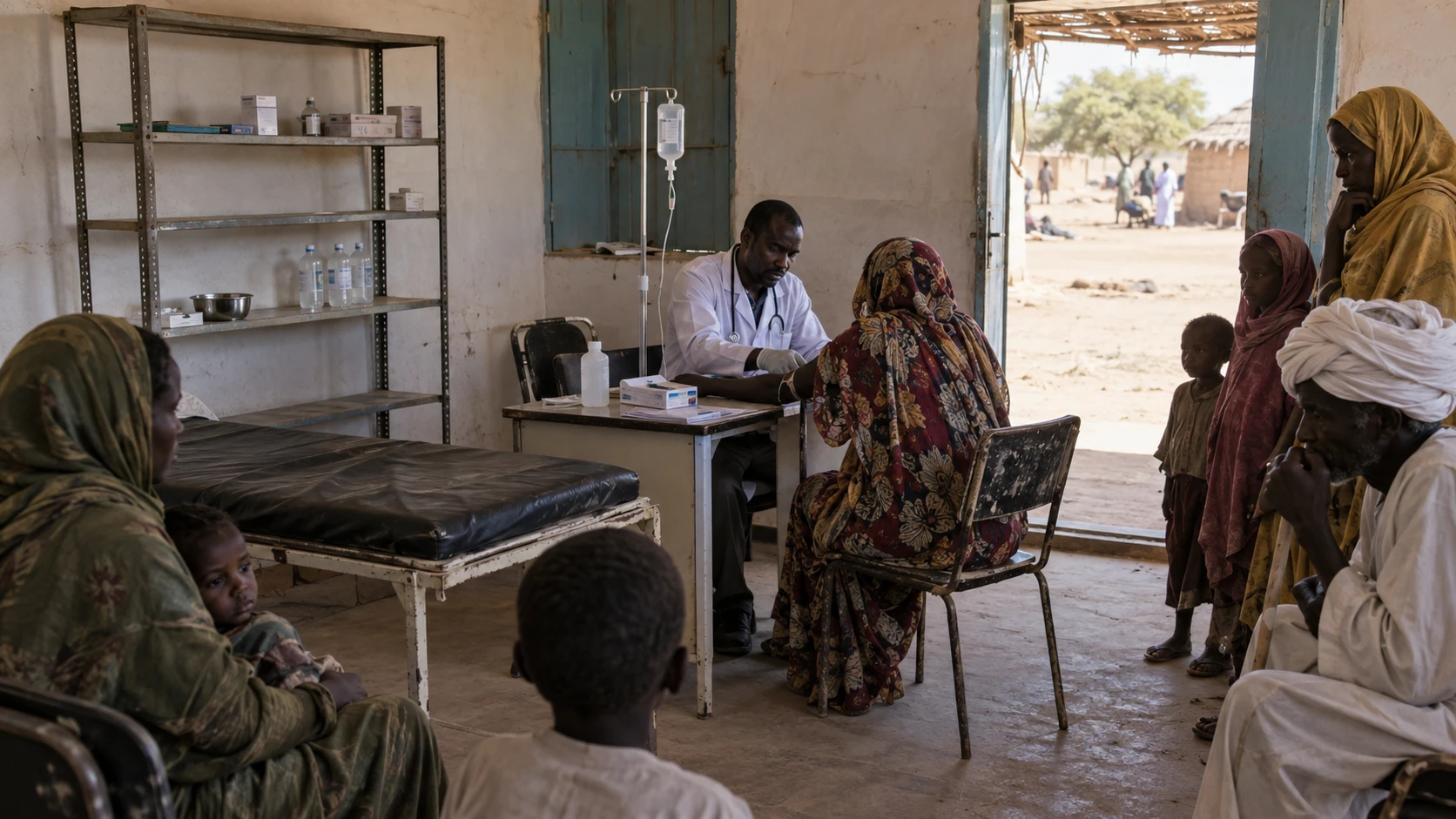
The hunger crisis is unfolding alongside a serious deterioration in healthcare. On 1 September, a spokesman for the El Nahud emergency response rooms reported 53 cholera cases and eight deaths in El Odaya.
He said intravenous fluids were selling for 70,000 Sudanese pounds in the town and 90,000 pounds in surrounding rural areas, while supplies were unavailable in neighbouring El Nahud. Shortages of treatment for malaria and typhoid were also reported.
Across Sudan, the wider emergency remains immense. According to the latest nationwide assessment by UN food agencies, nearly 19.5 million people faced crisis levels of acute food insecurity or worse between February and May 2026. The same assessment warned that conditions were expected to deteriorate during the June–September lean season, with several areas of Darfur and Kordofan at risk of famine.
The reports from West Kordofan show what those national figures mean at household level: families in a farming region reduced to eating oilseed waste, while disease spreads and the cost of basic treatment moves beyond their reach.
Read more:
ShortURL ⬇