

Experts Come Together to Discuss How to Dismantle Israel’s £580m Hasbara Machine
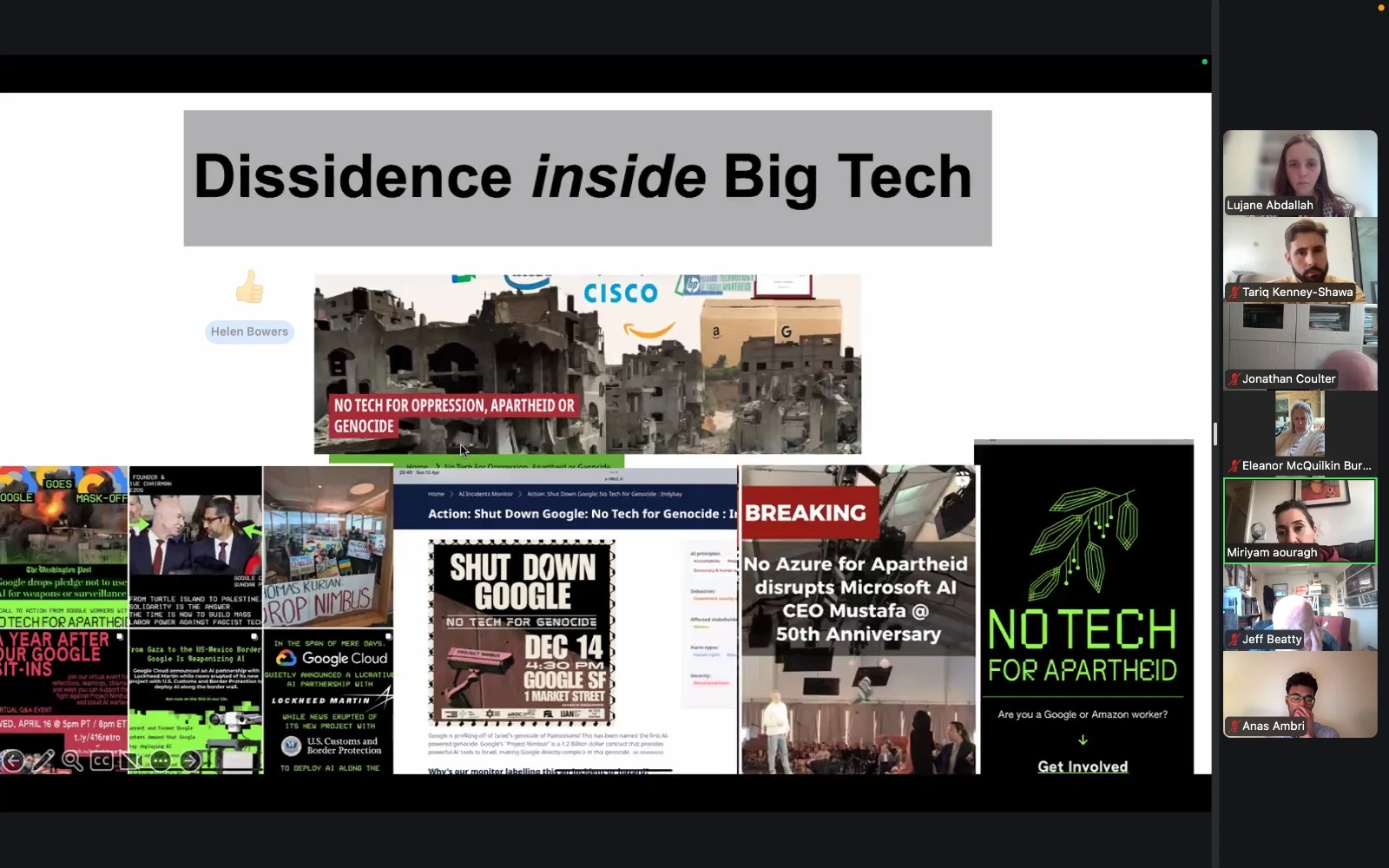
In an era where social media is branded the ‘most important weapon’ of the state, the battle for Palestine is being fought as much on smartphone screens as it is on the ground. On 7 April 2026, a seminal webinar hosted by the Global Alliance for Palestine (GAFP) dissected the industrial-scale architecture of hasbara – state-sponsored propaganda – and equipped activists with the tools to dismantle it.
Chairing the session, the Global Alliance for Palestine’s Lujane Abdullah described the current landscape as ‘state-sponsored information warfare’. With a staggering $729 million (£580m) recently allocated to fund social media campaigns and influence AI systems over the course of 2026, Abdullah warned that this machinery is ‘trying to shape what the machines tell us’.
The ‘Manufactured Discontent’ Trap
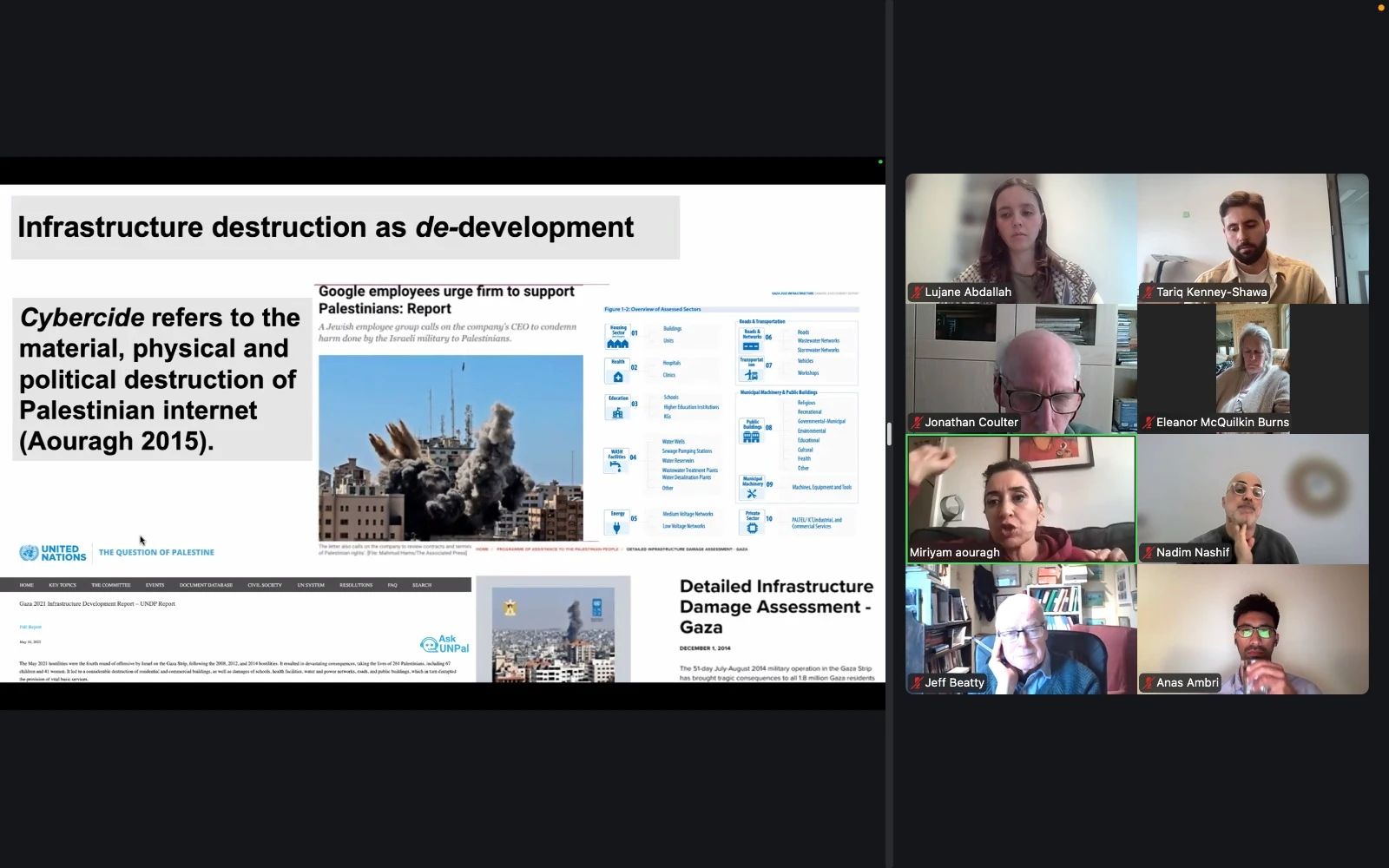
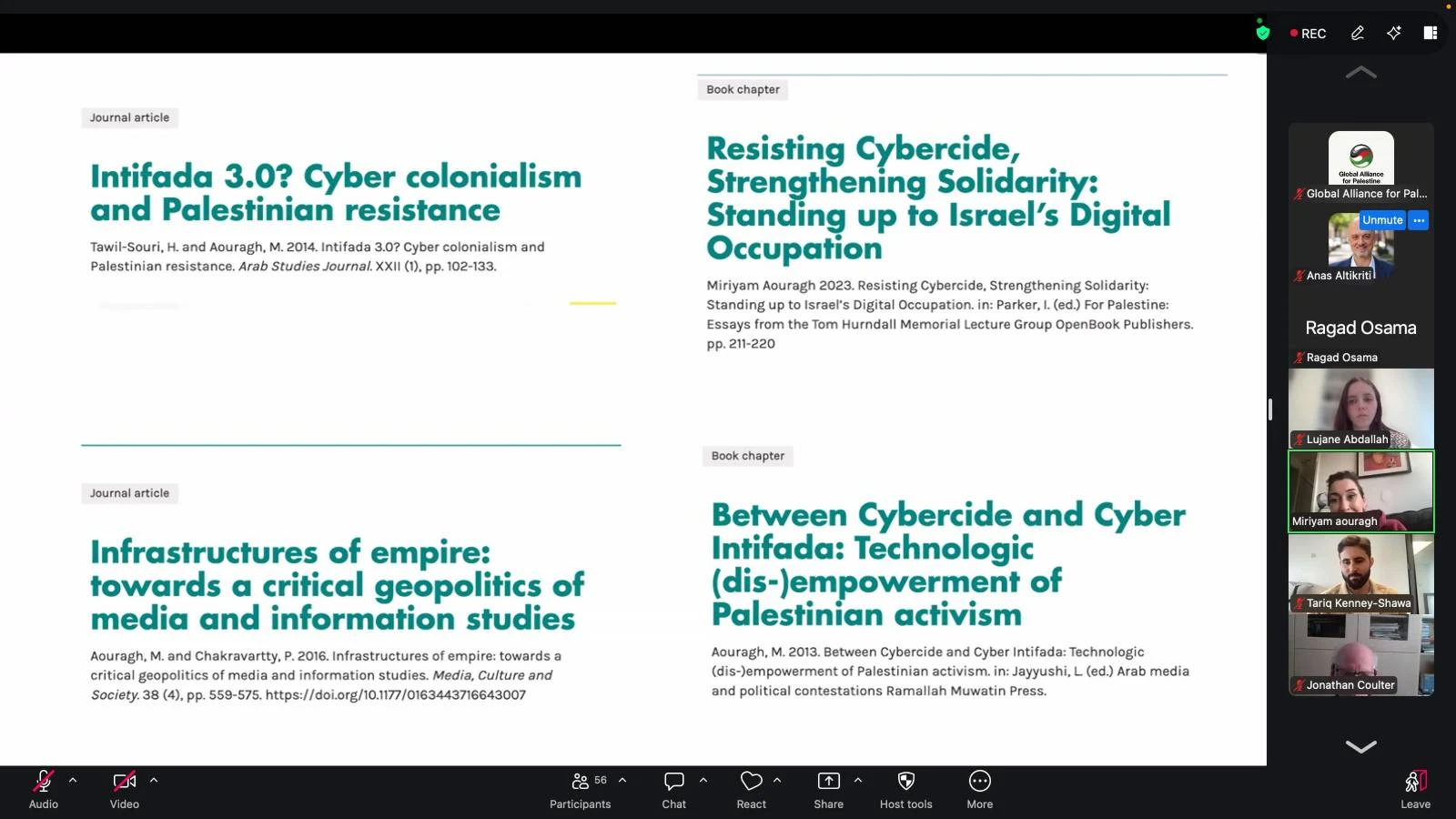
Beginning the discussion, Professor Miriyam Aouragh, an anthropologist at the University of Westminster, framed hasbara as an essential requirement of any ‘violent project of domination’. She introduced the concept of ‘manufacturing discontent’, arguing that because the state cannot rely on consent for its actions, it must systematically cast doubt on the Palestinian experience. Aouragh noted that hasbara is currently ‘trapped between a rock and a hard place’, as the ‘live-streamed’ nature of the genocide causes traditional propaganda to collapse under the weight of reality. Her advice to organisers was to avoid the ‘trap of responding’ to every bad-faith argument, suggesting instead a strict division of labour where dedicated experts handle debunking while the majority focus on ‘real political activism’.
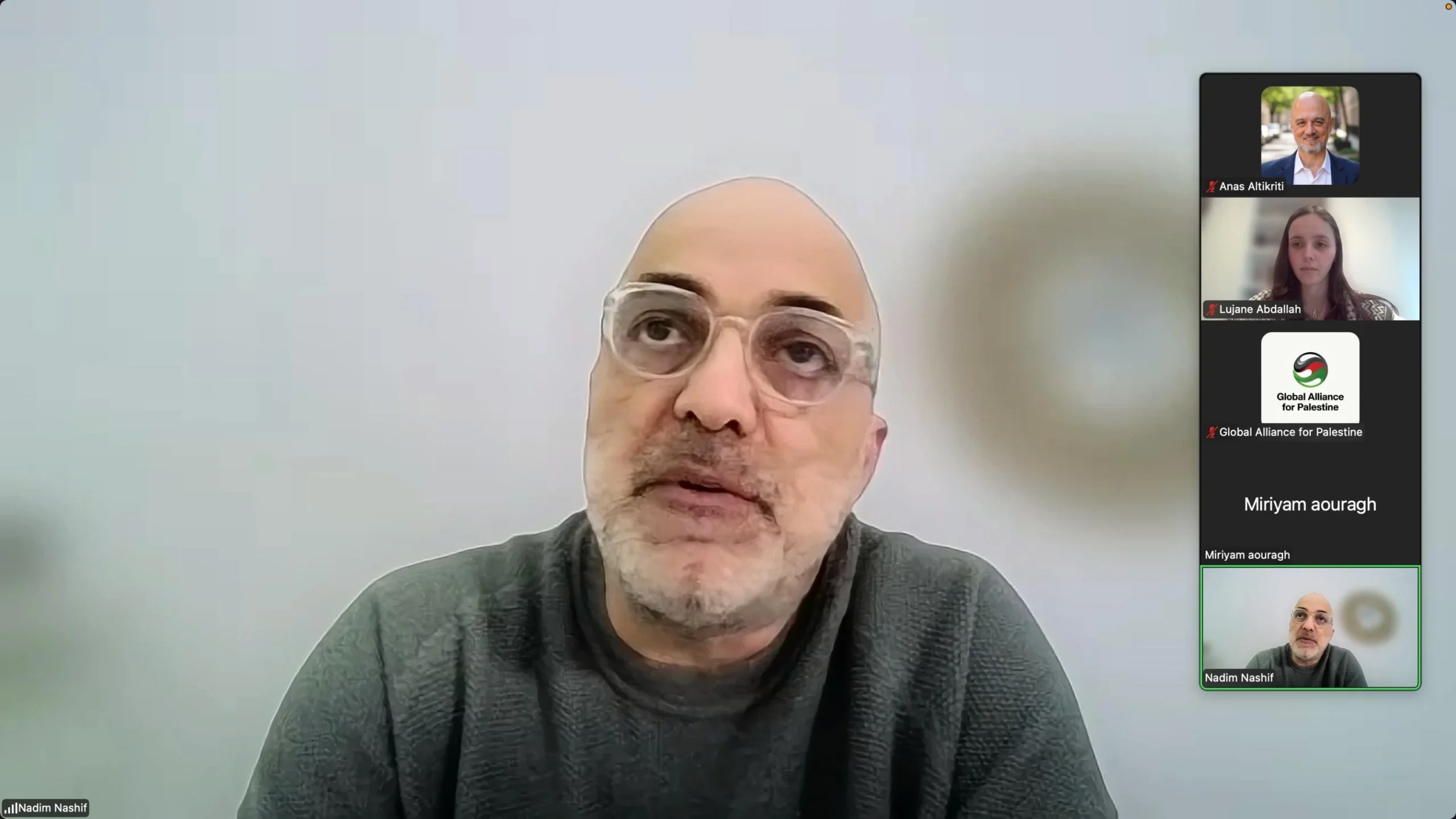
Nadim Nashif, Executive Director of 7amleh, shifted the focus to the systemic bias embedded within tech giants like Meta and Google. He revealed how Arabic content is ‘over-moderated’ using aggressive classifiers deployed years before Hebrew equivalents. Nashif detailed how hasbara units coordinate with companies to shadow-ban Palestinian voices while promoting state narratives through multi-million-pound deals. He emphasised the need to fight for the ‘right to be there’ on mainstream platforms while simultaneously supporting ethical, Palestinian-owned alternatives such as Upscrolled.
Beyond the Truth: Building Real Power
Tariq Kenney-Shawa, a Policy Fellow at Al-Shabaka, discussed the use of Open-Source Intelligence (OSINT) to refute disinformation, citing the forensic reconstruction of the murder of Hind Rajab. However, he offered a sobering warning: exposure alone does not necessarily compel intervention. Kenney-Shawa argued that while OSINT is essential for ‘preserving the record’, it must be paired with building political power. He urged activists to shift from merely proving the truth to ‘making the truth actually have tangible consequences’ through policy lobbying and mass organising.
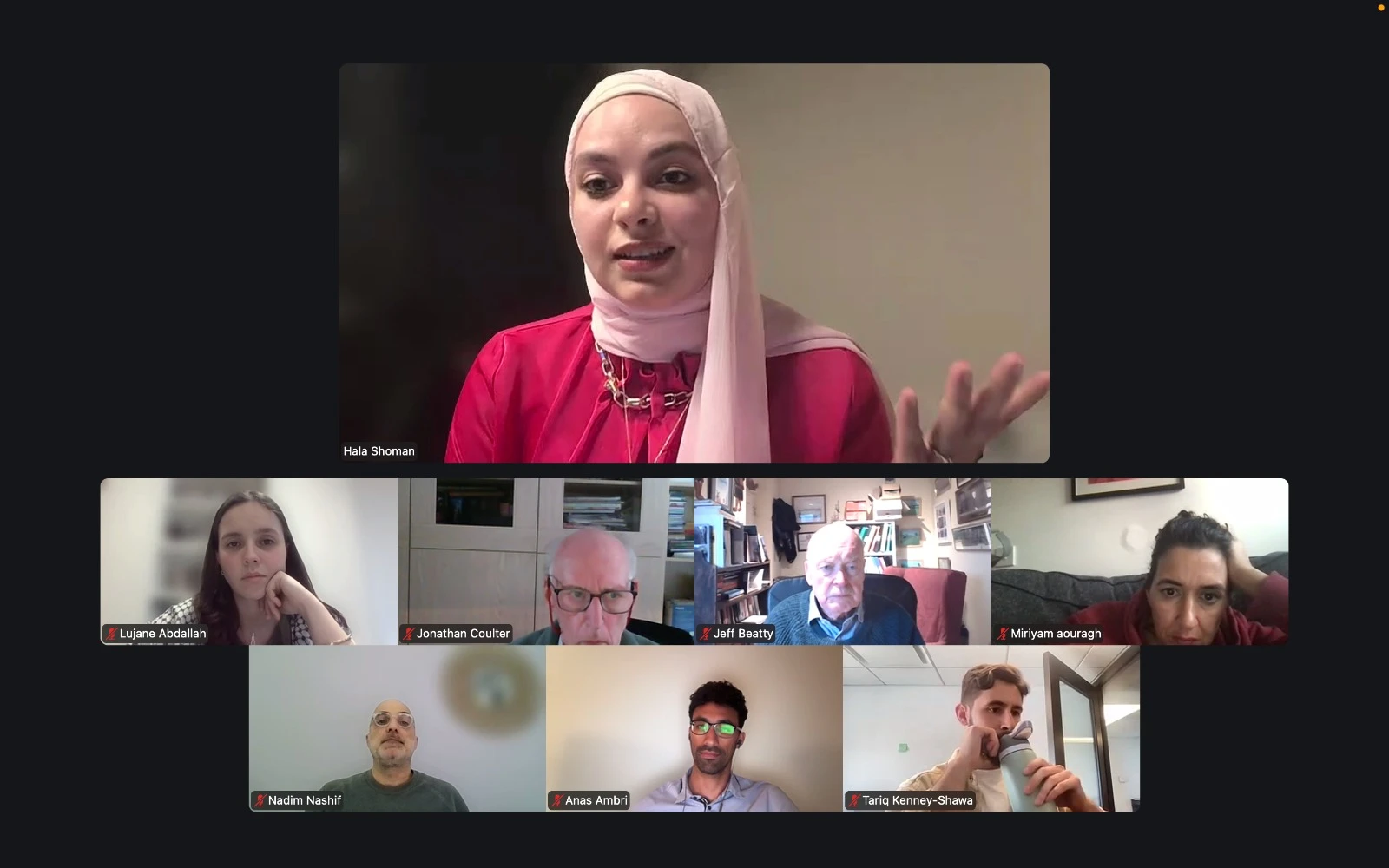
Hala Hanina, a PhD researcher who left Gaza just before the genocide, grounded the discussion in the harrowing reality of the ground. She detailed the tactical ‘casting of doubt’ used during the bombing of the Al-Ahli Hospital and the ’40 beheaded babies’ narrative to manufacture global consent for ethnic cleansing. Hanina recalled her father’s plea from the midst of the bombardment: ‘You have the responsibility to show the reality’. She urged supporters to prioritise Palestinian accounts and reject the ‘Western media complicity’ that sells state-funded propaganda as fact.
Following the Paper Trail of Paid Influence
Closing the session, investigative journalist Anas Ambri provided practical tools for unmasking foreign influence operations. He demonstrated how to use Google’s Ads Transparency Centre and US Foreign Agent filings to track the millions spent on lifestyle and faith-based influencers used to ‘flood the zone’ with state narratives. Ambri highlighted a successful case where a firm hired for a ‘bot-based program’ quit following public backlash. He encouraged activists to ‘follow the digital paper trail’ to hold complicit agencies accountable.
From Digital Awareness to Tangible Change
The strategies shared by the panel underscore a vital shift: moving beyond reactive debunking toward a disciplined, offensive stance against information warfare. By integrating OSINT evidence with sophisticated lobbying and following financial paper trails, activists can break the cycle of manufactured discontent. The goal is to transform digital awareness into political pressure that yields tangible change and accountability.
The webinar marks the first in a major series of upcoming webinars and strategic briefings from the GAFP, which was established following their conference in London last July.
Read more:
ShortURL ⬇