

The Russian Threat to Britain: Where Are the Military Bases Located, and How High Is the Risk of Being Targeted?
The Russian Threat to Britain: Where Are the Military Bases Located, and How High Is the Risk of Being Targeted?
Russian threats to a NATO member state are nothing new; Moscow has been warning European countries for years over their military equipment support for the Ukrainian army over the past four years. However, the threat this time differs from previous warnings, which included brandishing the potential use of tactical nuclear weapons. Even so, those threats remained within the realm of deterrence and political pressure, never translating into the actual use of nuclear arms.
Yet the situation this year has changed. Ukraine has received substantial technical and financial backing from European nations, enabling it to scale up drone manufacturing and deploy them against Russian forces. Independent estimates suggest that Ukraine could produce between five and six million drones in 2026—systems that have inflicted heavy losses and helped reshape the modern battlefield.
Moscow views Europe, and Britain in particular, as direct partners of Ukraine in the ongoing war with Russia. Spanning a front line of roughly 1,200 kilometers, the conflict has shifted from a phase defined by Russian advances into a prolonged war of attrition, resulting in hundreds of thousands of casualties on both sides.
Western reports indicate that Russia’s position today differs from the beginning of the war, and reaching a military resolution or a settlement on better terms has become more urgent for Moscow, particularly given the pressures facing NATO across the Atlantic.
NATO is undergoing a phase of internal tension, with mounting disagreements over priorities, defense burden-sharing, and the future of the U.S. military role in Europe. These disputes hold direct significance in Moscow’s calculations, as they could create space to test the alliance’s cohesion and the limits of its response to any escalation. While Washington pushes European allies to shoulder the lion’s share of responsibility for the continent’s conventional defense—and reduces its force deployment in Europe amid potential further cuts—several European capitals adopt a harsher tone toward Russia. Meanwhile, the U.S. administration tends to prioritize negotiations and avoid being drawn into a direct confrontation. From this perspective, Moscow may view the divergent transatlantic priorities as an opportunity to ramp up pressure on European countries supporting Ukraine, though this does not imply that NATO is at its historically weakest point or that Russia has definitively resolved to test the alliance militarily.
On the battlefield, American intelligence estimates indicate that Russian casualties have at times exceeded recruitment rates, a reality that heightens pressure on morale, political support, and the Russian economy. Moreover, Ukraine has repeatedly managed to strike oil refineries and other strategic sites deep within Russian territory, putting Russian President Vladimir Putin’s image under additional strain.
The crisis was further exacerbated by the recent British decision to support Ukraine with technology for manufacturing long-range cruise missiles. Recent U.S. intelligence assessments suggest that Putin may be more willing to permit provocative operations extending into the territory of NATO member states, including cyberattacks, hybrid operations that allow for plausible deniability, and possibly limited military moves. These reports surfaced alongside a direct Russian threat of military action against Britain.
The Russian warning to Britain is no longer merely part of the war of words that has been ongoing since the outbreak of the conflict in Ukraine. On August 27, 2026, Moscow warned that it could target British military facilities both inside and outside Ukraine in response to escalating British support for Kyiv, particularly regarding Storm Shadow/SCALP long-range missile technology.
Russian Foreign Ministry spokeswoman Maria Zakharova stated that Britain and France are “playing with fire,” while Moscow linked its latest threats to London’s decision to share classified technical information with Ukraine to pave the way for the local production of Storm Shadow missiles.
Some analysts believe Russia may seek to test NATO’s cohesion—and perhaps force a discussion on invoking Article 5—by posing a direct threat to one of its member states. In light of past statements by the U.S. President and the ongoing review of the U.S. military footprint in Europe, Moscow might gamble on a limited American response, thereby deepening fractures within the alliance and pushing for a resolution to the war on terms closer to the Russian vision, which has faced fierce European opposition.
However, this remains an analytical hypothesis unsupported by public evidence so far. Furthermore, Article 5 of the North Atlantic Treaty does not trigger an automatic declaration of war; rather, it stipulates that each member state will take such action as it deems necessary to assist the party under attack. Targeting a member state could end up unifying the alliance instead of fracturing it, turning any such Russian attempt into a high-stakes gamble.
The Sphere of the Russian Threat
From Cyprus and Gibraltar to airbases and military facilities inside the United Kingdom, the sphere of the Russian threat to Britain is expanding. But has Moscow moved from political warnings to preparing for an actual strike?
Where Are the British Bases Located?
The United Kingdom possesses an extensive military network inside its territory and abroad, which the British Ministry of Defence describes as part of an “Integrated Global Defence Network.”
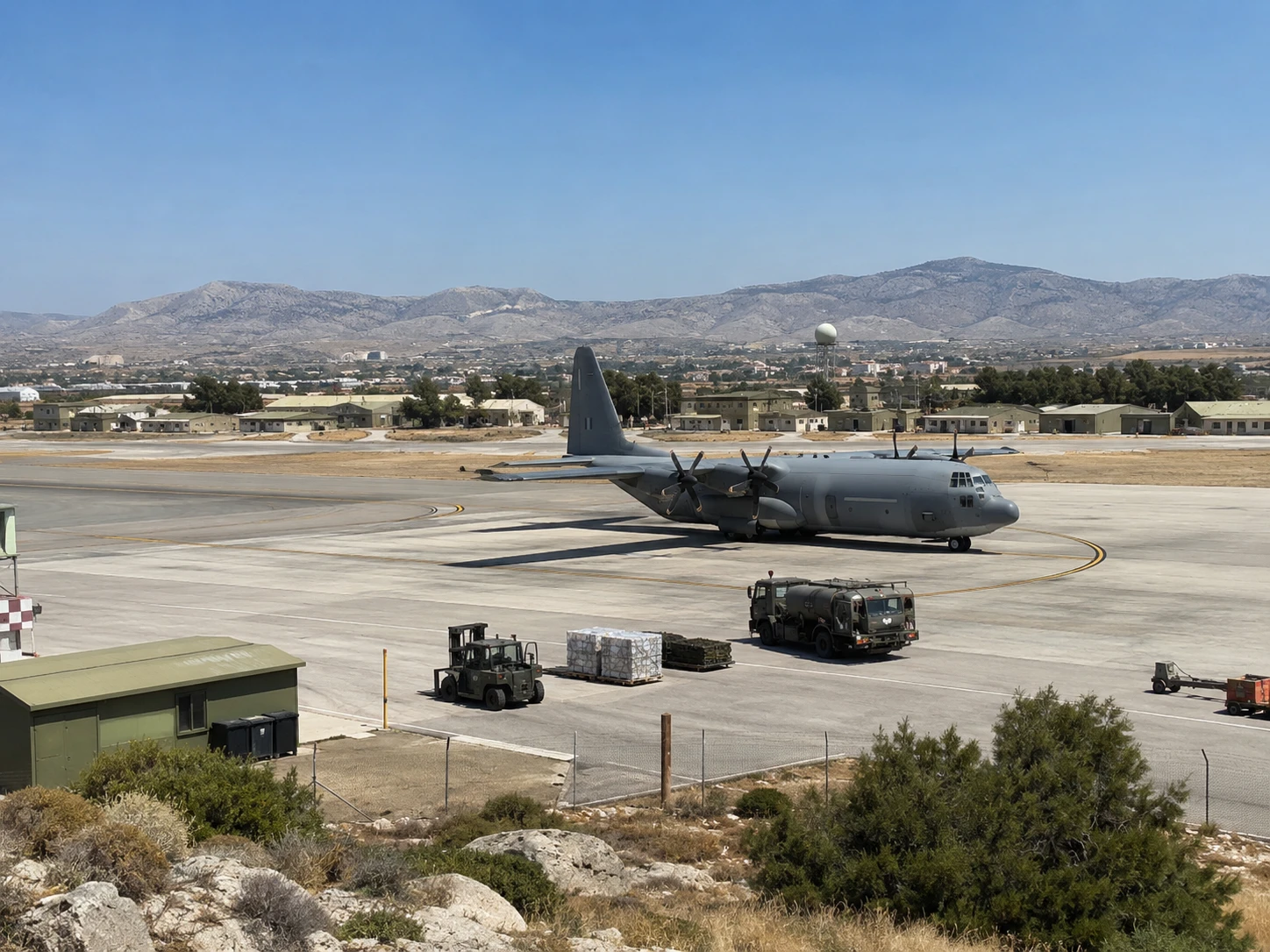
Prominent in this network are the British bases in Cyprus, where Britain owns the sovereign base areas of Akrotiri and Dhekelia, housing military facilities that include Akrotiri, Episkopi, Dhekelia, and Ayios Nikolaos. The area of the two British sovereign base areas on the island is approximately 98 square miles.
Cyprus gains particular importance due to its geographical location, providing Britain with an advanced military platform in the Eastern Mediterranean and the Middle East. However, it is important to emphasize that, according to available information, Moscow has not published a specific list naming the British bases it intends to target.
The British network also includes Gibraltar, where the United Kingdom maintains a military, naval, and air presence, as well as facilities in the South Atlantic, particularly in the Falkland Islands.
In the Indian Ocean, Diego Garcia remains an important part of the British-American military infrastructure, and the British Ministry of Defence confirmed the continued inclusion of the British Indian Ocean Territory, including Diego Garcia, in its military statistics for 2026.
The picture is not limited to overseas bases. Inside Britain, air force, naval, and army facilities, as well as command, communications, and logistical support centers, are spread out. The Ministry of Defence also publishes annual statistics on the locations of armed forces personnel and civilian employees across the United Kingdom and the world.
Is Every British Base a Potential Russian Target?
Here the picture becomes more complex.
Saying that Russia has threatened “British bases” does not mean that Moscow has announced the names of specific bases or established a public map of targets. Furthermore, British military facilities differ radically in their nature and function.
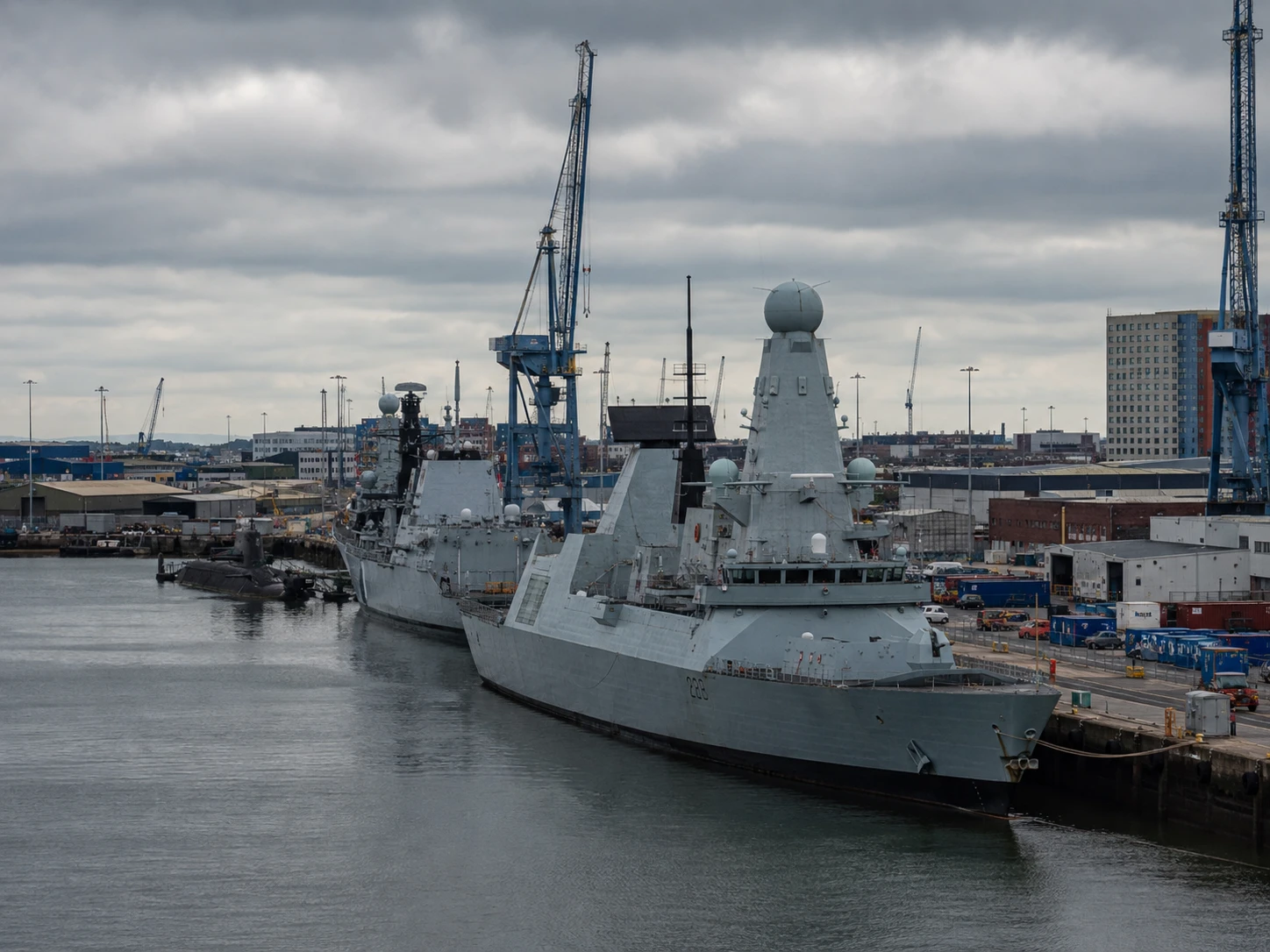
There are airbases, naval bases, command and communications centers, training and supply facilities, in addition to infrastructure associated with the British nuclear deterrent.
For this reason, categorizing a particular base as “most vulnerable to Russian bombardment” would be a conclusion that exceeds what publicly available information allows.
However, it can be said that the importance of the facility to British military capacity is one of the factors that makes it a subject of interest in any strategic analysis, without turning that into a target list.
Britain Was Already Preparing
The most prominent paradox is that London announced, prior to the latest Russian threat, significant investments in defense against missiles and drones.
In the defence investment plan announced by the government in June 2026, Britain allocated £790 million over four years to enhance the protection of British territory and overseas bases against air, missile, and drone threats.
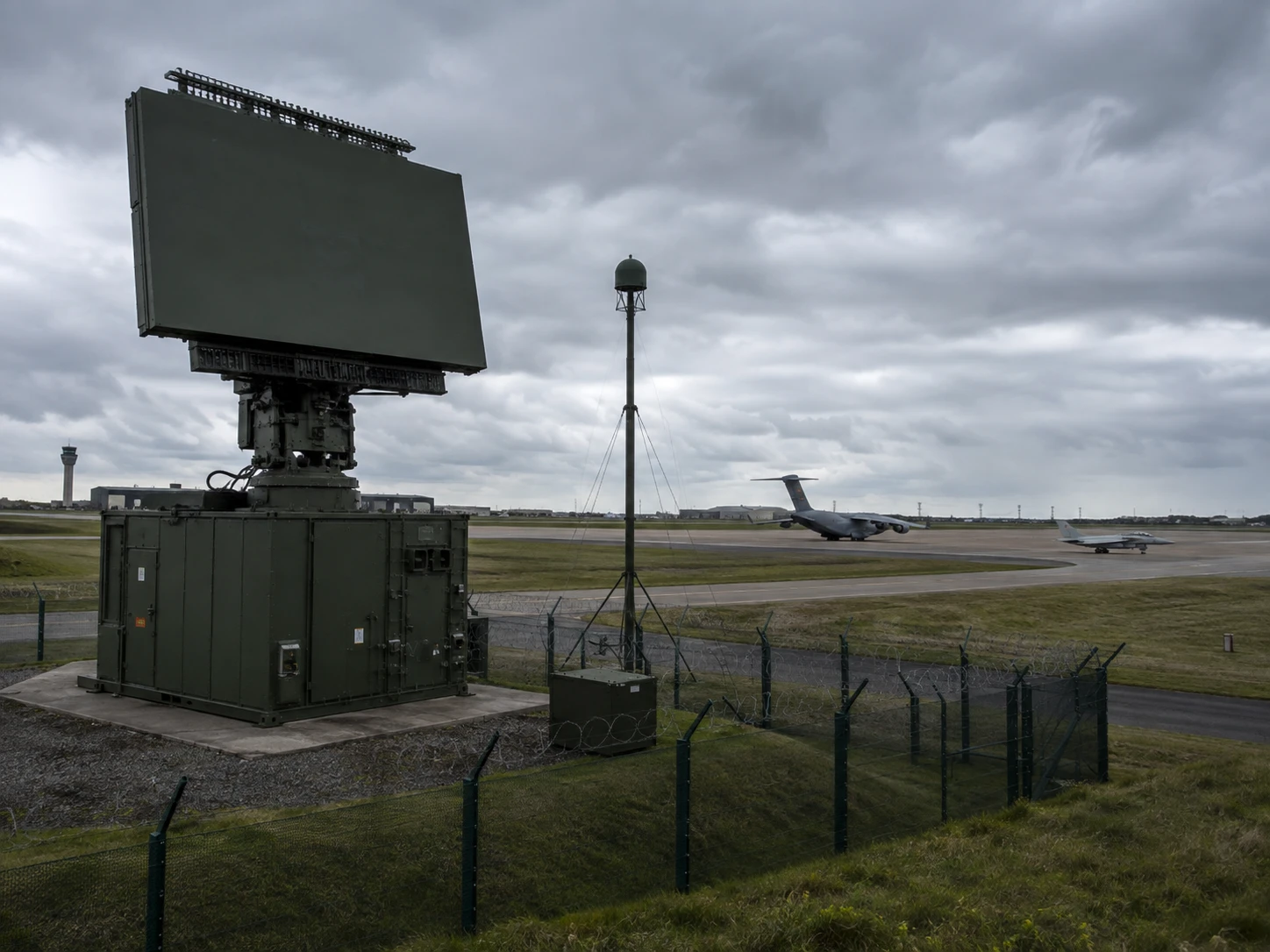
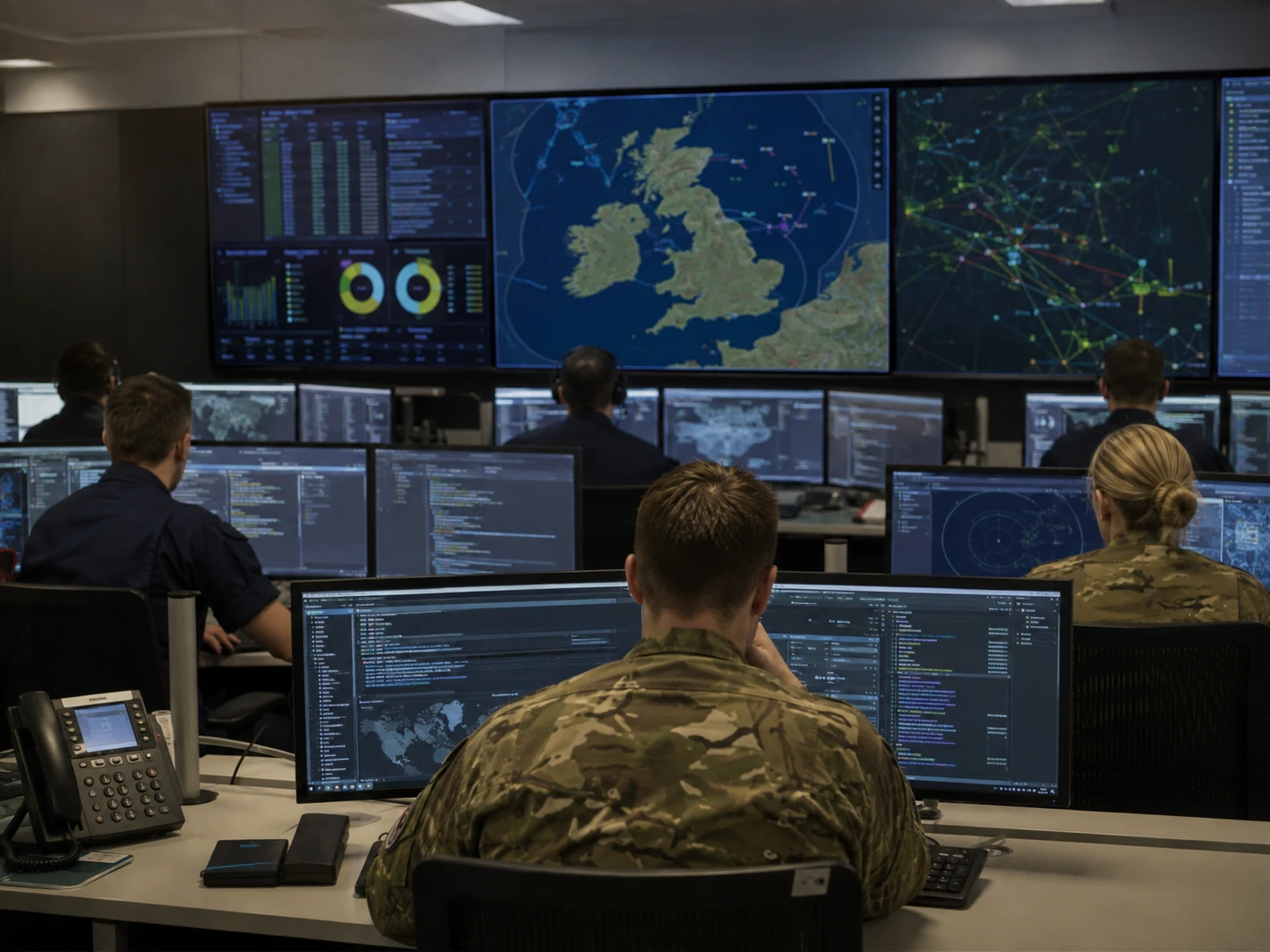
The plan includes new radars and sensors, strengthening anti-drone systems, developing air and missile defense capabilities, and establishing an integrated air, space, and missile defense operations center.
This does not mean that the British government was necessarily expecting an imminent Russian strike, but it reflects a broader shift in how London assesses military threats.
The new defense plan explicitly speaks of transitioning to “war-fighting readiness,” drawing lessons from the war in Ukraine, and increasing stockpiles of weapons, ammunition, and long-range strike capabilities.
Why Has Russian Rhetoric Escalated Now?
The timing is not random.
On August 24, Britain announced its support to increase Ukraine’s capacity to produce Storm Shadow missiles inside Ukrainian territory, a step viewed by Moscow as a direct escalation in the level of British involvement in the war.
The Kremlin stated that transferring British technology to Ukraine “adds fuel to the fire,” while Moscow confirmed it is working to identify missile production sites inside Ukraine.
Then, on August 27, Russian rhetoric shifted to explicitly speaking about the possibility of targeting British military facilities.
This development is important because it expands the concept of a potential Russian response from targeting Ukraine to brandishing the possibility of putting pressure on countries supporting Kyiv.
Does This Mean Britain Is About to Suffer a Strike?
There is not enough evidence in publicly available information to say that Russia has taken a decision to strike a British base inside the United Kingdom.
Here, a distinction must be made between three levels:
- The First: The Political Threat Which appeared clearly in recent Russian statements.
- The Second: Military Deterrence Moscow may use the threat of potentially targeting British military interests to push London to recalculate the nature of the support it provides to Ukraine.
- The Third: Direct Military Action Which is a completely different level of escalation, and would mean the Russia-West confrontation moving into an unprecedented stage since the Cold War.
Therefore, the current threat should be dealt with seriously, but it is journalistically wrong to turn it into an expectation that “Russian bombardment of Britain has become imminent.”
The Danger Is Not Limited to Missiles
British security does not view Russia solely from the perspective of a missile strike.
The threat can take the form of cyberattacks, acts of sabotage and espionage, disinformation campaigns, or targeting critical infrastructure.
In July 2026, NATO condemned hostile Russian cyber activities against alliance members and partners, in an indicator that the confrontation between Russia and the West is already taking place in areas beyond traditional battlefields.
This means that the “Russian threat to Britain” should not be measured only by the question: Will Moscow launch a missile at a British base?
Rather, by the broader question: To what extent can the indirect confrontation between the two countries escalate?
From Cyprus to Britain: A Single Network
The British military map shows that the United Kingdom does not rely on a single base or a small group of facilities.
It is an interconnected network extending from air and naval bases inside the United Kingdom to Cyprus, Gibraltar, and military sites in the South Atlantic and the Indian Ocean.
However, this network itself means that talk of a “Russian target” must remain precise. The existence of a military facility in a location does not mean it is a declared target, nor does it mean that Moscow has decided to target it.
Will the Confrontation Reach Nuclear Danger?
The danger lies in the possibility of any limited operation turning into an open war in which nuclear capabilities are used.
In May 2026, Russia and Belarus conducted extensive exercises for their land, air, and naval nuclear forces. The exercises simulated the readiness of nuclear forces to operate in the event of aggression, in a clear message of deterrence to Western countries.
Here we ask: Are these exercises linked to what is happening today, or are they merely a display of force aimed at imposing better conditions on Ukraine and the main countries supporting it in the war with Russia?
There is no public information allowing proof of a direct relationship between the May exercises and the recent Russian threats to Britain, but they reveal the broader strategic environment in which these threats are taking place, where Moscow uses its nuclear capabilities for deterrence and political pressure, without that meaning their use has become imminent.
The threat is real, but war is not declared.
The recent Russian escalation represents a serious development in rhetoric toward Britain, particularly coming directly after increased British support for Ukraine and expanded cooperation on long-range missiles.
However, to date, there is no reliable public information proving that Russia has designated a specific British base to target, or that a decision has been made to launch an attack on British soil.
What can be established is that London is already investing in defending its bases and territory against missiles, drones, and aerial threats, and that Russia has raised the ceiling of warnings directed at Britain.
While the prospects of direct war between Russia and Britain appear limited relative to the volume of political and media noise, the more realistic danger may lie in the gray zone between war and peace: cyberattacks, sabotage, espionage, pressure on bases and facilities, and attempts to deter London from continuing its support for Ukraine.
In other words, the question is no longer merely: Can Russia strike Britain?
Rather, it has become: To what extent can Moscow raise the cost of Britain’s support for Ukraine without triggering a direct war with a nuclear-armed state and NATO member?
Read More:
ShortURL ⬇