

Inside Yemen United Forum in Britain: A Volunteer Network Supporting the Community
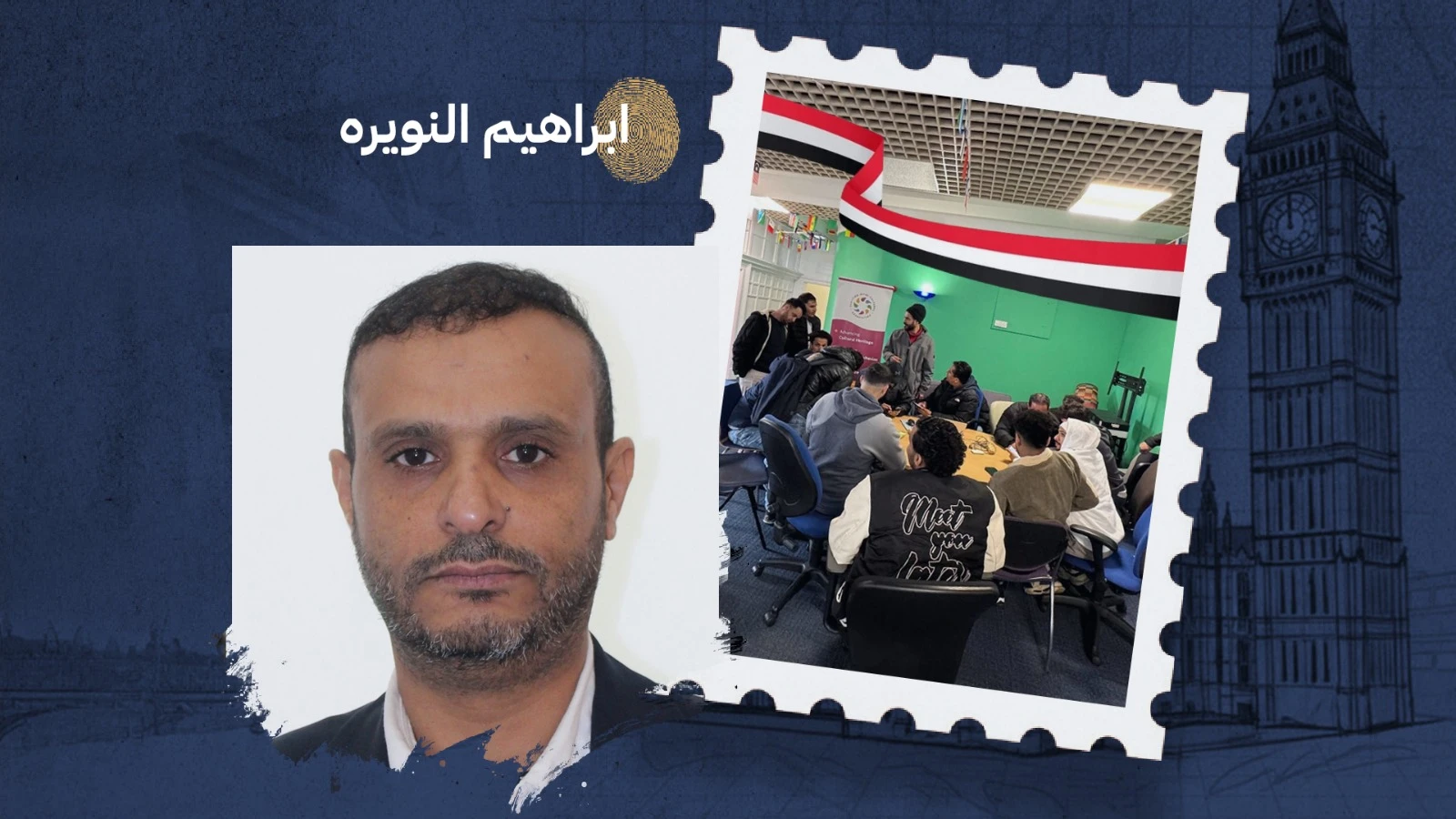
At a time when many Arab communities abroad face rising pressures — from bureaucracy and isolation to the everyday struggle of starting over — one grassroots initiative in Britain offers a striking example of what organised community support can achieve.
Yemen United Forum in Britain has become far more than a digital chat group. What may once have begun as a space on WhatsApp has steadily grown into something far more meaningful: a practical support network helping Yemenis and other Arabs navigate life in Britain with greater confidence, clarity, and dignity.
Its guiding principle seems refreshingly simple: help people first.
That may sound modest. In practice, it is anything but.
A bridge for students trying to find their way

For many international students, Britain can be a land of opportunity wrapped in layers of complexity. Admissions systems, scholarship applications, visa rules, housing pressures and unfamiliar academic expectations can quickly turn ambition into confusion.
This is where the forum appears to have made a real difference.
By sharing scholarship opportunities, offering academic guidance, and connecting younger students with those who have already walked the same road, it has helped many Yemeni and Arab students make better decisions about their futures.
Sometimes support does not arrive in the form of money or official policy. Sometimes it arrives as the right answer at the right moment.
For refugees, information can be as vital as aid
The same is true for newly arrived refugees, many of whom reach Britain carrying trauma, uncertainty and urgent practical questions.
How does the system work?
Where do I begin?
What are my rights?
Whom do I ask?
These are not minor concerns. They shape whether a family’s first months in a new country are defined by panic or stability.
By helping explain legal procedures, social systems and everyday realities, volunteer-led networks like this can provide something formal institutions often struggle to offer: trust.
And trust, especially in the early stages of resettlement, matters enormously.
The invisible labour behind strong communities
What deserves particular recognition is that this work appears to be carried out largely by volunteers.
People giving their time freely. Answering questions late at night. Organising information. Moderating discussions. Resolving disputes. Guiding strangers through processes they once had to navigate alone.
This kind of labour rarely attracts headlines. It is unpaid, often unseen, and easy to underestimate.
Yet communities are frequently held together by precisely this sort of quiet effort.
Why organisation matters
Another strength of the initiative appears to be structure.
Rather than relying on one chaotic public space, the forum is understood to include specialised groups covering education, business, guidance and wider community affairs. That division of focus helps people find relevant support quickly and allows volunteers to work more effectively.
It also reflects an important truth: goodwill alone is not enough. Community service works best when sincerity is matched by organisation.
A lesson beyond one community
There is a wider lesson here for Britain’s diverse diaspora communities.
Too often, public debate speaks about migrant communities only through the language of problems: integration gaps, social pressure, dependency, tension.
Far less attention is paid to the ways communities solve problems for themselves — building networks of care, sharing knowledge, reducing pressure on public systems and helping newcomers stand on their own feet.
This Yemeni initiative is one such example.
Credit where it is due

Those behind efforts like this rarely ask for applause. Most are simply trying to be useful.
But recognising such work matters. Not as sentiment, but as honesty.
Because when people give their time to lift others, gratitude is not optional courtesy. It is a basic measure of decency.
Communities are built through efforts like these. Real change is made through the spirit of volunteering. And sometimes the most important work in a society is done quietly, in places few outsiders ever notice.
Read More:
ShortURL ⬇