

Can King Charles Repair Andrew’s Damage Through Transparency?
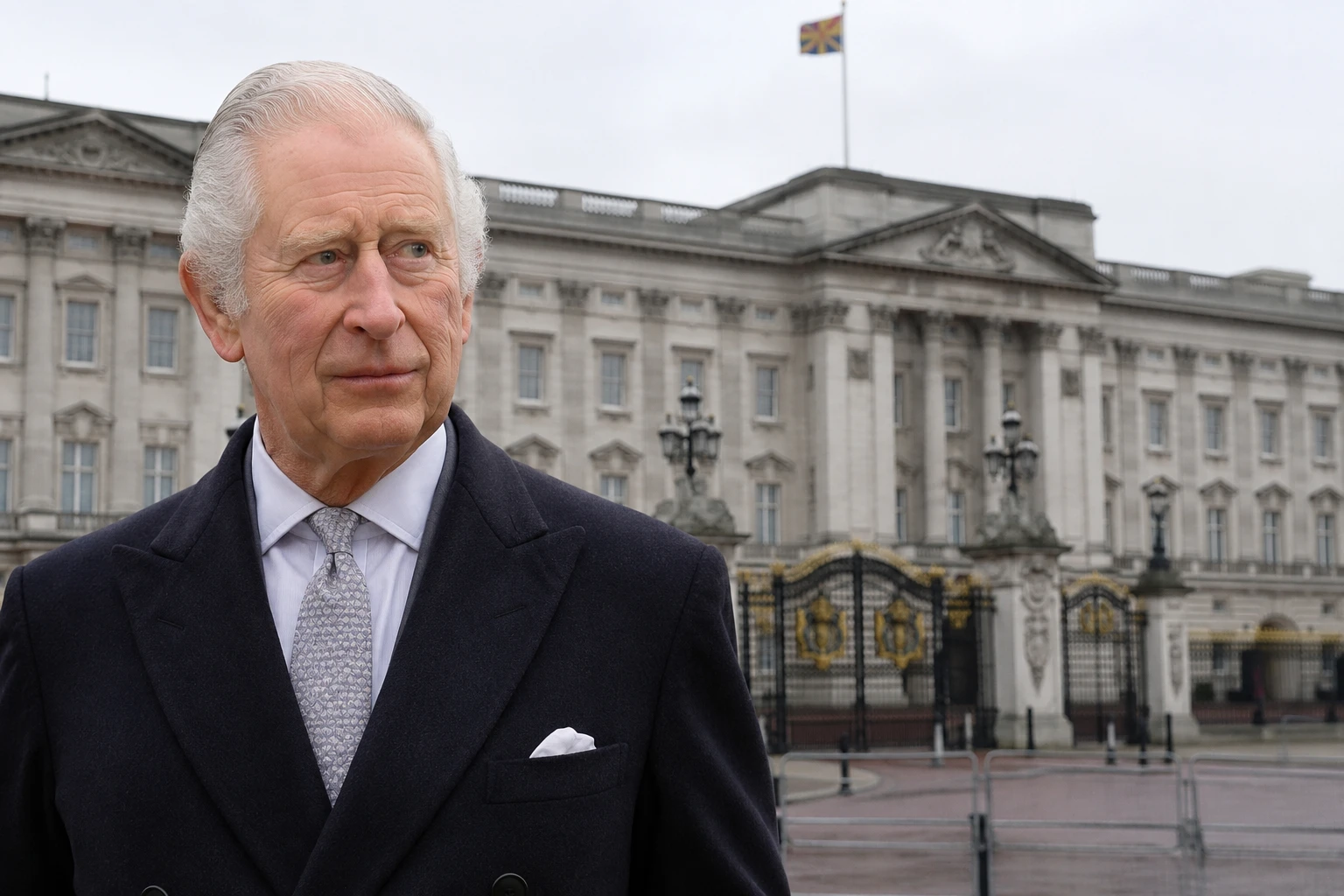
Can King Charles Repair Andrew's Damage Through Transparency?
For the first time in modern British history, a reigning monarch is preparing to disclose his personal tax bill. At first glance, the move appears highly symbolic: King Charles III revealing what he pays in tax, as if accountability has finally reached the very top of the British state.
Yet the significance extends well beyond the symbolism of an unprecedented constitutional moment.
The Palace’s decision comes after a succession of controversies that have damaged the Royal Family’s reputation, most notably the scandals surrounding Andrew Mountbatten-Windsor, his association with convicted sex offender Jeffrey Epstein, and growing scrutiny over his financial arrangements and continued residence at Royal Lodge on the Windsor estate.
Seen in that context, Charles’s decision is about more than modernising the presentation of royal finances.
It forms part of a broader effort to restore confidence in an institution weakened by secrecy, privilege and too many unanswered questions.
Andrew’s Shadow Over the Palace

Andrew’s downfall is no longer simply the story of one disgraced royal.
It has become a test of the monarchy’s ability to protect its own legitimacy.
The former prince—now known simply as Andrew Mountbatten-Windsor after losing his royal titles and privileges—did not fade from public life because of a minor breach of protocol. He became a lasting liability after years of reputational damage, from his links to Jeffrey Epstein to the financial questions surrounding Royal Lodge.
Those questions gradually shifted public attention.
The issue was no longer simply what Andrew had done.
It became how he had lived, who had benefited, who had paid, and why significant financial arrangements had remained hidden from public scrutiny.
Against that backdrop, Charles’s decision to disclose his personal tax payments becomes more than an administrative reform.
It is an attempt to demonstrate that the monarchy is adapting to an age in which even the Crown is expected to answer difficult questions.
Royal Lodge and the Cost of Opacity

Royal Lodge became a symbol of that wider problem.
Andrew secured a long-term lease on the Windsor residence after making a substantial upfront payment and agreeing to major renovation costs, while paying only what British property law describes as a peppercorn rent—a purely nominal annual payment bearing little resemblance to the property’s market value.
Ordinarily, such an arrangement might have remained an obscure legal detail within Britain’s complex system of Crown property.
But Andrew was no ordinary tenant.
Further reports added to the controversy by revealing that he had generated private income through cottages on the Royal Lodge estate, while the scale of those earnings remained unclear.
The issue was not simply the money.
It was the opacity.
If the arrangements were entirely legitimate, many asked, why were they so difficult to explain?
And if they could be understood inside the Palace, why were they so difficult for taxpayers to understand?
Why Charles Chose Transparency
This is the context that gives Charles’s decision its real significance.
The King is not publishing his tax bill simply to appear more modern.
He recognises that the monarchy cannot restore public confidence through appeals to duty and service alone while major financial questions remain unanswered.
Removing Andrew from public life addressed only part of the problem.
Rebuilding trust also requires redefining the relationship between the monarchy and the public.
If Andrew came to symbolise opaque privilege and reputational damage, Charles wants to project the opposite image: a monarch who pays, discloses and accepts greater public scrutiny.
Yet Andrew is only part of the story.
He was the catalyst, not the sole cause.
Behind him lies a broader shift: the fading of the monarchy’s traditional aura, and the rise of a more demanding public. According to the British Social Attitudes Survey, the proportion of Britons who consider the monarchy ‘very or quite important’ has fallen from 86% in 1983 to around 51% in recent years — the lowest level on record. Younger generations in particular show significantly lower deference and higher expectations for transparency and accountability.
The Palace can no longer rely on the assumption that history and tradition alone command automatic respect.
Today’s public asks questions.
It compares.
It expects answers.
Charles’s decision therefore sends a wider message than the publication of a tax bill. The Royal Family, too, is accountable. A modern monarchy no longer needs only to appear dignified. It also needs to appear transparent.
Opening the Books

Andrew may have left the centre of royal life.
His legacy has not.
He left behind a question that extends far beyond one individual: how can the monarchy continue to command public respect while aspects of its financial and property arrangements remain difficult for the public to understand?
Charles’s decision does not answer every question. But it begins with the most sensitive one.
Money.
More than ceremony, money reveals the true relationship between institutions and those they serve.
That is why the King’s tax return is more than a financial disclosure. It is an attempt to rebuild trust after profound reputational damage. Charles is not opening the books because the monarchy has abandoned its dignity.
He is doing so because dignity itself no longer survives for long without accountability.
Read more:
ShortURL ⬇