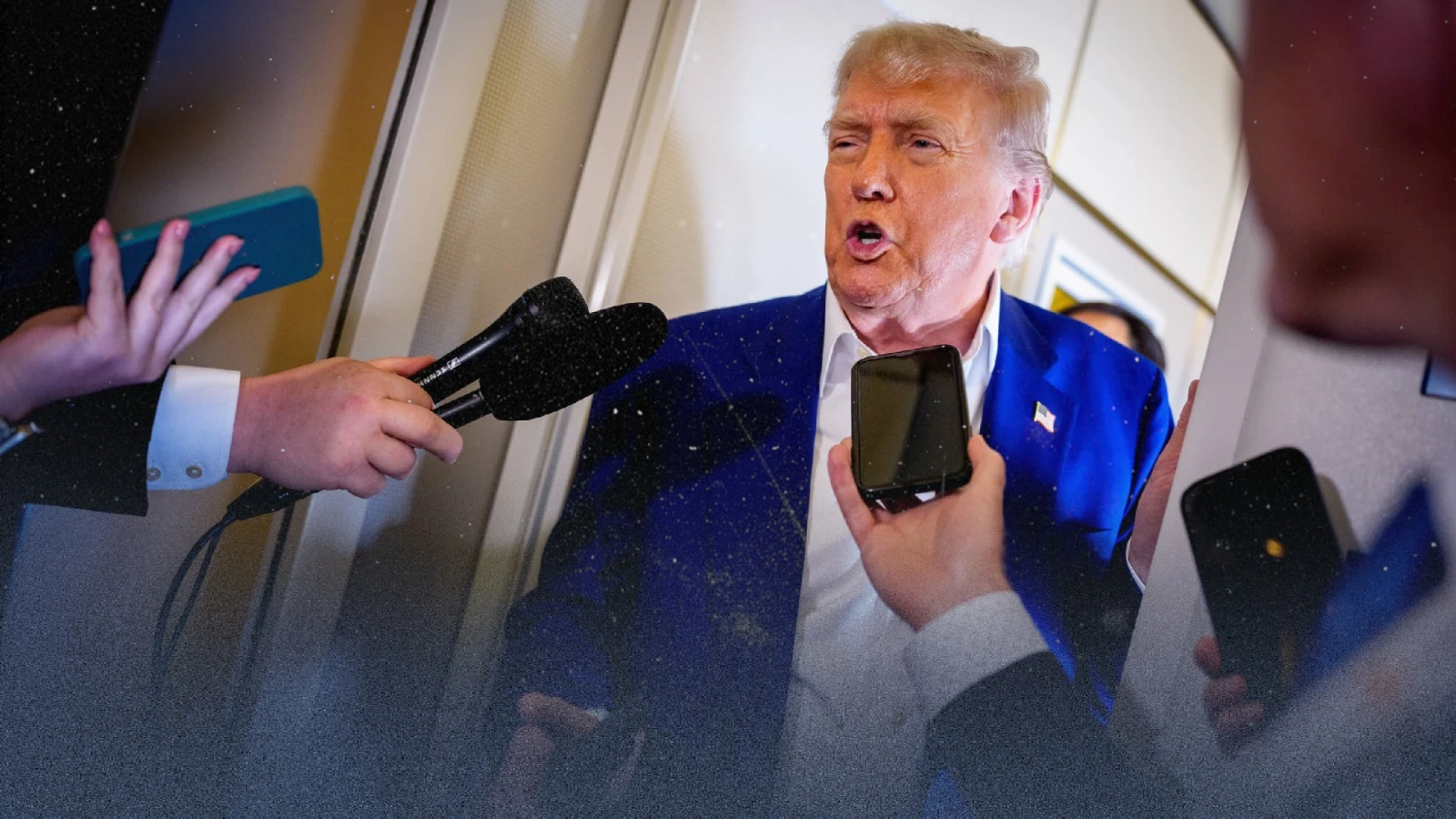
In the hours following US President Donald Trump’s surprise announcement on 7 April 2026 of a two-week ceasefire in the war waged by the United States and Israel against Iran since February, media and policy circles in London and Washington moved swiftly to assess its significance.
Early coverage points to a shared conclusion: the ceasefire offers a moment of de-escalation, but it raises deeper questions about intent, timing, and what may follow once the 14-day pause expires.
This report draws together the dominant interpretations across leading British and American outlets, focusing on how the announcement has been framed politically, militarily, and strategically.
Tactical Retreat or Last-Minute Calculation?
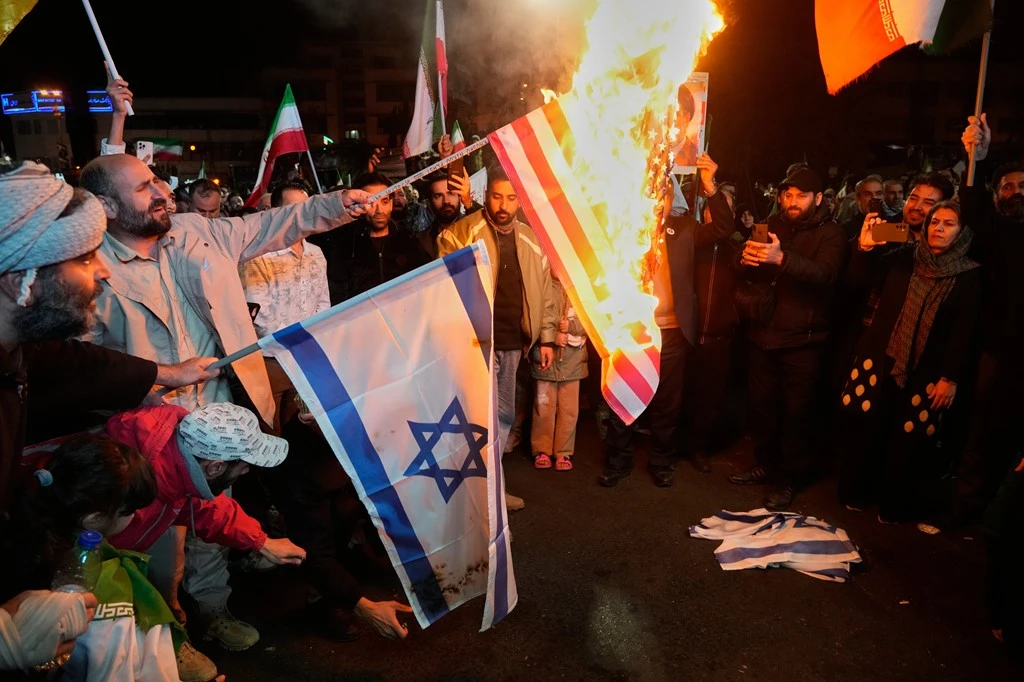
According to the international editor at The Guardian, Trump’s decision reflects pressure rather than choice. Intelligence and military briefings, the paper reports, warned that continued strikes risked triggering wider financial instability, prompting a shift in approach.
The analysis describes a moment of high-risk brinkmanship, where the ceasefire functioned as a political exit after military options narrowed. A full ground invasion remained off the table, largely due to resistance within the Pentagon.
A defence analyst at The Times adds that the announcement came just 90 minutes before a major strike on civilian infrastructure was expected. This timing, the paper suggests, points to internal divisions between political hardliners and military officials concerned about escalation and its consequences.
Reassessing Claims of “Victory”
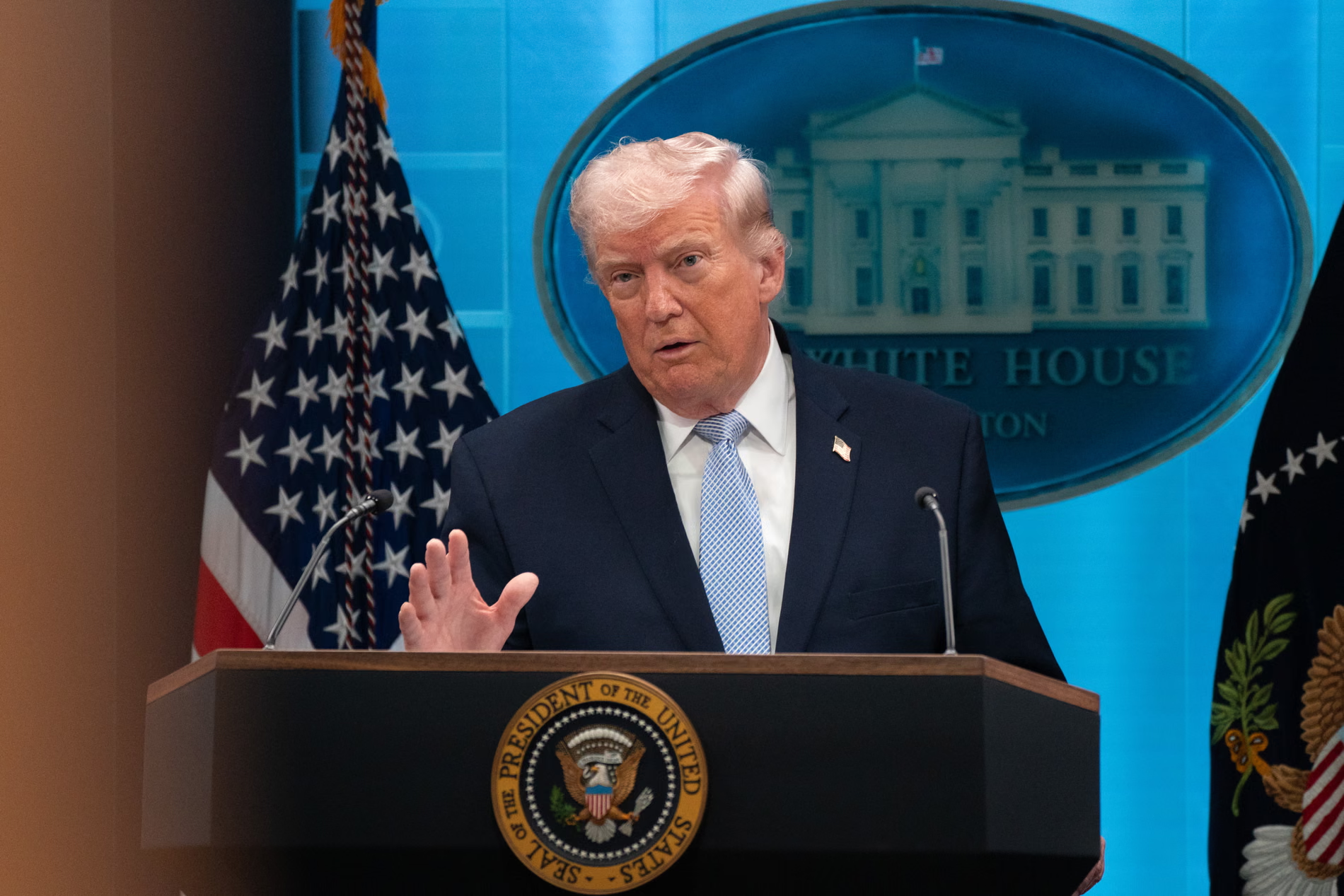
While Trump has presented the ceasefire as evidence that Iran had “capitulated,” this view is not widely shared across policy and research institutions, including Chatham House and Brookings Institution.
The Strait of Hormuz: Political analyst Simon Tisdall argues that reopening the strait represents a limited and fragile outcome. Tanker traffic has resumed under the ceasefire, but no lasting agreement has been secured. Control over energy flows therefore remains unresolved, indicating that the move has stabilised markets temporarily rather than changed the strategic balance.
The nuclear programme: An editorial in The Washington Post concludes that airstrikes have not dismantled Iran’s core nuclear capacity. Key elements, analysts note, were relocated to fortified underground sites. The paper warns that the conflict may push Tehran closer to withdrawing from the nuclear non-proliferation framework once the ceasefire ends.
Regime stability: Editors at The New York Times argue that objectives tied to behavioural or political change have not been achieved. Instead, the conflict appears to have strengthened nationalist sentiment within Iran, weakening reformist voices and reinforcing more hardline positions.
Pakistan’s Mediation and Shifting Influence
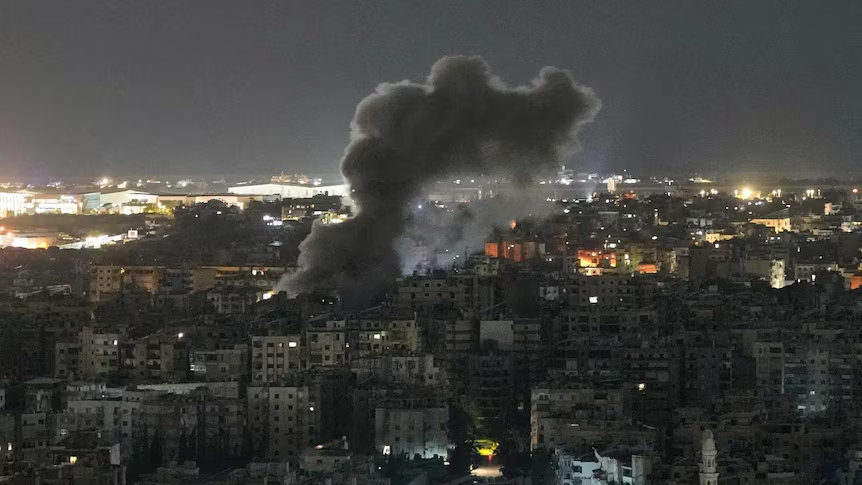
British coverage has also focused on the role played by Islamabad. The Independent reports that Pakistan’s army chief Asim Munir, alongside Prime Minister Shehbaz Sharif, played a central role in brokering the ceasefire.
Analysts suggest that Pakistan, with tacit support from China, applied sustained diplomatic pressure on Washington. The warning was clear: continued escalation risked destabilising a neighbouring nuclear-armed state through refugee flows and sectarian tensions.
This intervention is widely seen as part of a broader shift, with regional actors exerting greater influence and limiting the scope of unilateral US action.
What Comes After the Ceasefire?

In an analysis published by Le Monde, Trump’s approach is described as a form of coercive diplomacy—effective in the short term, but potentially destabilising over time. The key question now is what follows the 14-day pause.
A rapid deal: Some analysts believe Trump is aiming for a swift, high-profile agreement that can be presented domestically as a political success, even if it lacks long-term guarantees.
Renewed escalation: Analysts at BBC caution that Iran may use the ceasefire period to reposition assets and strengthen regional networks. This raises the risk that the pause becomes a prelude to further confrontation rather than a path to stability.
No Clear Resolution
Editorial consensus across major Western outlets published between the evening of 7 April and the morning of 8 April 2026 suggests there is no clear military victory. The 39-day conflict has reinforced the limits of force in addressing complex regional crises.
For now, the ceasefire offers a brief period of relief. However, uncertainty surrounding US strategy—and the absence of a binding long-term framework—means the situation remains fluid. The underlying tensions have not been resolved, and the possibility of renewed escalation continues to shape both political and market expectations.