

How Can You Protect Your Home and Family from Lithium Battery Fires?
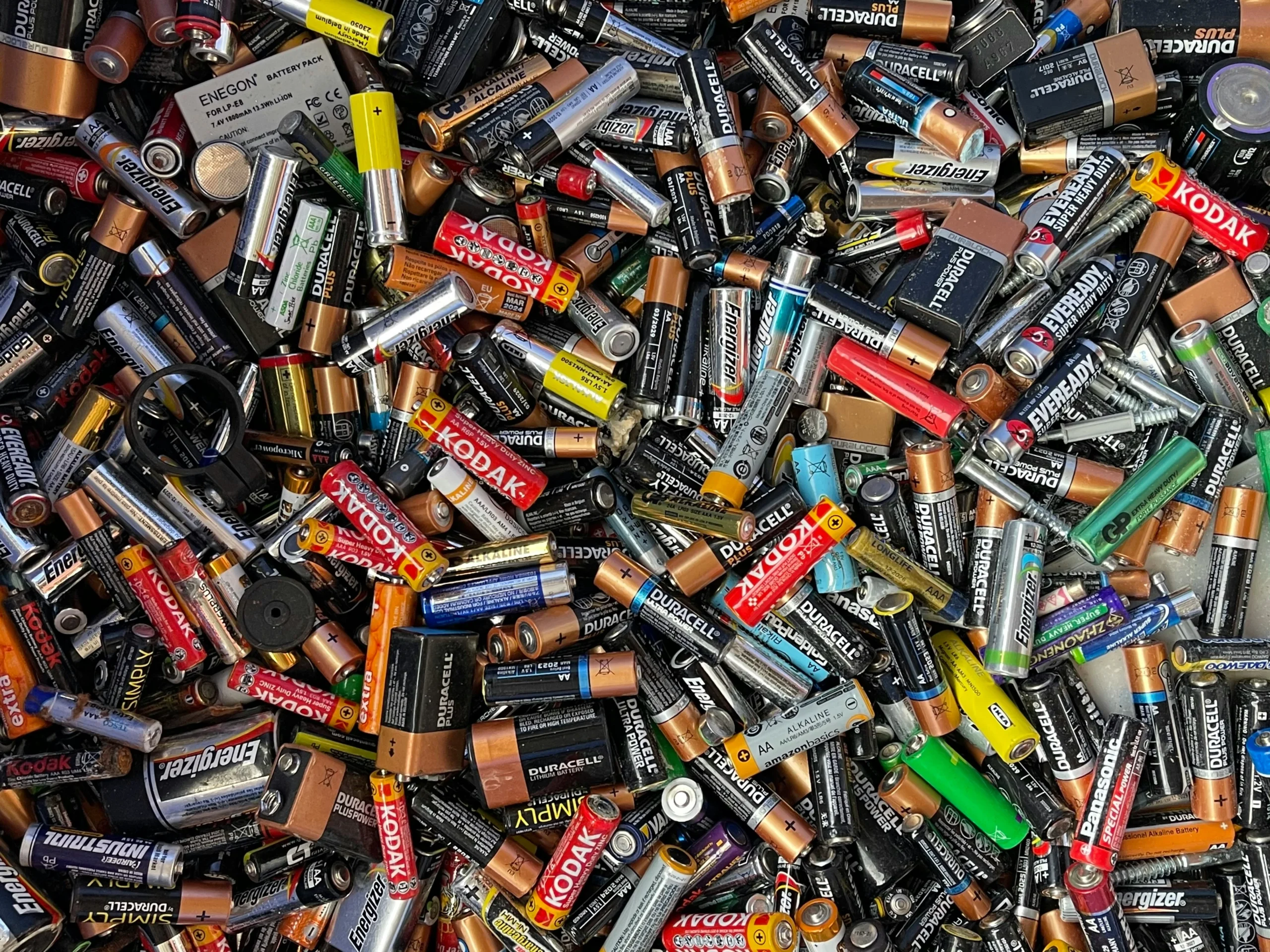
Lithium-ion batteries have become an essential part of everyday life. They are widely used in smartphones and electronic devices, as well as in the increasingly popular electric bikes and e-scooters.
However, unsafe handling of these batteries — particularly using incompatible chargers or leaving devices charging unattended — can lead to fast-moving and potentially dangerous fires inside the home.
One of the main risks is a phenomenon known as “thermal runaway”, in which the battery’s temperature rises rapidly, potentially triggering a chain reaction that can result in a fire or explosion.
What are the main risks of lithium batteries at home?
The risks associated with lithium-ion batteries increase when they are used or charged improperly. The main hazards include:
- Thermal runaway: The battery may heat up suddenly, triggering a chain reaction that can result in a fire or explosion.
- Rapid fire spread: Lithium battery fires can be intense and spread quickly.
- Unsafe charging: The risk increases when devices are left charging overnight or while people are asleep, or when they are charged in unsuitable locations.
Warning signs that mean you should stop using the battery
Pay attention to any unusual changes in the battery or device. Stop using it and disconnect it from the power supply if you notice signs of a possible fault.
Key warning signs include:
- A swollen battery or device: Any swelling or deformation of the battery casing.
- Unusual noises: Such as clicking, popping or buzzing sounds coming from the battery.
- Unusual smells: A strong or unusual chemical smell coming from the device.
- Excessive heat: The battery becoming unusually hot during use or charging.
- Significantly slower charging: The battery taking much longer than usual to charge fully.
How can you reduce the risk of battery fires at home?

There are several simple steps you can take to reduce the risk of lithium-ion battery fires, particularly when using electric bikes and e-scooters.
Use approved chargers and batteries: Use original or manufacturer-approved accessories and avoid cheap or counterfeit chargers and batteries.
Do not leave devices charging while you sleep: Avoid charging e-bikes, e-scooters and other devices overnight or when there is no one available to monitor the charging process.
Choose a safe place for charging: E-bikes and e-scooters should be charged in a well-ventilated area, away from bedrooms, hallways and escape routes or stairways that could obstruct your exit in the event of a fire.
What should you do if a battery catches fire?
If a fire breaks out involving a lithium-ion battery, do not attempt to put it out yourself.
Leave the area immediately, move away from the source of the fire and contact the emergency services for help.
Most importantly, do not put yourself or your family at risk by attempting to deal with the fire, particularly because lithium battery fires can spread rapidly.
Read More:
ShortURL ⬇