

Analysis: The honeymoon is ending – Burnham’s government moves from popular wins to the cost of governing
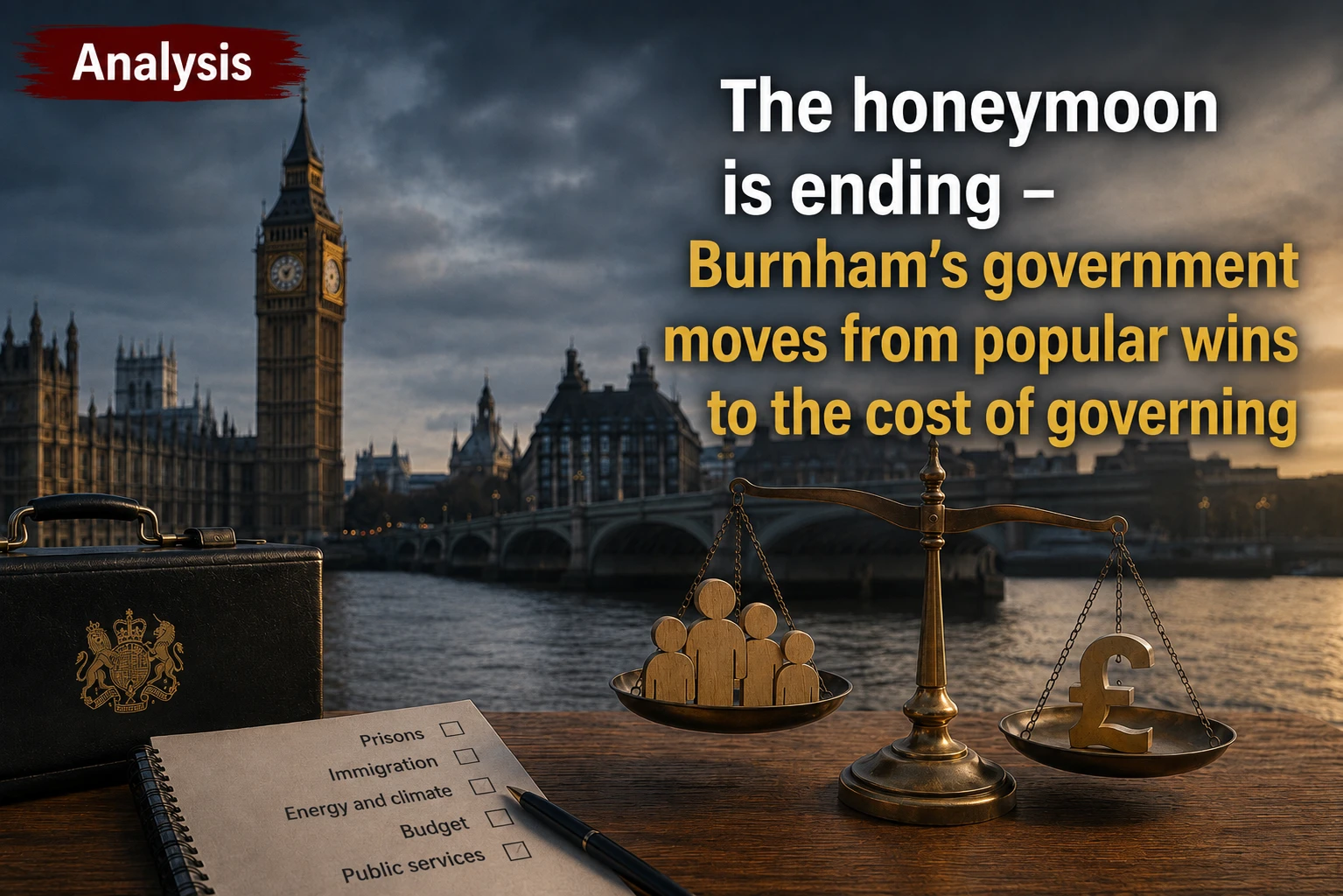
It took Andy Burnham only a few days after entering Downing Street to put his stamp on the new government: cutting the tax on electricity bills, restoring the £2 cap on single bus fares, reducing business rates for pubs, clubs and live music venues, then moving against misleading discounts and subscription traps.
The message was simple and easy to grasp: the new government wanted to do things people would feel quickly in their everyday lives. Burnham himself described the strategy as an accumulation of “smaller things” that, taken together, could ease the pressure on households.
But less than a month into his premiership, the questions landing on his desk are beginning to change.
The problem with those first decisions is that, politically at least, they were easy things to say yes to: lower bills, cheaper buses, help for pubs and a crackdown on commercial practices that almost nobody is prepared to defend in public.
The issues now moving to the foreground offer no such luxury. On prisons, migration, energy, the budget and even the future of the water companies, almost every solution comes at a cost. Every concession to one group creates a problem for another. And every promise eventually runs into the same questions: how will it be paid for, is it legally possible, and does the state actually have the capacity to deliver it?
That is what the end of the honeymoon really means for Burnham’s government. It does not necessarily mean the public has turned against it. It means the phase in which political gains could be accumulated relatively easily is giving way to something harder: governing as a process of choosing between competing priorities and conflicting demands.
Prisons: when a popular decision collides with the limits of the system
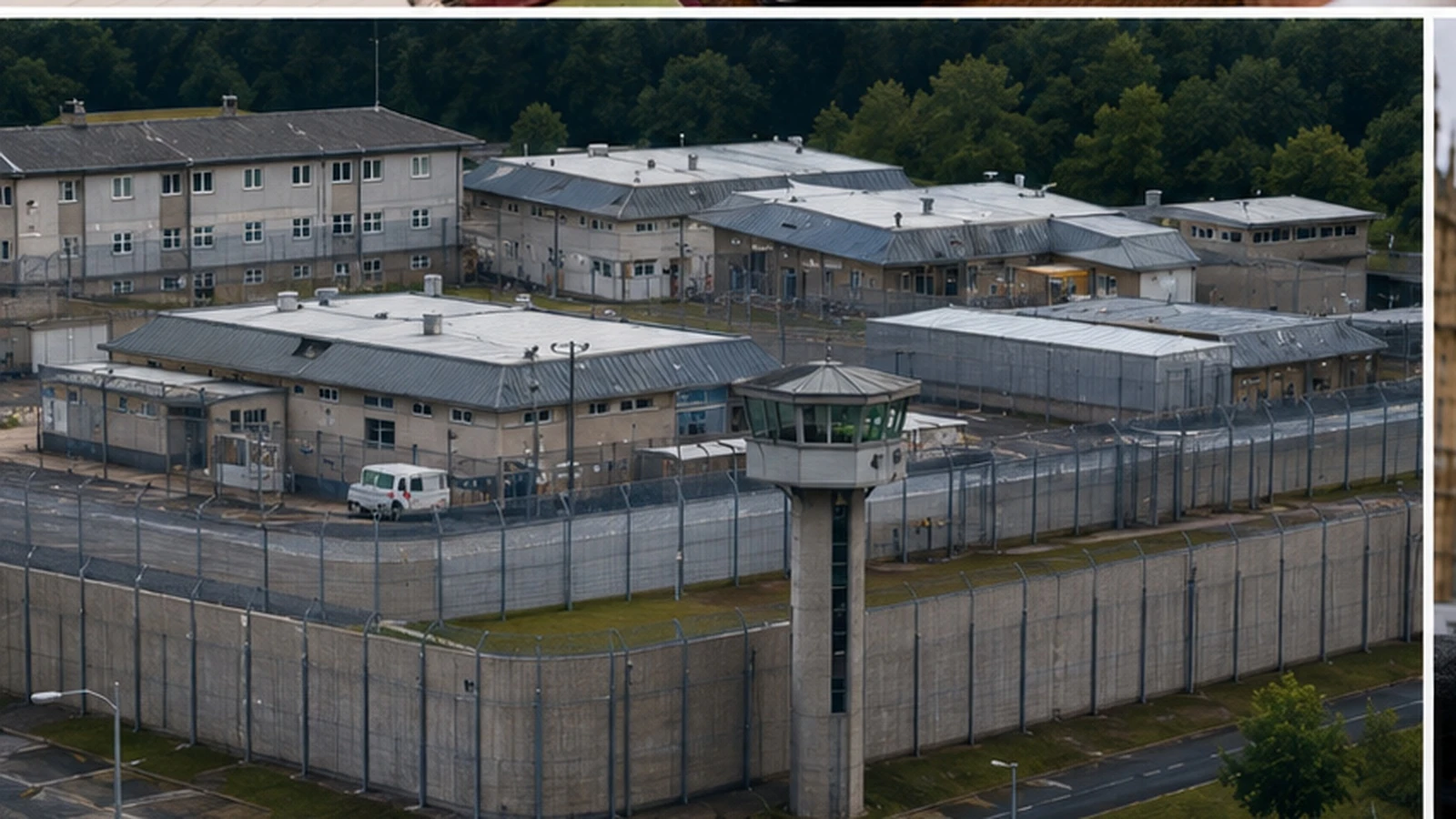
The prison crisis may be the clearest example of that shift.
It is not difficult, politically, to understand the anger of PC Andrew Harper’s family and the wider public at the prospect of some of those convicted over his killing being released early. Nor is it difficult for a prime minister to say that people responsible for serious crimes should not leave prison before completing their sentences.
But the state faces another problem, one much less amenable to slogans: the prisons are full.
The inherited early-release plan is intended to free about 5,000 prisoners over 10 months from October to create desperately needed space. After Burnham intervened, those convicted of rape and some serious sexual offences against children were excluded, reducing the expected number of releases by about 1,000. Prison officials have warned that adding further exemptions could simply mean another round of early releases later, because the underlying problem – the shortage of prison places – has not disappeared.
And here lies the dilemma that did not exist when the government cut the bus fare cap to £2.
If ministers decide that more dangerous offenders must remain behind bars, they need somewhere to keep them. If new prison places cannot be built quickly enough, who gets released instead?
The crisis also intersects awkwardly with one of Burnham’s earliest promises. He made ending rough sleeping a priority from his first speech, yet about one in six prisoners released over the past year left custody without settled accommodation. Increasing releases could therefore export part of the prison crisis on to the streets, while simultaneously undermining another policy the government has promised to deliver.
That is the kind of governing dilemma that cannot be reduced to a single popular announcement. Sometimes the question is not which decision is right, but which problem a government is prepared to live with in order to solve another.
The October budget: when the bill arrives
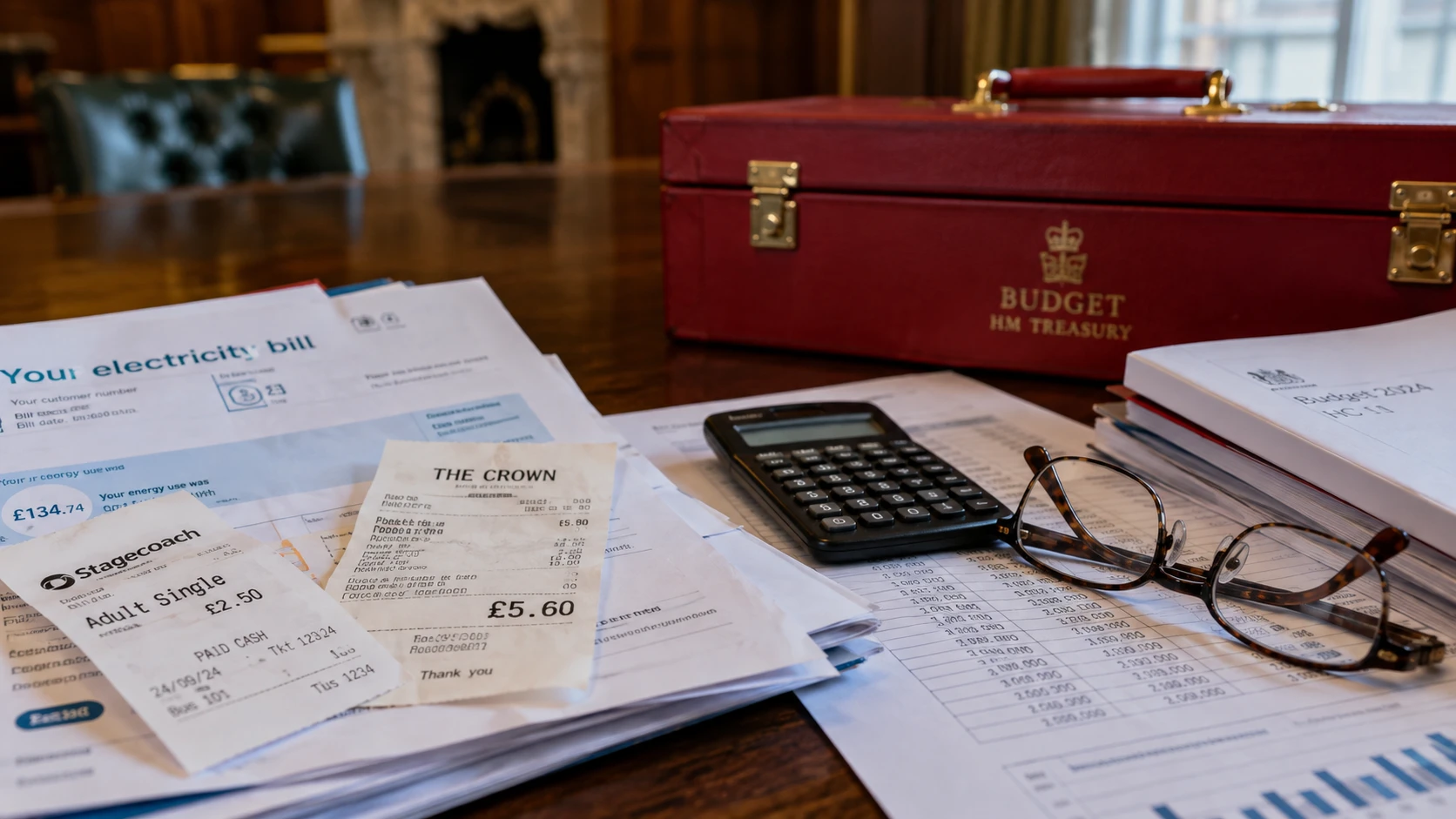
If prisons expose the limits of the state’s administrative capacity, the 28 October budget will expose the limits of its finances.
So far, Burnham has been able to unveil a series of measures with an immediate and visible effect: scrapping VAT on electricity, capping bus fares and easing business rates for some firms. But he has already begun acknowledging that the government has little fiscal room to spare, saying this week that he faces a “difficult fiscal outlook” and will not make promises he cannot fund.
And the new government is not starting with a blank sheet.
It has inherited a gap of about £4.7bn in planned defence spending at a time when Britain wants to increase military expenditure and meet its Nato commitments, while Burnham and the chancellor, John Healey, have pledged to stick to the existing fiscal rules.
This is where the more demanding test of Burnham’s economic vision begins.
He wants a more active state in housing, water, energy and transport. He wants to ease the cost of living, increase investment and protect public services, while avoiding a return to broad tax rises or opening the door to uncontrolled borrowing.
Those ambitions can coexist in a political speech. A budget is less accommodating.
In October, every priority will become a number, every promise a spending line and every tax cut money that has to be found somewhere else. The question will no longer be what Burnham’s government wants to do, but what it considers important enough to pay for – and what it is prepared to delay, scale back or abandon.
Migration: sharing the burden does not remove the cost
The same trade-offs are emerging over asylum accommodation.
Burnham has made a difficult argument to dismiss: poorer communities, where rents are cheaper, should not continue to shoulder a disproportionate share of housing asylum seekers.
The government is therefore considering raising the amount the Home Office can pay to rent private accommodation, allowing asylum seekers to be dispersed across a broader and more affluent range of areas rather than concentrated in cheaper neighbourhoods. It also wants to reduce reliance on hotels and make use of some former military sites.
But making the distribution fairer does not make the problem disappear.
If the government pays higher rents, the cost to the Treasury rises. If it places asylum seekers in areas that have previously accommodated relatively few, it will encounter new local opposition. And if it continues relying heavily on cheaper areas, it leaves the pressure concentrated in communities that already believe they are carrying an unfair share of the burden.
Again, there is no answer that allows the government to satisfy everyone.
The test for Burnham will not be whether he can say that “everyone must play their part”, but whether he can decide how that responsibility should be shared, who should bear its cost, and how an attempt at greater geographical fairness can avoid becoming another political conflict over migration and housing.
The North Sea: when climate is no longer just an activists’ issue
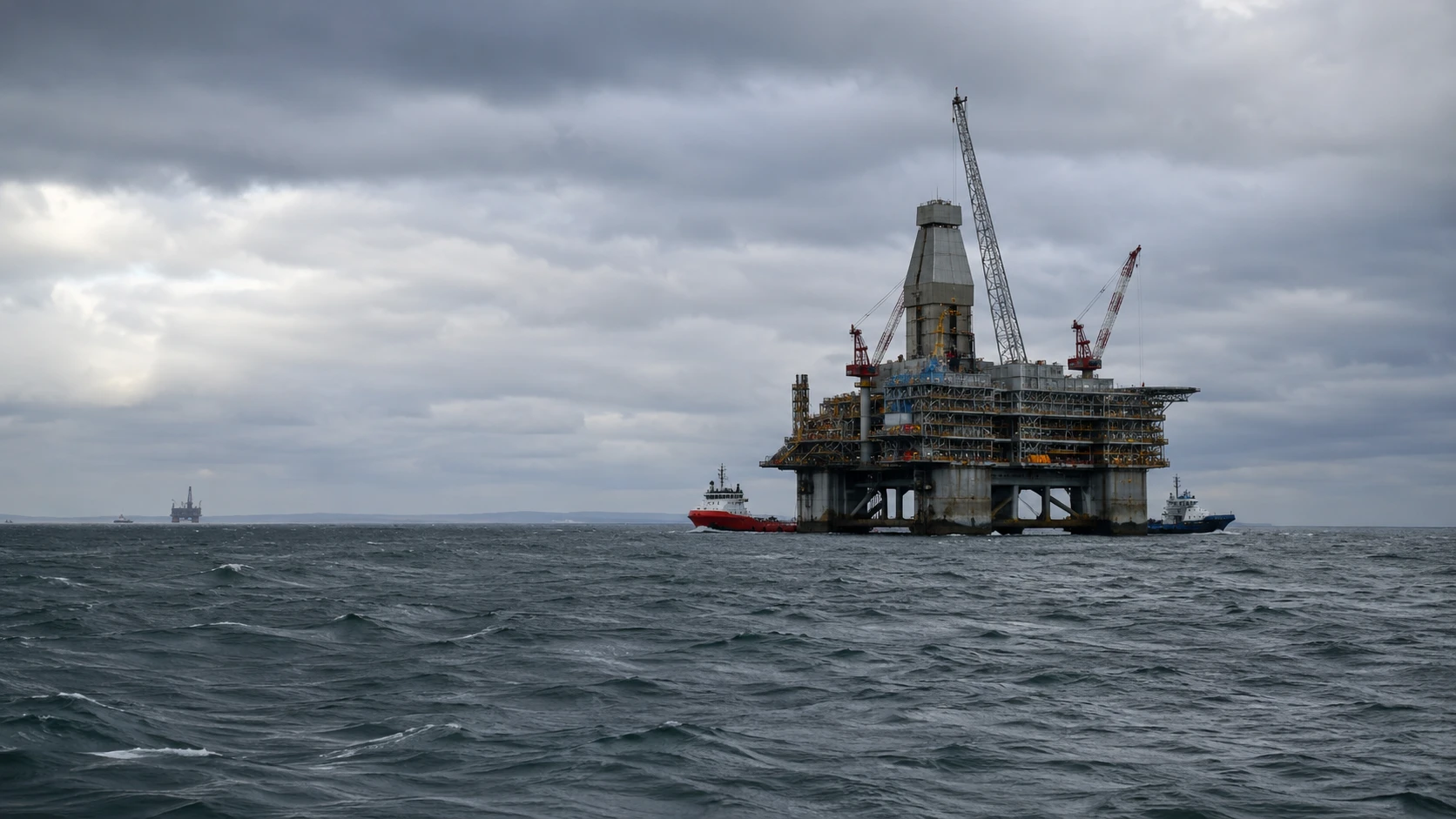
But the fate of the Rosebank and Jackdaw oil and gas fields may provide the most complicated test of Burnham’s governing philosophy.
The prime minister has spoken of taking a “pragmatic” approach to North Sea oil and gas, while the two projects, stalled after legal challenges, await fresh decisions that could allow their development to proceed. Business groups and trade unions are pressing the case for using North Sea resources to support jobs, industry and energy security – all objectives that fit comfortably with Burnham’s promise to reindustrialise the British economy.
A few years ago, it might have been easy to present this as a straightforward clash between industrial interests on one side and environmental campaigners demanding an end to oil and gas on the other.
The summer of 2026 has made that distinction much harder to sustain.
England and Wales recorded their driest July since records began. England received only about 10% of its usual rainfall for the month, more than 70% of the country entered drought conditions and tens of millions of people faced restrictions on water use.
That came after repeated spells of unusually hot weather, followed by widespread fires and direct effects on farming, water supplies, health and everyday life. The government itself was forced to convene an emergency Cobra meeting to deal with the heatwaves, drought and fires, before announcing additional support for drought-hit farmers.
More importantly, the summer appears to have left a mark on public opinion. An Ipsos poll published in August found that 74% of Britons were worried about climate change, up from 69% before the summer, while 56% said extreme weather had disrupted everyday activities such as working, sleeping or exercising to some degree.
For many people, in other words, the cost of climate change is no longer a graph showing temperatures in 2050, or an issue belonging primarily to environmental groups. This summer it has been visible in parched fields, water restrictions, fires, homes that are difficult to cool, and anxiety over crops and food prices.
That makes Burnham’s language of “pragmatism” much harder to put into practice.
Approving Rosebank and Jackdaw can be defended in terms of North Sea jobs, energy security and the need for a transition that does not devastate communities dependent on the oil and gas industry. But the decision would come after a summer in which voters have seen, directly, another side of the cost of continued dependence on fossil fuels.
Rejecting the projects would raise the opposite question: how can a government talk about reindustrialisation, energy security and protecting industrial jobs while ruling out resources that already exist in the North Sea?
This is no longer simply a confrontation between Burnham and climate campaigners. It is a collision between objectives Burnham himself believes in: industry, jobs and energy security on one side; the green transition and a response to climate risks that are increasingly present in voters’ daily lives on the other.
When decisions are easy, a government can promise both. On Rosebank and Jackdaw, it may have to decide which comes first.
Thames Water: when “public control” becomes a financial decision
A similar test, albeit in a different form, is looming over the future of Thames Water.
Burnham has spoken at length about the need for the state to regain greater control over essential services, and before entering Downing Street he argued that public ownership might be the best solution for the heavily indebted company.
Being in government turns that principle into a practical question. Should the company be nationalised? Or should ministers accept a creditor-led rescue plan with stronger public oversight? And what financial and legal risks would either option create?
Creditors have already proposed giving the state a “golden share” and greater powers in return for avoiding nationalisation, while some have threatened legal action if the government opts to take the company into public ownership.
There is no need to drown this issue in billions of pounds of debt and the minutiae of restructuring for it to make the larger point. It illustrates the distance between an attractive slogan such as “restoring public control” and the moment when a government must decide what that control actually looks like, what it costs and who carries the risk.
From the politics of addition to the politics of choice
During his first weeks, Burnham was able to present politics as a process of addition: lower bills, cheaper buses, more support for communities, greater public control, more investment and a fairer economy.
The next phase will be less generous.
Prisons will force him to choose between demands for justice and the physical capacity of the system. Migration will pit a fairer distribution of responsibility against cost and local consent. North Sea decisions will test whether reindustrialisation can be reconciled with climate policy. The budget will turn all those tensions into numbers that cannot be wished away. And Thames Water offers a smaller-scale example of what happens when the promise of a more active state moves from the platform to the balance sheet.
None of this necessarily means Burnham’s fast start was a deceptive “honeymoon”, or that his first decisions were without value. The opposite may be true: he deliberately began with tangible measures that the government could deliver and voters could quickly feel.
But governing is not measured only by a prime minister’s ability to find policies people like. The harder moment comes when desirable choices begin to conflict with one another, and fulfilling one promise means compromising another or accepting an obvious political and financial cost.
After the opening weeks, Burnham’s challenge is no longer to prove that his government is different from the one that came before it. He has largely succeeded in creating that impression.
The challenge now is to show that his vision can remain coherent when the cost of putting it into practice begins to appear.
That is precisely where the politics of popular decisions ends – and governing begins.
Read more:
ShortURL ⬇