

Can Advertising Campaigns Make Up for the British Army’s Severe Personnel Shortage?
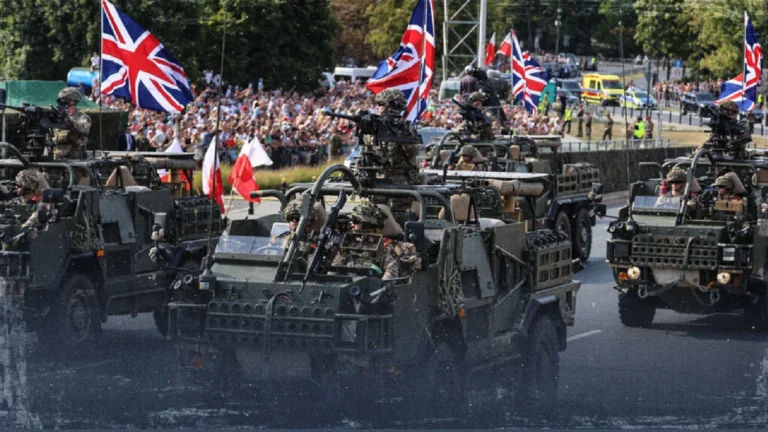
On the streets of British cities, across social media platforms, and in train and bus stations, British Army advertisements carrying the slogan “Be the Best” have become one of the most visible government campaigns. Their aim is clear: to attract a new generation of recruits to the armed forces.
Behind this large-scale marketing campaign, however, lies a much deeper challenge—declining troop numbers, rising defence costs, and growing global security threats—all of which raise serious questions about Britain’s ability to maintain its traditional status as one of the world’s leading military powers.
These efforts come at a time when the British government believes the country is facing its most dangerous security environment since the end of the Cold War. The ongoing Russia–Ukraine war, escalating tensions in the Middle East, growing cyber threats, and intensifying military and technological competition among major powers have all contributed to this assessment.
Why Did the British Army Launch the “Be the Best” Campaign?

The British Armed Forces launched the “Be the Best” campaign to reshape the traditional image of military service and highlight the career opportunities, technical training, and personal development the armed forces can offer.
Unlike previous recruitment campaigns, it targets young people with a modern message, emphasizing technical and leadership skills, educational opportunities, and professional qualifications. The campaign is particularly aimed at attracting recruits in fields such as cybersecurity, artificial intelligence, drone operations, and advanced military technology.
According to the UK Ministry of Defence, applications to join the armed forces have improved over the past two years. However, this increase still falls short of what is needed to offset the long-term decline in military personnel.
A Growing Personnel Crisis
Manpower has become one of the British Army’s greatest challenges.
Over recent decades, Britain’s armed forces have undergone repeated rounds of downsizing and restructuring in an effort to reduce costs and improve operational efficiency. While these reforms achieved financial savings, they also significantly reduced the size of the military.
Today, the British Armed Forces—both regular and reserve—number around 180,000 personnel, while the regular British Army has fewer than 75,000 soldiers, one of its lowest levels in more than two centuries.
The challenge extends beyond recruitment. Retaining experienced personnel has become increasingly difficult, as the private sector offers higher salaries, more predictable working hours, and greater long-term career stability.
Changing priorities among younger generations, rising living costs, and declining enthusiasm for military service compared with previous generations have further complicated recruitment efforts.
A More Dangerous World and a Smaller Army

The paradox facing London today is that troop numbers are shrinking just as security risks are increasing.
The war in Ukraine has returned large-scale conventional warfare to Europe—something many believed belonged to history. This is the assessment adopted by the current government and echoed by sections of the opposition, defence lobbying groups, and the military-industrial sector.
Others, however, argue that these threats are being exaggerated to justify higher military spending and preserve Britain’s permanent position on the United Nations Security Council.
At the same time, the government points to the growing number of cyberattacks targeting government institutions and critical infrastructure, as well as continuing instability in the Middle East, as direct threats to British interests.
Critics note that cyber threats could instead be addressed through greater civilian investment involving private companies, universities, and partnerships with European security institutions—an approach that has already been underway for several years.
Britain is also closely monitoring China’s expanding military capabilities and security developments in the Indo-Pacific region, which have become increasingly important to British strategic planning.
For this reason, the government’s Strategic Defence Review concludes that Britain requires armed forces capable of deploying more rapidly and conducting multi-domain operations across land, sea, air, and cyberspace, particularly in Southeast Asia and the Middle East.
John Healey’s Resignation and Dan Jarvis’s Appointment
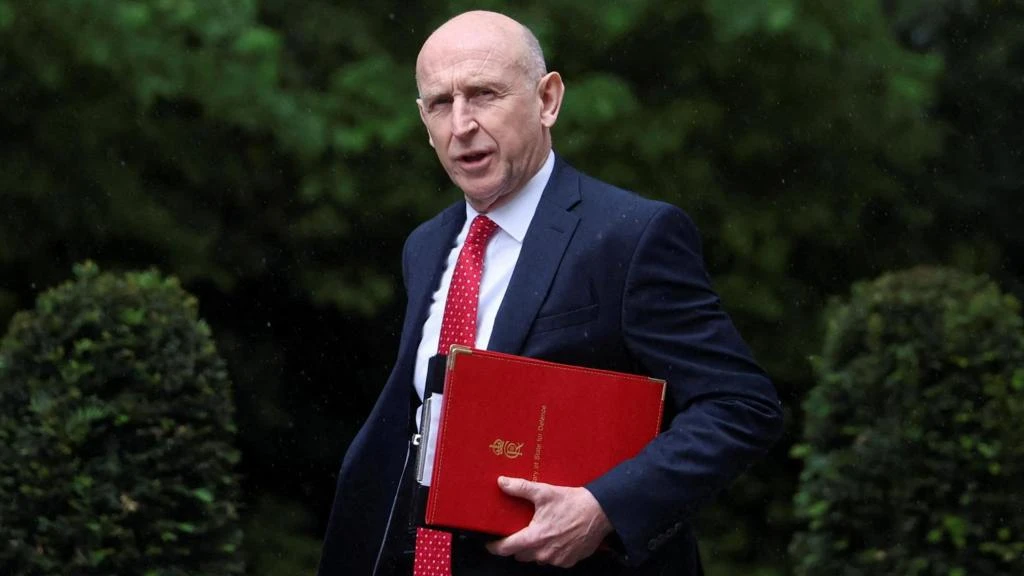
Recent political developments have added another dimension to the debate over the future of Britain’s armed forces.
In June 2026, former Defence Secretary John Healey resigned following disagreements within the government over the level of defence spending required in the coming years.
According to British political reports, the dispute centred on how quickly defence spending should increase and whether the government could provide the resources needed to modernise the armed forces.
Following his resignation, Dan Jarvis, a former British Army officer and former Security Minister, was appointed Defence Secretary—a move many observers viewed as an attempt to rebuild trust between the government and the military.
Jarvis now faces the difficult task of balancing domestic economic pressures with the need to strengthen Britain’s military capabilities amid an increasingly complex international environment.
How Much Does Britain Spend on Defence?
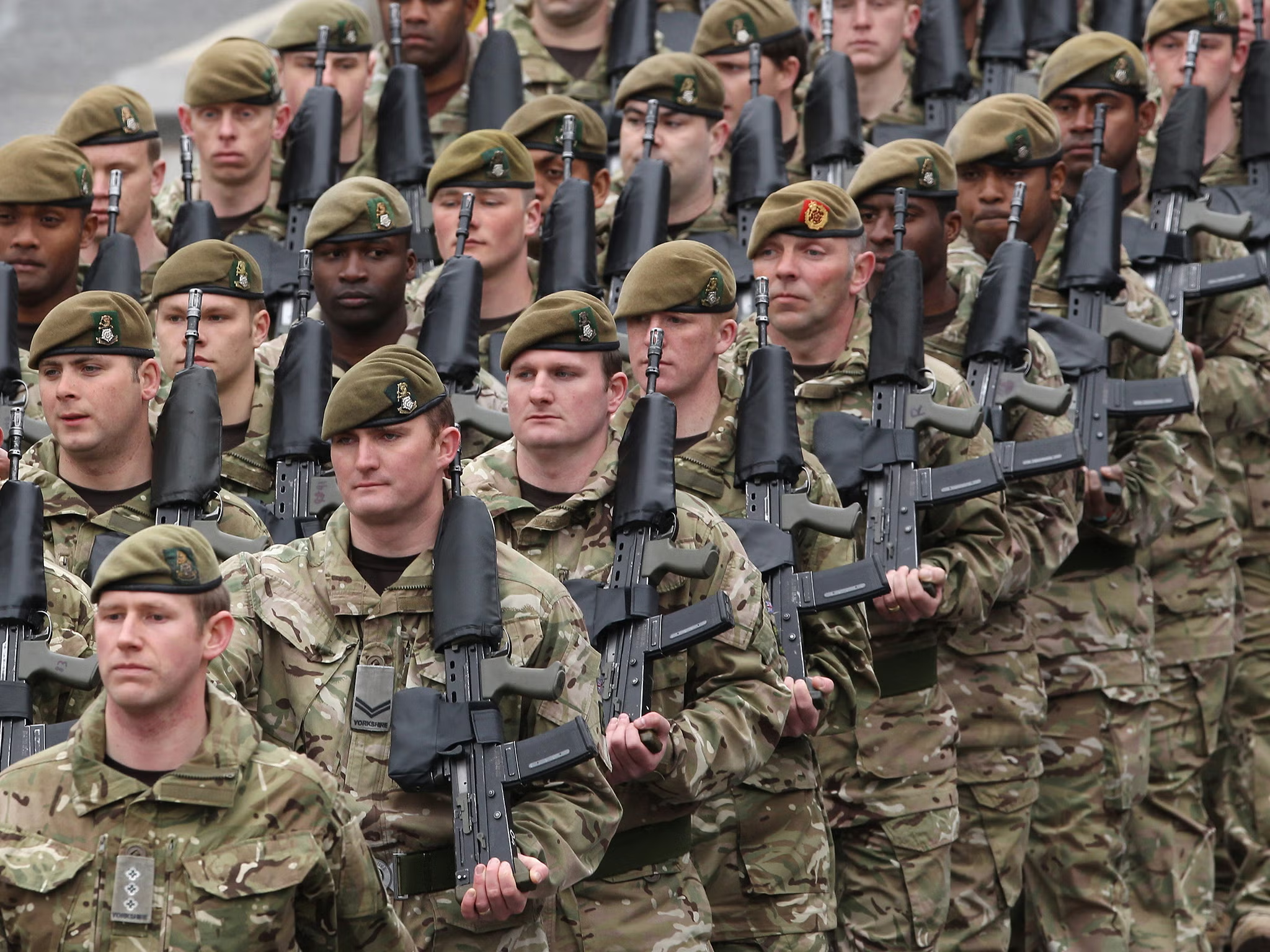
The United Kingdom remains one of Europe’s—and the world’s—largest military spenders.
Under current government plans:
- British defence spending exceeded £60 billion during the 2024–2025 financial year.
- It rose to more than £62 billion in 2025–2026.
- It is expected to exceed £73 billion by 2028–2029.
- The government aims to raise defence spending to 2.5% of GDP over the coming years.
- There is also discussion of increasing it to 3% of GDP if current security threats persist.
A significant share of this funding is allocated to modernising Britain’s nuclear deterrent, upgrading the Royal Air Force, building new warships, strengthening air and missile defence systems, and investing in cyber and advanced technological capabilities.
How Does Britain’s Defence Budget Compare with Other Major Powers?
Despite the size of Britain’s military budget, a considerable gap remains between the UK and the world’s largest military powers.
United States: The world’s largest defence spender, with annual military expenditure exceeding $900 billion—more than ten times Britain’s spending.
China: The second-largest military spender, with annual defence expenditure exceeding $240 billion, while continuing to increase its military budget each year.
Russia: Despite Western sanctions, Russian military spending has risen to more than $140 billion annually because of the war in Ukraine.
Germany: German defence spending has surpassed $90 billion, driven by Berlin’s major rearmament programme launched after the outbreak of the Ukraine war.
France: France spends between $65 billion and $70 billion annually on defence while continuing to modernise its nuclear, naval, and air forces.
That said, military expenditure cannot be assessed solely through annual budgets. Manufacturing costs, raw materials, the structure of defence companies—whether publicly or privately owned—and the size of a country’s industrial base all influence its true military output.
China, for example, may spend only around a quarter of what the United States spends annually, yet still produce military equipment and manpower on a scale that could exceed publicly reported American output.
United Kingdom: Britain’s defence budget currently ranges between $80 billion and $85 billion, depending on exchange rates, placing it among the world’s ten largest military spenders.
Where Does the British Army Rank Among the World’s Strongest Militaries?

Despite recruitment and funding challenges, the British Army continues to rank among the world’s leading military forces.
Most international military rankings place it within the world’s top ten, typically between fifth and seventh place.
This position is supported by several key strengths:
- A strategic nuclear deterrent.
- Permanent membership of the United Nations Security Council.
- An advanced naval fleet centred on the aircraft carriers HMS Queen Elizabeth and HMS Prince of Wales.
- Advanced F-35 and Typhoon fighter aircraft.
- Special forces regarded among the world’s finest.
- A global network of military bases and overseas deployments.
- A central role within NATO.
However, many defence experts warn that continued declines in personnel numbers could eventually undermine Britain’s ability to make full use of these advanced capabilities.
Are Advertising Campaigns Enough?
Most military experts believe that advertising campaigns—regardless of how well designed they are—cannot solve the recruitment crisis on their own.
The success of any recruitment campaign depends on a broader range of measures, including:
- Higher salaries and improved incentives.
- Better housing and support services for service personnel.
- Faster recruitment and training procedures.
- Improved working conditions.
- Stronger post-service career opportunities.
- Addressing the loss of experienced personnel.
As a result, the “Be the Best” campaign may succeed in increasing public interest in military service and generating more applications, but it is unlikely to resolve a recruitment crisis that has developed over many years.
This raises another question: Could Britain eventually recruit personnel from other countries, as the United States did during the 2003 invasion of Iraq? At that time, around 3% of the U.S. military—approximately 32,000 soldiers—were non-American citizens.
Such an approach would almost certainly face significant political and public opposition in Britain, particularly given the growing influence of the political right.
The Future of the British Army

The British Army now stands at a critical point in its modern history.
On one hand, the government is seeking to strengthen military capabilities and increase defence spending in response to a more unstable world.
On the other, the armed forces face continuing challenges stemming from declining personnel numbers and the rising costs of military modernisation.
Britain’s ability to maintain its position as one of the world’s leading military powers will therefore depend not only on defence spending or advanced weapons systems, but also on its ability to attract, develop, and retain skilled personnel.
Despite these challenges, several important factors should not be overlooked, as they continue to make Britain a significant latent military power despite its current limitations.
For example, Britain currently possesses only around 280 main battle tanks, compared with approximately 5,000 Russian tanks—both modern and older models in storage—and around 4,600 U.S. M1 Abrams tanks.
Among Britain’s enduring strengths are:
First: Advanced technological expertise and a substantial industrial base capable of supplying weapons, ammunition, and military equipment whenever required.
Second: A large human resource base. During previous world wars, Britain mobilised nearly 13% of its population for military service. Based on today’s population, this could potentially amount to approximately 9 million soldiers if required.
Third: Britain remains a major nuclear power, relying on its Vanguard-class ballistic missile submarines, which operate continuously at sea and provide a highly survivable nuclear deterrent by making their location extremely difficult for adversaries to determine.
Fourth: Britain relies heavily on military alliances and the capabilities of allied nations. When a British carrier strike group deploys, it is frequently accompanied by escort and support vessels from allied countries such as New Zealand, Australia, and the Netherlands.
Even with these latent strengths, the central question posed by the “Be the Best” campaign remains unanswered:
Can advertising campaigns attract enough recruits to solve the British Army’s personnel shortage, and what additional measures will be required to close this gap? Or is the problem simply too deep to be solved by even the most effective marketing campaign?
Read More:
ShortURL ⬇