

Elegance and Human Cognition: How Clothing Shapes Your Personality and Behavior
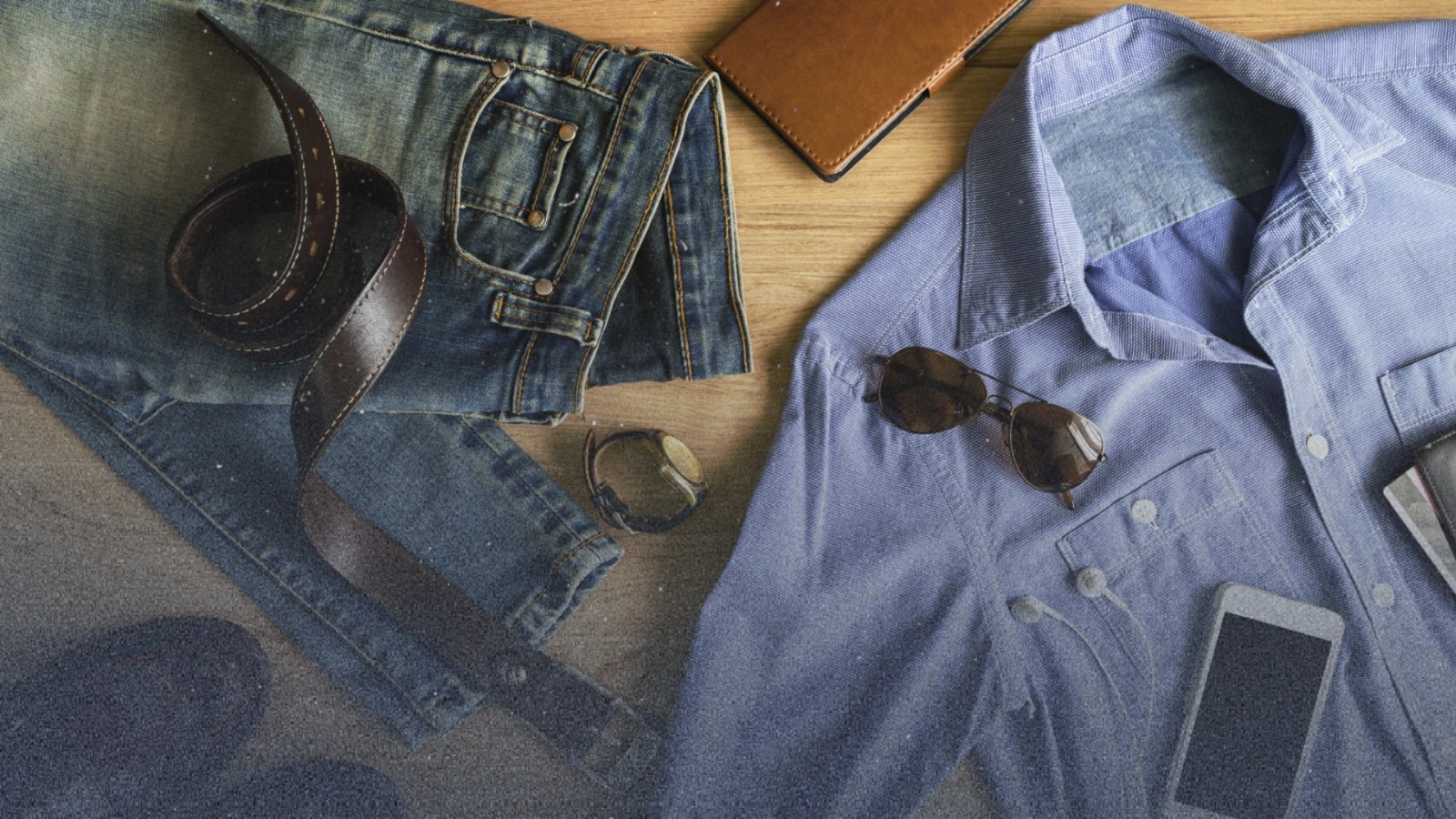
In an era where lifestyles are accelerating and challenges related to identity and integration are increasing, clothing is no longer merely an aesthetic detail or a passing consumer choice. It has become part of the very structure of human cognition itself. According to modern psychology, what we wear does not only influence how others perceive us; it also shapes the way we think, our level of self-confidence, and our daily performance at work, in education, and in social life.
From here emerges an important scientific concept known as “Enclothed Cognition”, which has opened a new window for understanding the relationship between outward appearance and the human psychological structure, and has redefined “elegance” as a mental and behavioral state before being an external appearance.
First: Enclothed Cognition
In a well-known academic study published in 2012, researchers Adam and Galinsky presented a striking experiment that reshaped our understanding of clothing’s impact on behavior. The results showed that participants who wore a white coat told to be a doctor’s coat demonstrated higher levels of attention and focus compared to others.
What is remarkable about this study is that the effect was not linked to the coat itself, but rather to the symbolic meaning associated with it in the person’s mind. When the same coat was described as belonging to a painter, or when it was not worn at all, the cognitive effect almost completely disappeared.
What does this finding reveal?
- Clothing is not a silent material object; it carries powerful psychological symbols
- The brain responds not only to appearance, but to the “social meaning” of clothing
- Behavior can change based on what we believe we are representing
In a deeper sense: a person is not only seen through what they wear, but is also internally reshaped by it.
Second: True Elegance Is Not a Financial Privilege
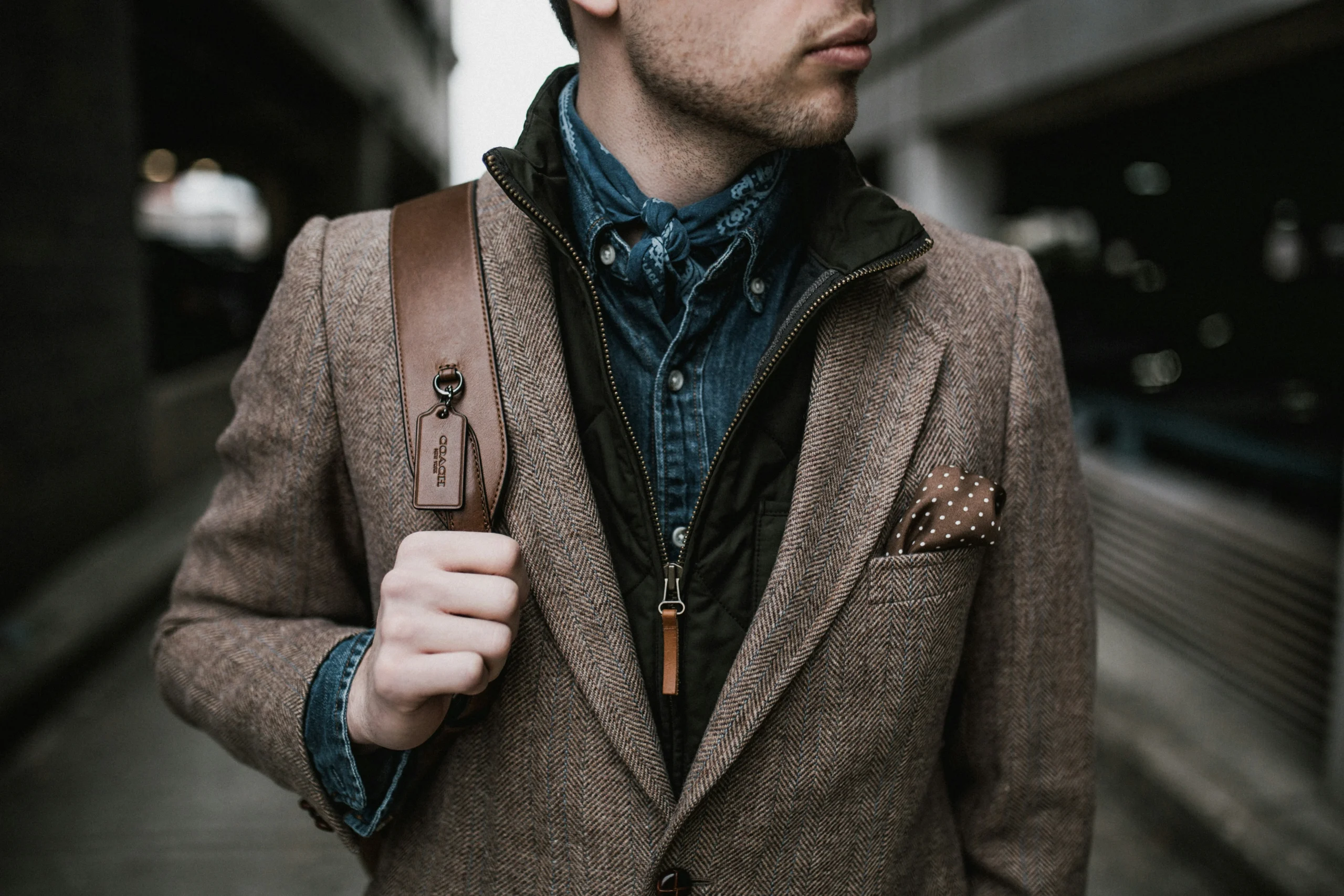
In modern societies, especially among residents in the West, the concept of elegance is sometimes confused with brands and purchasing power. However, daily experience reveals a simpler and deeper truth: true elegance begins with behavior before appearance, and with awareness before cost.
At its core, elegance is built on four fundamental pillars:
- Order
- Cleanliness
- Attention to detail
- Self-respect and respect for space
A fundamental rule
A simple piece of clothing—clean, well-ironed, and properly fitted—can appear more presentable and dignified than an expensive item that is poorly coordinated or neglected.
Third: Sustainable Elegance Rules in Daily Life
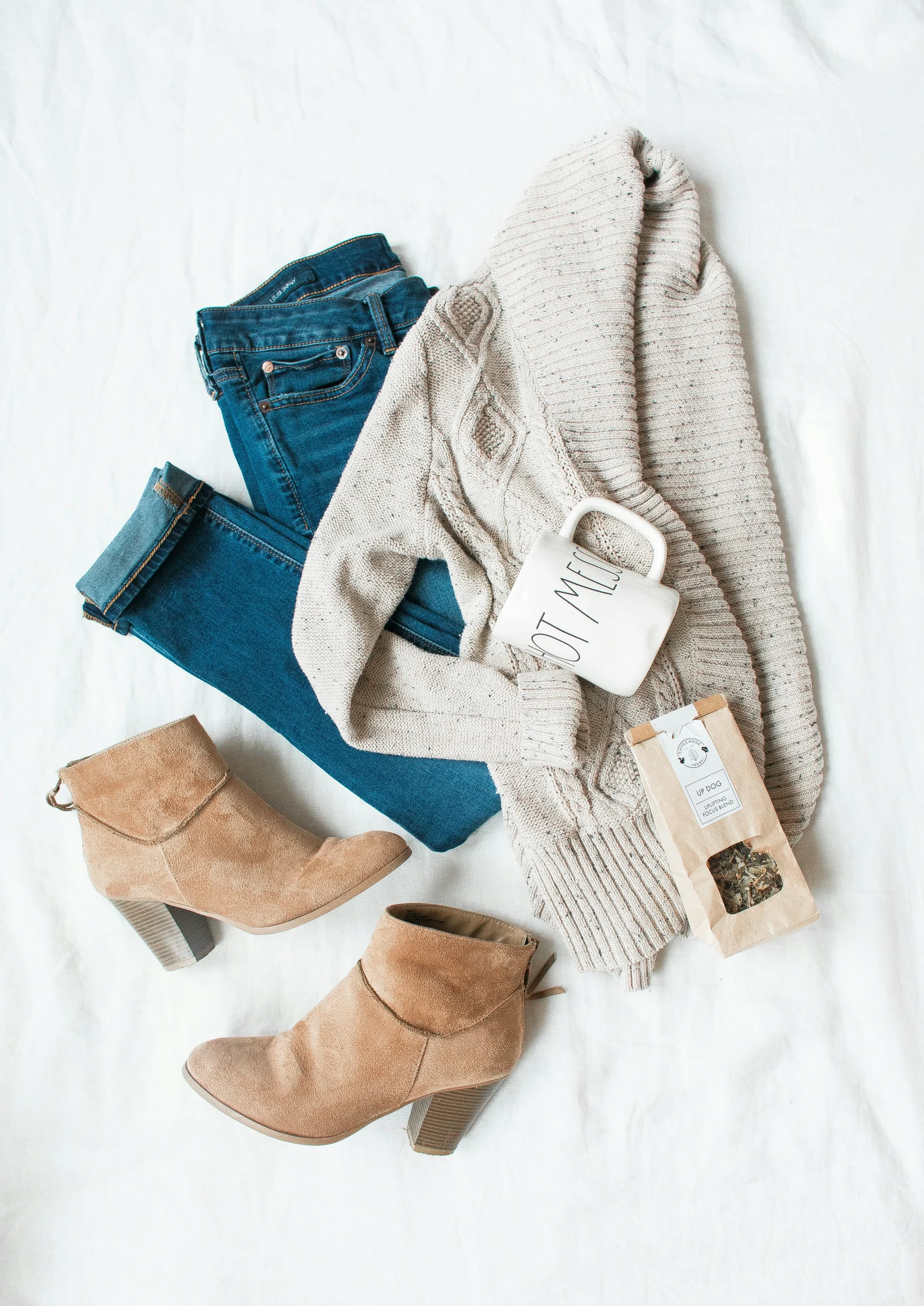
1. Order and Cleanliness: First Impressions Are Not Given Twice
In Western environments, where social judgments are made quickly, small details become decisive:
- Clean and well-ironed clothes
- Neat and clean shoes
- Attention to personal scent
These elements, despite their simplicity, form a non-verbal language of discipline and respect.
2. Proper Fit: The Difference Between Clothing and Personality
Clothing is not measured by price alone, but by how it sits on the body:
- Excessive tightness creates visual tension and discomfort
- Excessive looseness reduces presence and confidence
- Minor tailoring adjustments can transform an ordinary piece into a truly elegant one
3. Respecting Social Context: Smart Integration
In multicultural societies, understanding context becomes more important than the clothing itself:
- University: simple, organized appearance reflecting seriousness
- Work: formal or semi-formal attire reflecting professionalism
- Events: modest elegance expressing respect
Here, clothing is not merely a choice—it is a social language that defines acceptance and impression.
Fourth: Color Coordination as a Simple and Effective Visual System
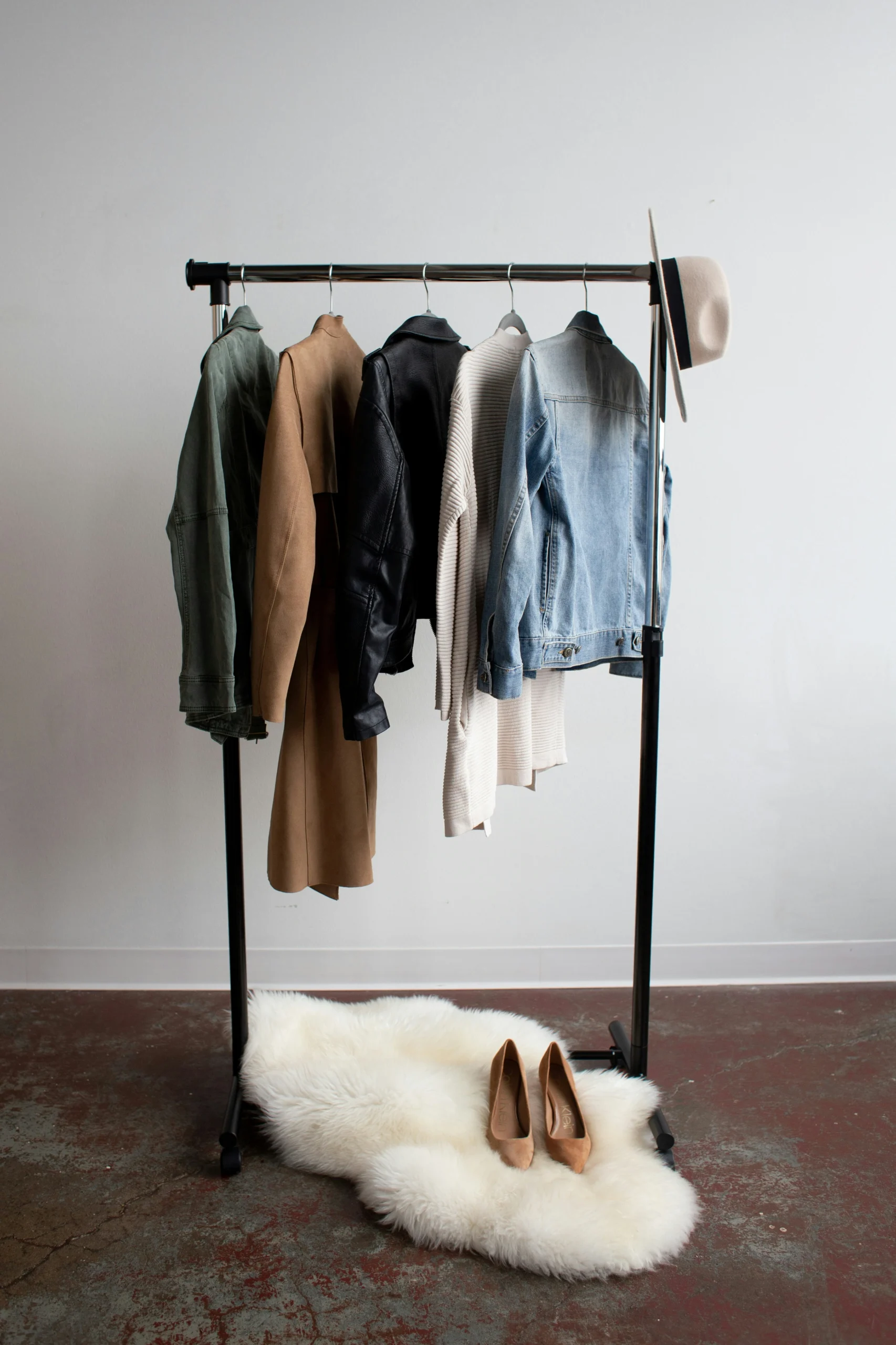
Neutral Colors: The Building Foundation
A smart wardrobe relies on essential colors that are easy to combine:
- Black
- Navy blue
- Gray
- White
- Beige
These colors are characterized by:
- Compatibility with each other
- Suitability for various Western environments (work, study, events)
- Timelessness beyond fashion trends
The Three-Color Rule
To maintain visual balance, it is preferable not to exceed three colors in a single outfit. This creates a calm, refined, and visually harmonious appearance.
Fifth: Cultural Identity in the Context of Migration
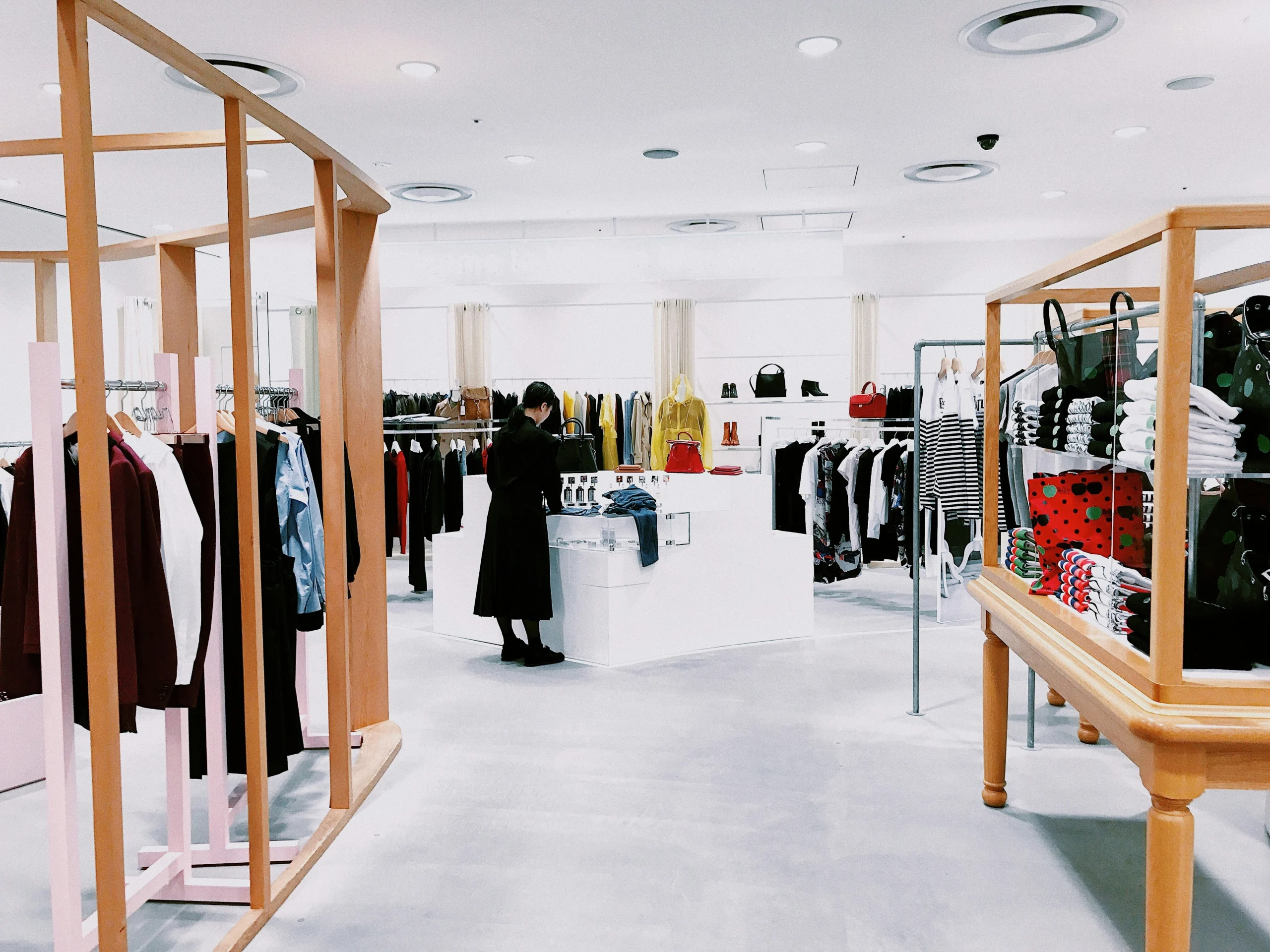
One of the major challenges faced by residents in the West is the question of identity: How can I integrate without losing myself?
Elegance here does not mean assimilation, but rather balance between:
- Personal identity
- Cultural background
- Requirements of the new environment
True integration is not imitation
It is:
- Preserving authenticity without isolation
- Presenting oneself confidently without exaggeration
- Choosing clothing that reflects values without losing identity
In recent years, the concept of “Modest Fashion” has emerged as a global trend widely appreciated in major Western cities, combining dignity, elegance, and cultural diversity.
Sixth: Clothing as a Psychological and Behavioral Tool

What a person wears does not only affect external impressions; it also extends inward:
- Enhancing self-confidence
- Improving cognitive performance
- Increasing the sense of responsibility
- Influencing decision-making patterns
In this sense, clothing becomes part of “daily psychological state management,” rather than merely an aesthetic decision.
Elegance as Identity Before Appearance
Elegance cannot be reduced to external form or financial status. It is an integrated system where psychology intersects with behavior, identity with appearance, and culture with daily choices.
True elegance is based on:
- Internal awareness
- Attention to detail
- Harmony with the self
- Social intelligence in presentation
When this balance is achieved, clothing becomes more than fabric—it becomes a silent language that speaks before a person does, granting them a stable presence wherever they go, especially in environments of migration where first impressions can sometimes determine acceptance or exclusion.
Ultimately, elegance is not only what we wear, but how we think, how we are seen, and how we perceive ourselves before others see us.
Read More:
ShortURL ⬇