

Why are all eyes on the Birmingham City Council Leadership? And why is it more important than the Mayor?
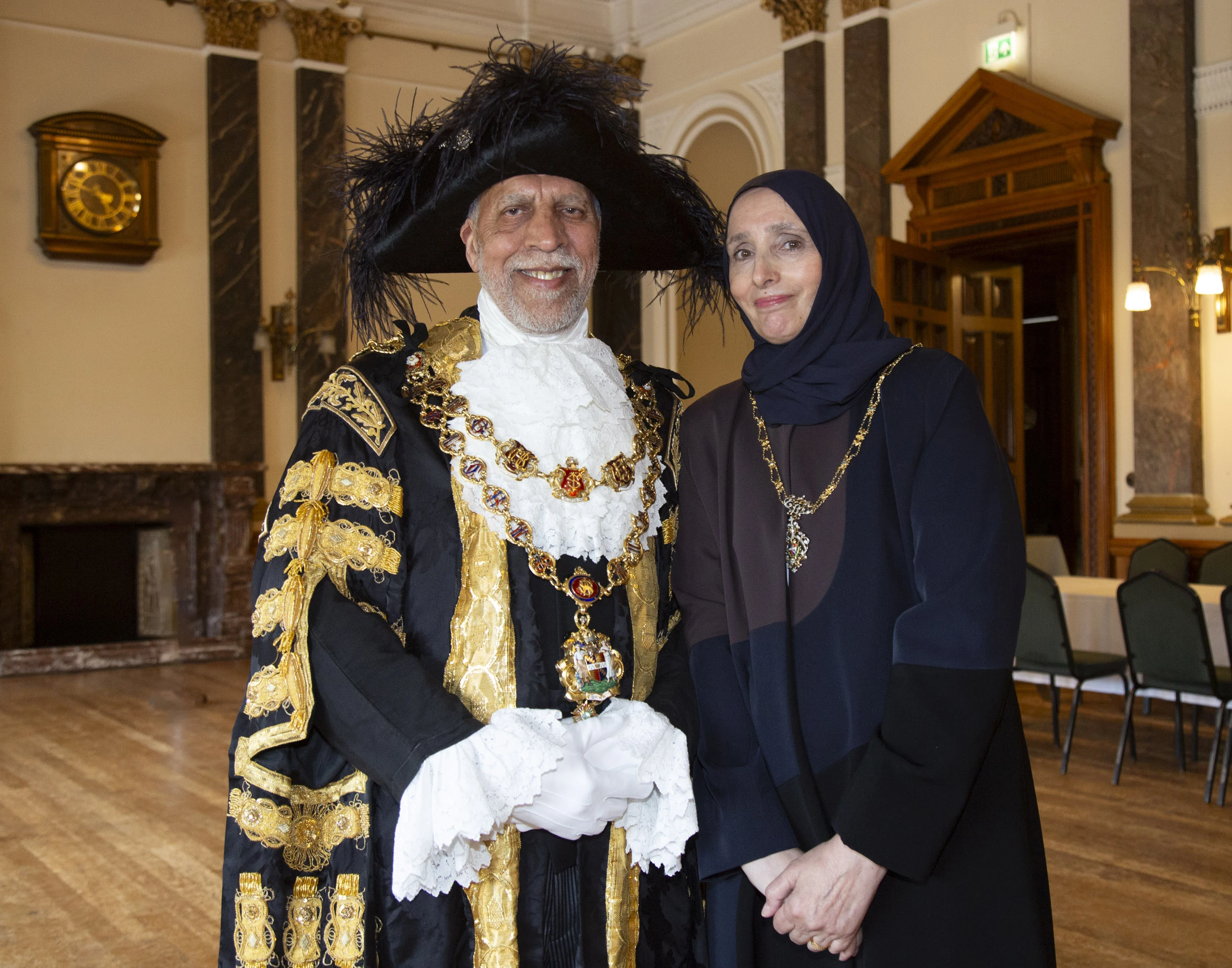
While the city of Birmingham celebrated the inauguration of the British politician of Kashmiri origin, Zaker Choudhry, as the first Muslim “Lord Mayor” in its history, the most critical political question within the corridors of local authority remained: Who will seize control of the Council Leadership?
Although the position of “Lord Mayor” garners widespread media attention due to its historical symbolism and protocol status, true power in the city is concentrated in the position of “Leader of the Council”—the executive office that actually manages the affairs of Britain’s second-largest city.
The importance of this position intensifies in light of the complex political and financial crisis Birmingham is enduring following its declaration of financial bankruptcy in 2023, coupled with the sharp division produced by the May 2026 elections, which concluded without any single party securing a ruling majority.
According to the official results, the Reform UK party secured 23 seats, while the remaining seats were distributed among the Greens, Labour, Conservatives, Liberal Democrats, and Independents, resulting in a “hung” local parliament with no clear majority.
This reality has made the position of Council Leader the focal point of intensive negotiations and alliances, whereas the office of the Mayor remained outside the direct executive struggle, being officially a non-political post.
The “Lord Mayor”: Historical Symbolism Without Executive Claws
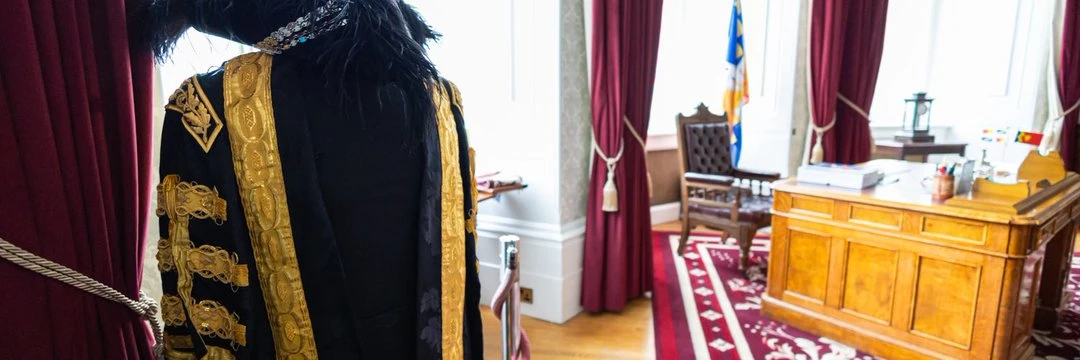
The British local administrative system reveals a radical difference between the two positions, although many conflate them due to the shared use of the word “Mayor”.
The office of “Lord Mayor” in Birmingham is primarily a civic and ceremonial position. According to the official website of the City Council, the Mayor is the “First Citizen” of the city, responsible for representing Birmingham and its residents at official events both within the UK and abroad.
Furthermore, the Mayor chairs the City Council meetings from a procedural standpoint, and participates in national and charitable events, as well as receiving delegations, diplomats, and members of the Royal Family.
British local law dictates that the Mayor must be “non-executive and non-partisan” during their term of office, meaning they do not participate in the day-to-day management of the city’s files, nor do they make major political or financial decisions.
Among the Mayor’s most prominent protocol duties are:
- Formally chairing City Council meetings from a procedural perspective.
- Representing the city at national and diplomatic events.
- Sponsoring charitable and community works, and supporting social and cultural diversity.
- Receiving official figures, foreign delegations, and members of the Royal Family.
However, the Mayor remains stripped of any direct executive powers related to public services, budgets, taxation, or the management of municipality staff.
Leader of the Council: Head of Local Government and True Authority
In contrast, the Leader of the Council represents the true and active executive authority within the city. The Leader oversees the management of multi-billion-pound budgets and exercises direct control over housing, transport, sanitation, local education, social care, urban planning, and investments.
The Leader also heads the “Cabinet” (the executive secretariat) which makes daily political and administrative decisions.
The Council Leader is typically chosen from the largest party, or from the political alliance capable of securing a legislative majority within the City Council, making the position akin to a local prime minister for the city.
Among the Leader’s most prominent powers are:
- Forming the Council’s executive administration and selecting members of the “Cabinet”.
- Setting public spending priorities and managing local austerity plans and taxes.
- Direct supervision of essential services and negotiating with the central government in London.
- Leading economic and developmental policies, and dealing with labor and financial crises.
The significance of this position is clearly evident in the financial crisis that struck the city. The Council Leader was the political official directly responsible for managing the fallout of the historic financial bankruptcy, equal pay settlement files, and the waste collectors’ strike crisis, which escalated into one of the largest public service crises in Britain. Meanwhile, the Mayor—despite their media presence—held no decision-making power in those matters.
A Hung Council and Continuous Backroom Negotiations

For this reason, observers believe that the real political focus in Birmingham is directed at the identity of the next Council Leader rather than the new Mayor; because this position is what will determine the shape of the ruling alliance as well as the city’s financial and service policies.
The City Council held its annual meeting on May 19, 2026, where Zaker Choudhry was formally inaugurated as the city’s Mayor and a deputy was appointed. However, the session concluded without reaching a final agreement regarding the leadership of the Council, due to the continuation of complex alliance negotiations among the various parties.
According to British political reports, the most notable negotiations centered between the Green Party, the Liberal Democrats, and some Independents, in an attempt to form an administration that prevents the Reform UK party from controlling the Council despite topping the election results.
What is happening in Birmingham reflects a broader shift in British local politics, where the dominance of the two traditional parties (Labour and Conservatives) is declining in the face of the rise of new forces and more complex alliances. Amidst this landscape, the position of the Mayor remains a historical symbol reflecting the city’s civic identity, while true power remains in the hands of whoever succeeds in capturing the Council Leadership.
Read More:
ShortURL ⬇