
Muslim Council of Britain Urges Political Pressure Over Al-Aqsa Restrictions
Muslim Council of Britain Urges Political Pressure Over Al-Aqsa Restrictions
The Muslim Council of Britain has called for urgent political action in the UK, urging British Muslims and supporters of the Palestinian cause to lobby Members of Parliament to take a clear position on restrictions at Al-Aqsa Mosque and press for its reopening.
The organisation has launched a public campaign enabling citizens to contact their MPs directly, urging diplomatic and political action over developments in occupied East Jerusalem, particularly after the mosque was closed to worshippers. You can take part by clicking this link.
Closure of Al-Aqsa prompts international concern

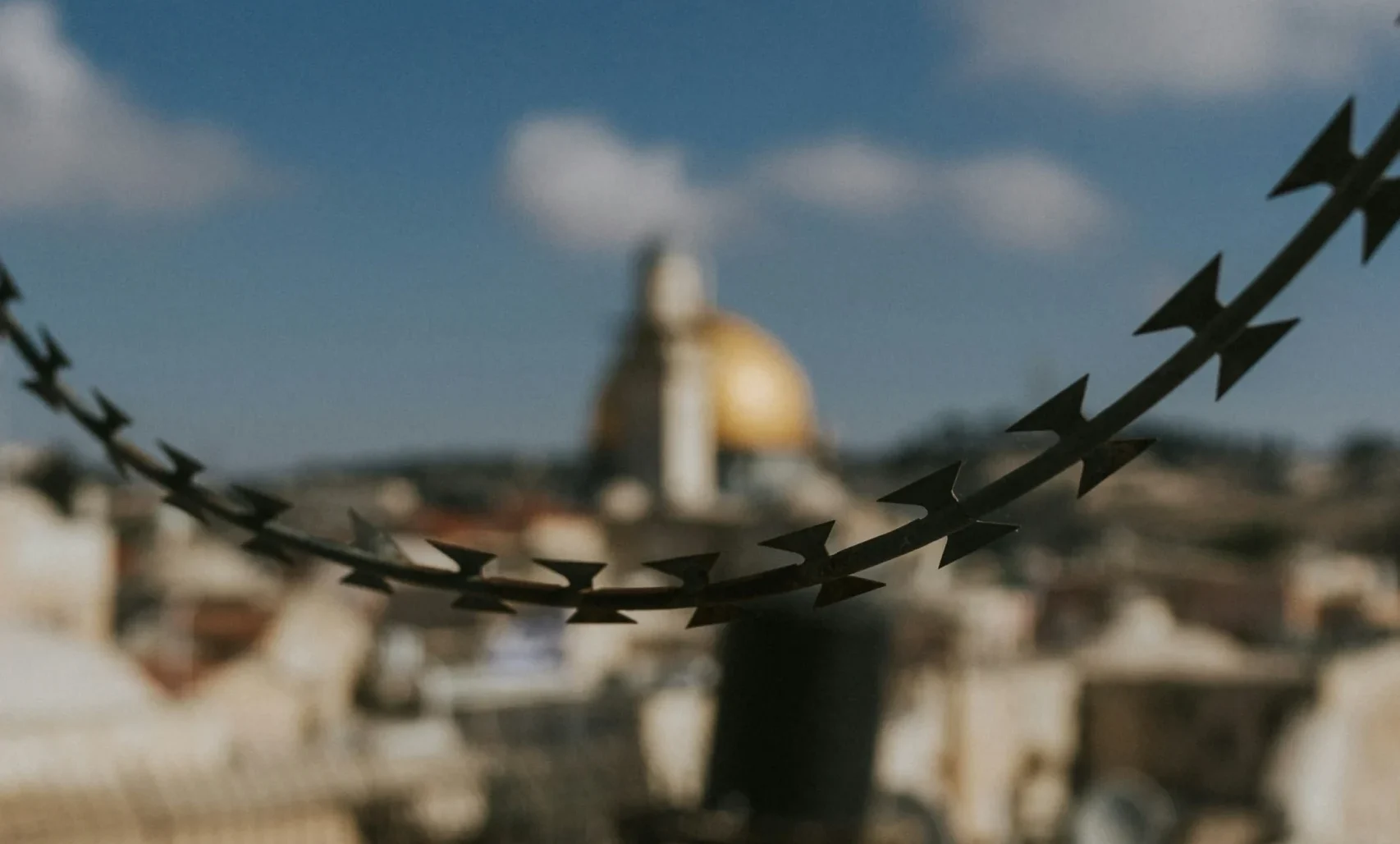
The UK-based initiative follows a decision by Israeli authorities to close Al-Aqsa Mosque amid the latest escalation in the region, set against the backdrop of Israeli-American aggression on Iran. Israeli forces cleared the compound and restricted access, citing “preventive” security measures linked to the ongoing conflict.
These justifications, however, have been widely questioned by observers and rights advocates, who argue that restrictions on access cannot be understood solely as safety measures — particularly in the absence of comparable civilian protection infrastructure in Palestinian areas.
The closure has also coincided with Ramadan, a period during which access to the mosque had already been subject to tightened controls. These included limits on the number of worshippers, age-based entry restrictions, and a heavy security presence around the site.
Reports have also indicated that some mosque guards were prevented from carrying out their duties, while access to essential supplies was restricted. The period leading up to Ramadan saw increased incursions into the compound, alongside arrests and raids within its courtyards.
Part of a broader pattern

Analysts suggest that the closure cannot be viewed in isolation, but rather as part of a longer trajectory of measures affecting governance and access to the site.
In particular, concerns have been raised about efforts to reduce the role of Islamic endowments (waqf), the body traditionally responsible for administering the mosque. Over recent years, this has coincided with repeated closures during periods of unrest, tighter access controls, and ongoing disputes over administrative authority.
There are also growing fears among observers of attempts to reshape the status quo at the site. These include discussions around spatial division and continued calls from Israeli groups to perform religious rituals within the compound — developments widely viewed as potentially destabilising.
Escalation on the ground
Security measures in and around Al-Aqsa remain intense, with repeated reports of searches, detentions and a sustained Israeli security presence.
Observers warn that such measures risk shifting from temporary responses to entrenched restrictions, potentially leading to more permanent limitations on access to the site.
Campaign aims to raise pressure in Westminster
Against this backdrop, the campaign launched by the Muslim Council of Britain seeks to elevate the issue within UK political institutions. By encouraging direct engagement with MPs, organisers hope to generate parliamentary pressure that could prompt a more assertive response from the British government regarding developments in Jerusalem.
Read More:
- Emergency Protest in Central London This Saturday: “Hands Off Al-Aqsa”
- Hundreds in London protest Gaza raids and Al-Aqsa attacks
- April 7th, London: “Hands off Al-Aqsa” Emergency Protest
ShortURL ⬇