
How London Was Built: The History Behind the Capital
London is one of the world’s oldest and most influential capitals. Its name dates back nearly two thousand years to a Roman settlement on the banks of the River Thames.
Its history stretches from its Roman beginnings, through the Great Fire of 1666, to its Victorian heyday as one of the world’s leading commercial centres.
The city lies in the south of Britain, on the River Thames. It is the capital of the United Kingdom and a major political, economic and cultural centre whose influence extends far beyond Europe.
Where does the name “London” come from?

Roman forces established a settlement on the site in AD 43 and named it Londinium. Scholars have proposed several theories about the origin and meaning of the name.
Some historical interpretations suggest that it may have Celtic roots and refer to a wide river or a waterway prone to flooding. This theory has been linked to the nature of the Thames in the area before modern embankments and docks were built.
How did the Great Fire reshape the city?
After Roman rule came to an end, London developed into an important stronghold of English kings. During the Middle Ages, castles and fortifications were built across the city, some of which still stand today.
One of the most tragic and defining events in London’s history was the Great Fire of 1666, which destroyed much of the city’s old timber-built neighbourhoods. However, the disaster also paved the way for reconstruction using brick and stone, following more organised architectural plans. This helped shape London’s distinctive architectural character, combining grandeur with durability.
What made Victorian London a global centre?
During the Victorian era of the 19th century, London reached the height of its power as the capital of the largest empire the world had ever seen and one of the world’s foremost commercial centres.
The city underwent major industrial and technological advances during this period, including the opening of the world’s first underground railway. Its docks were also expanded to handle goods arriving from across the globe, turning London into a melting pot of cultures and communities.
Which landmarks define the capital?

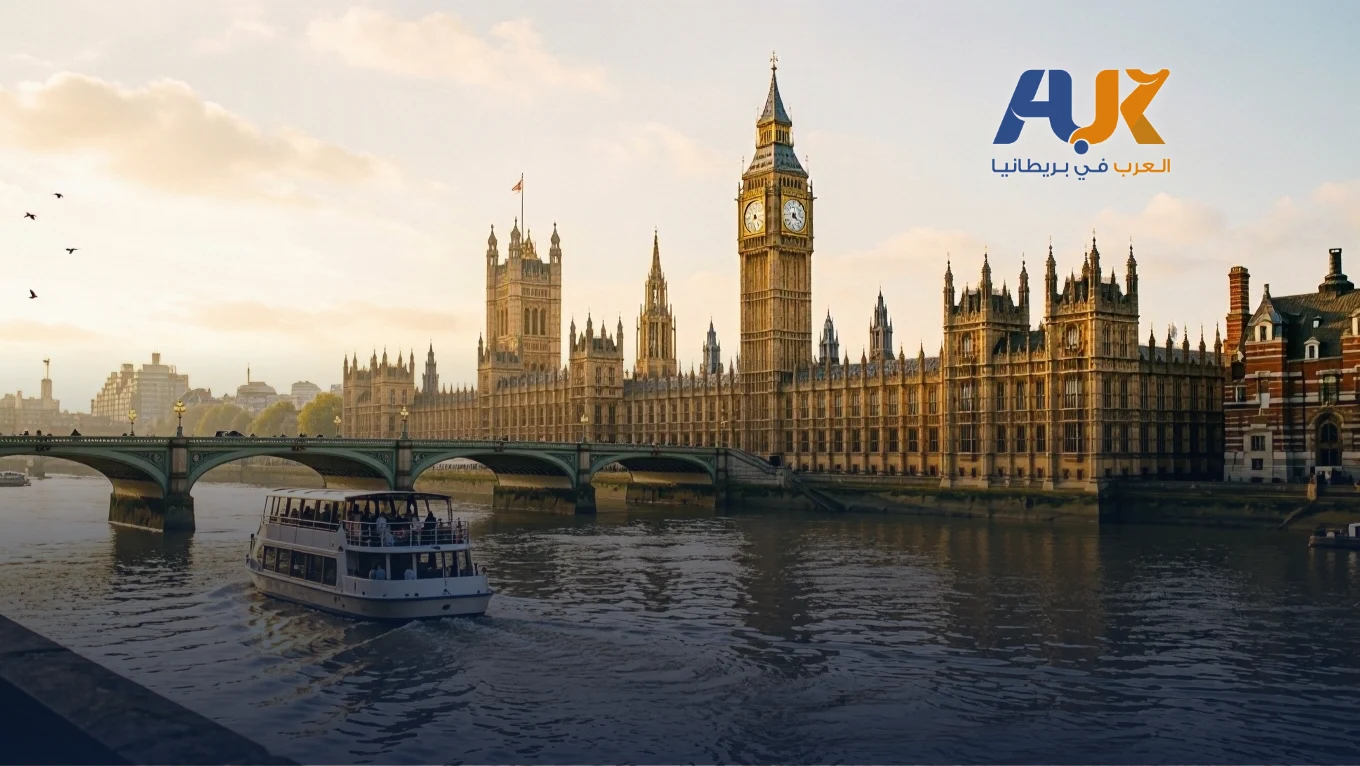
London’s landmarks range from historic buildings to modern architectural achievements. The Palace of Westminster, home to the British Parliament, is one of the country’s most important political landmarks. Nearby stands the famous Big Ben clock tower, while Buckingham Palace remains a symbol of Britain’s long-standing royal traditions.
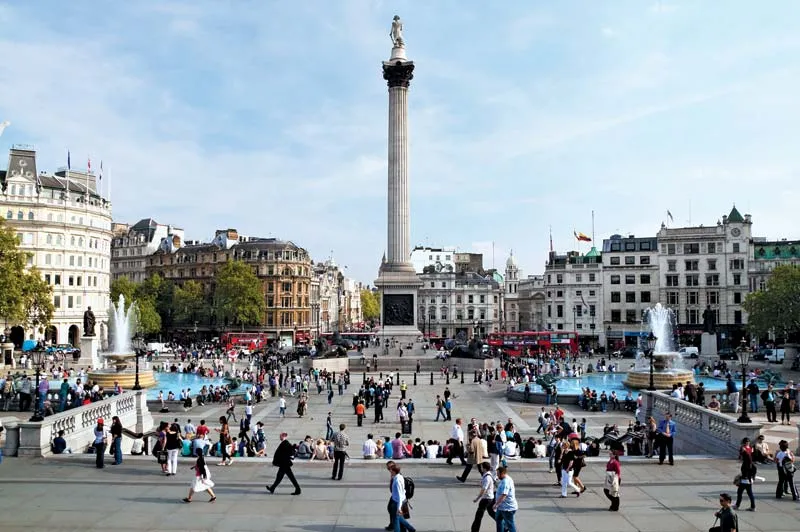
The city’s cultural identity is reflected in the British Museum, which houses millions of artefacts documenting human history, as well as in the art galleries around Trafalgar Square.
Why is Greenwich associated with world timekeeping?
London is home to prestigious educational institutions and universities that rank among the world’s leading establishments. Its financial district, known as the City of London, is a major hub of the global economy, hosting some of the world’s largest banks and international companies.
The city is also closely associated with Greenwich Mean Time (GMT), named after Greenwich in south-east London.
The historic Prime Meridian at the Royal Observatory in Greenwich became the reference point for measuring longitude and establishing the world’s time zones.
What is life in London like today?
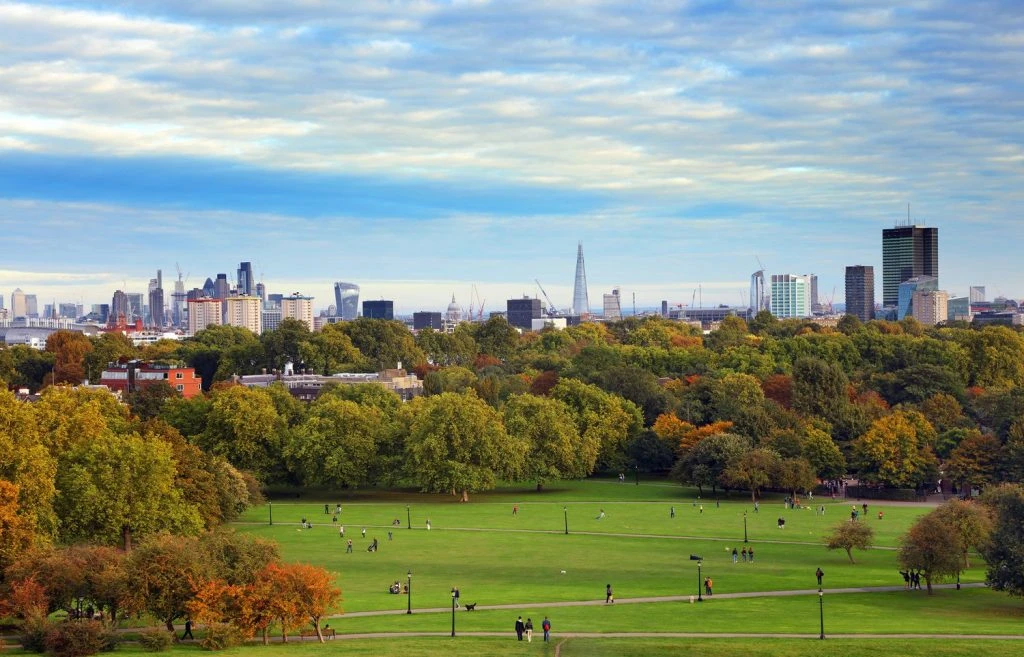
London has a temperate climate and numerous public parks and green spaces, giving it a reputation as a green city despite its dense urban landscape.
Today, London is a truly global metropolis, home to millions of residents who speak hundreds of languages. Its diversity makes it a model of multiculturalism and coexistence, while it continues to preserve its distinctive British identity throughout its historic streets.
Read More:
- From Riyadh to London: Banan Launches a Specialised Training Programme to Develop Leaders in Saudi Arabia’s Restaurant and Hospitality Sector
- ‘Bringing Jordanians Together’: Jordanian Community Gathers for First Social Event in London
- Syrians in Britain to mark second anniversary of Syria’s liberation at London event
ShortURL ⬇