

Why are travelers anticipating June 1? A new wave of rising airfares looms on the horizon
Why are travelers anticipating June 1? A new wave of rising airfares looms on the horizon
The approach of June and the start of the peak summer travel season are heightening fears of a new wave of rising airfares worldwide. This comes as high seasonal demand coincides with operational and geopolitical challenges pressing the aviation sector.
Observers believe this year’s summer could differ from previous seasons, as airlines face a combination of interlocking factors that could directly affect passengers—ranging from rising operational costs and altered flight paths to increased travel demand during school and summer holidays.
Mounting pressures on airlines
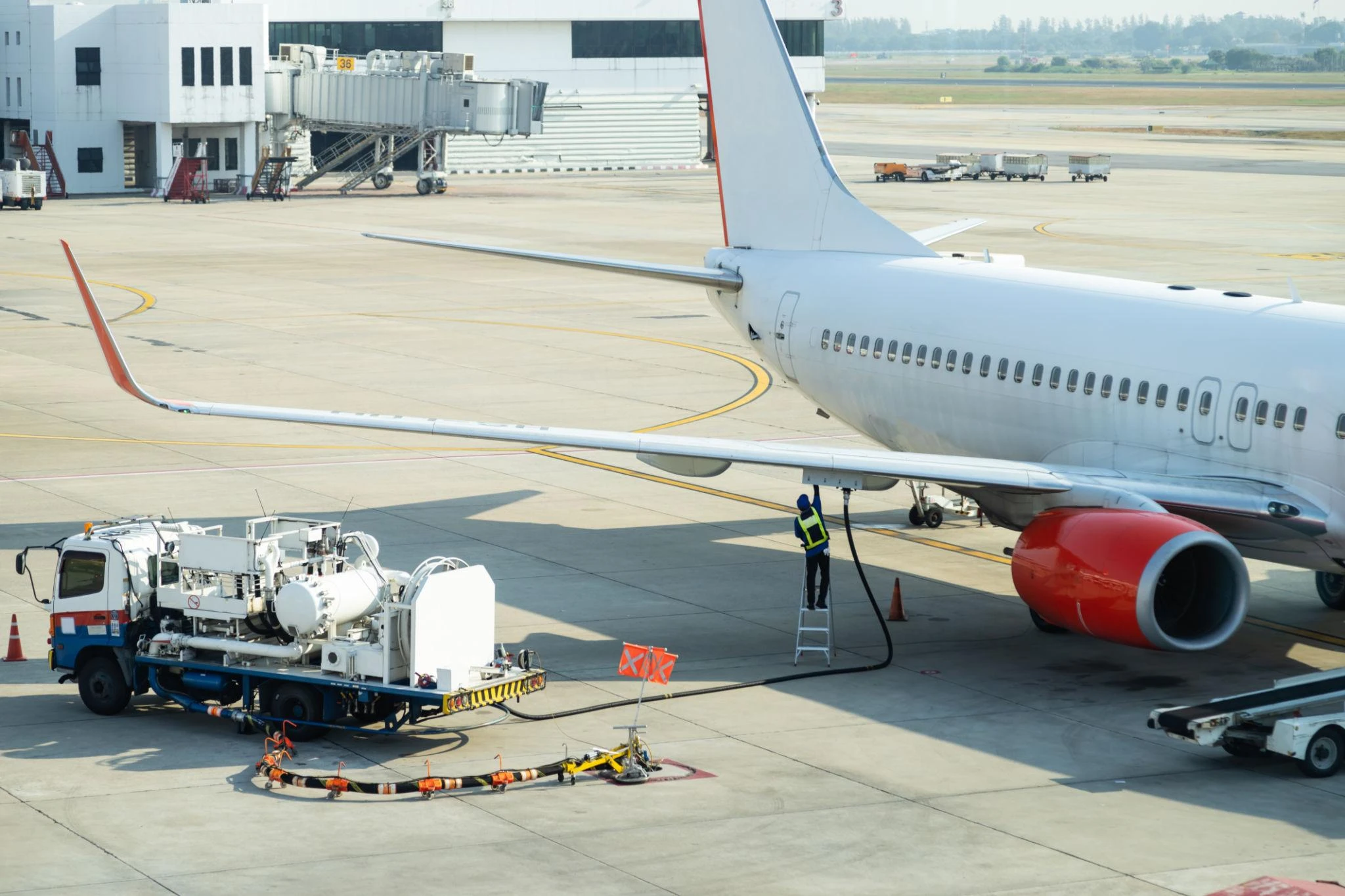
Specialized economic reports indicate that airlines are facing a noticeable increase in operational costs, chief among them fuel costs, which constitute one of the largest expenses borne by carriers globally.
With ongoing uncertainty in several vital regions around the world, some companies have been forced to review their operational plans, impose additional fees, or re-evaluate ticket prices to cope with surging expenses.
Analysts note that any sustained rise in fuel prices reflects almost directly on flight costs, especially on long-haul international routes that consume larger quantities of fuel.
Restricted airspace and longer flight paths
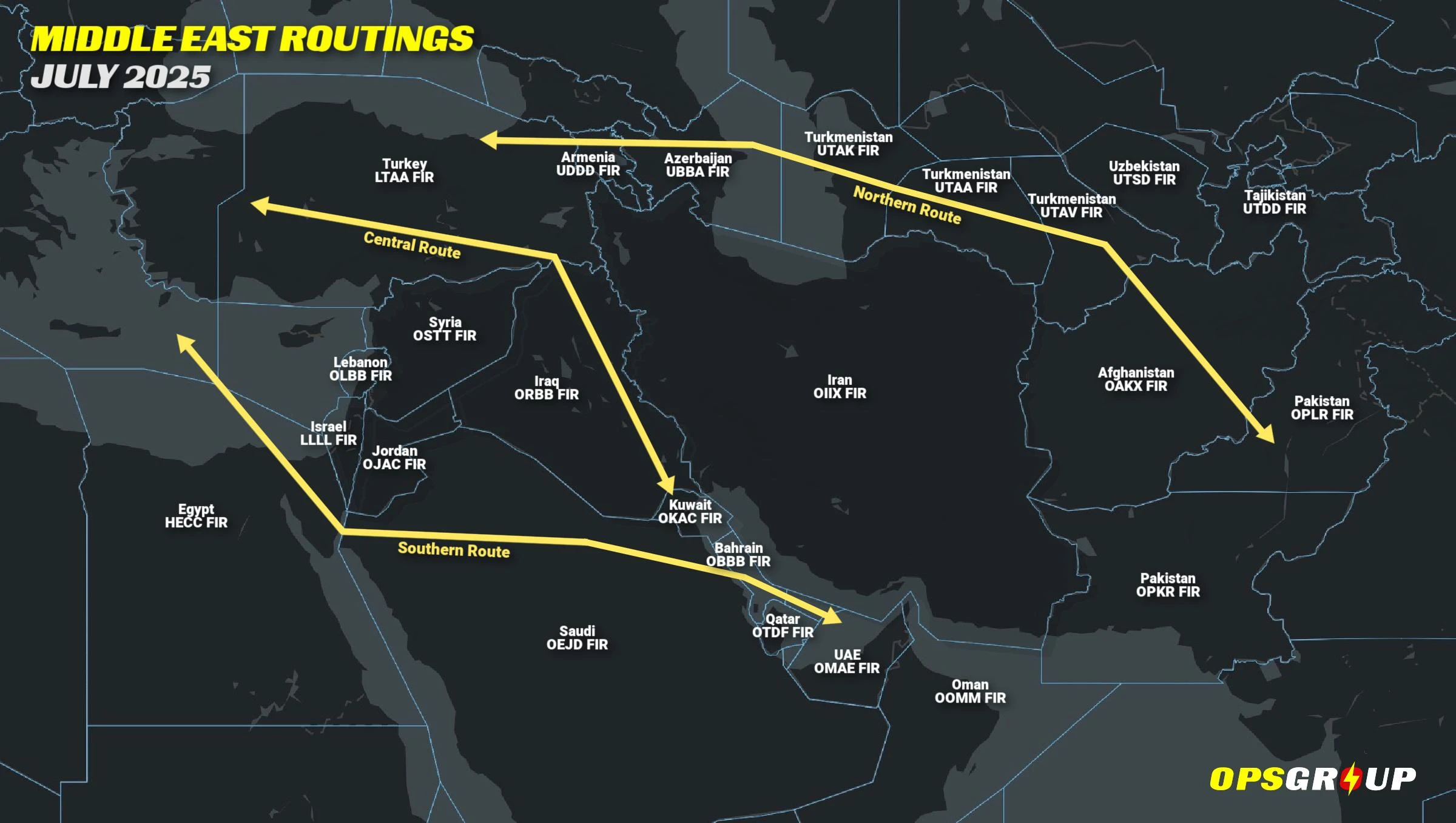
In addition to economic pressures, airlines face operational challenges tied to aviation safety protocols and the avoidance of certain regions experiencing security tensions.
This has led to the adoption of alternative routes for a number of flights between Europe, Asia, and the Arabian Gulf. These changes mean increased flight times, higher fuel consumption, and elevated operational costs related to crew, maintenance, and ground services.
Industry experts emphasize that any increase in flight duration, even if limited, translates into an additional cost when applied to thousands of daily flights.
Airlines review their strategies
During recent months, several airlines around the world announced measures aimed at containing financial pressures, which included:
- Reviewing prices on certain international flights.
- Imposing or adjusting fuel surcharges.
- Scaling back some routes or reducing operational capacity.
- Re-evaluating financial plans and future forecasts.
Observers argue that these measures reflect the scale of the challenges facing the sector rather than a desire by companies to maximize profits, especially given the continuous volatility in energy and transport markets.
Why do prices surge at the beginning of June?
June typically marks the beginning of one of the busiest periods in global travel, driven by approaching summer holidays and rising demand for tourism and family trips.
Airlines and electronic booking systems rely on dynamic pricing mechanisms that respond to demand volume, the number of remaining seats, and booking timing. This often leads to price increases as the departure date approaches.
Specialists point out that travelers who delay booking until the final weeks or days often face significantly higher prices compared to those who book well in advance.
What does this mean for travelers?
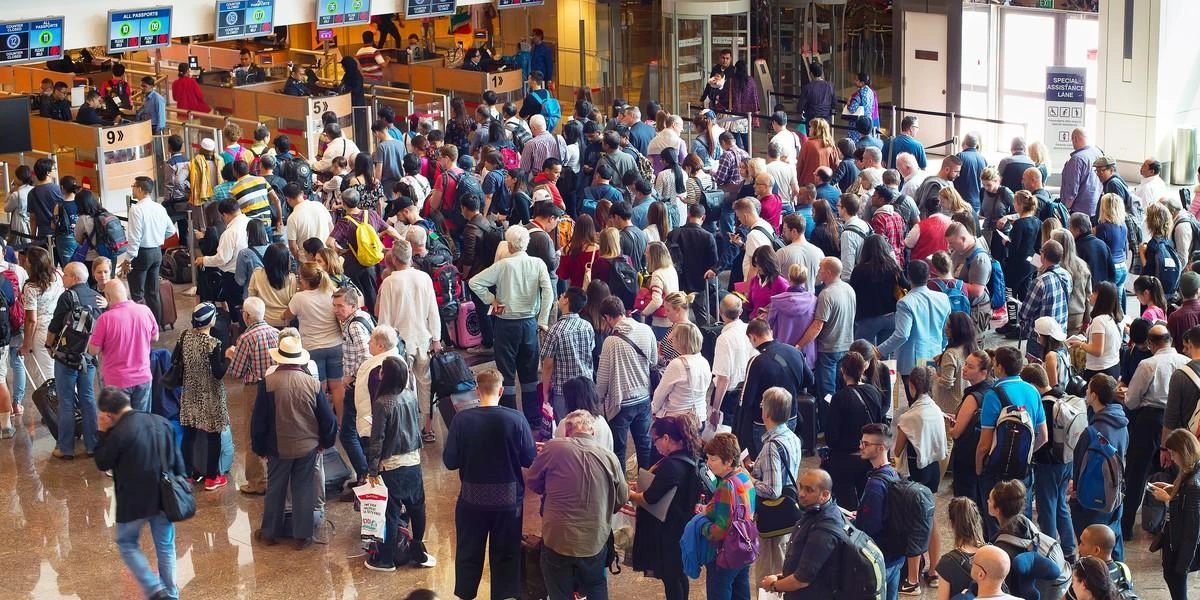
According to travel experts, passengers during the coming period may face:
- Higher prices on a number of international destinations.
- Fewer options for direct flights on certain routes.
- Increased flight durations due to altered flight paths.
- Continuous price fluctuations depending on demand and international developments.
Consequently, experts advise those wishing to travel during the summer to monitor prices early, compare different airlines, and avoid delaying bookings to the last minute as much as possible.
The rise in ticket prices is no longer solely tied to the start of the tourist season as in previous years; rather, it has become the result of a complex mix of economic, operational, and geopolitical factors.
With June now underway, the pressing question remains: Will the aviation sector succeed in containing these pressures, or will travelers find themselves facing one of the most expensive summers in years?
Read More:
- Analysis: From Romania to London – Why Britain Is Talking About War More Than at Any Time Since the Cold War
- Analysis: Is the British State Returning Through the Back Door?
- Analysis: Labour’s Pandora’s Box – The Blairite Debate Reopens
ShortURL ⬇