


UK Refugee Benefits Under Threat: The Real Impact of Removing Housing and Weekly Support
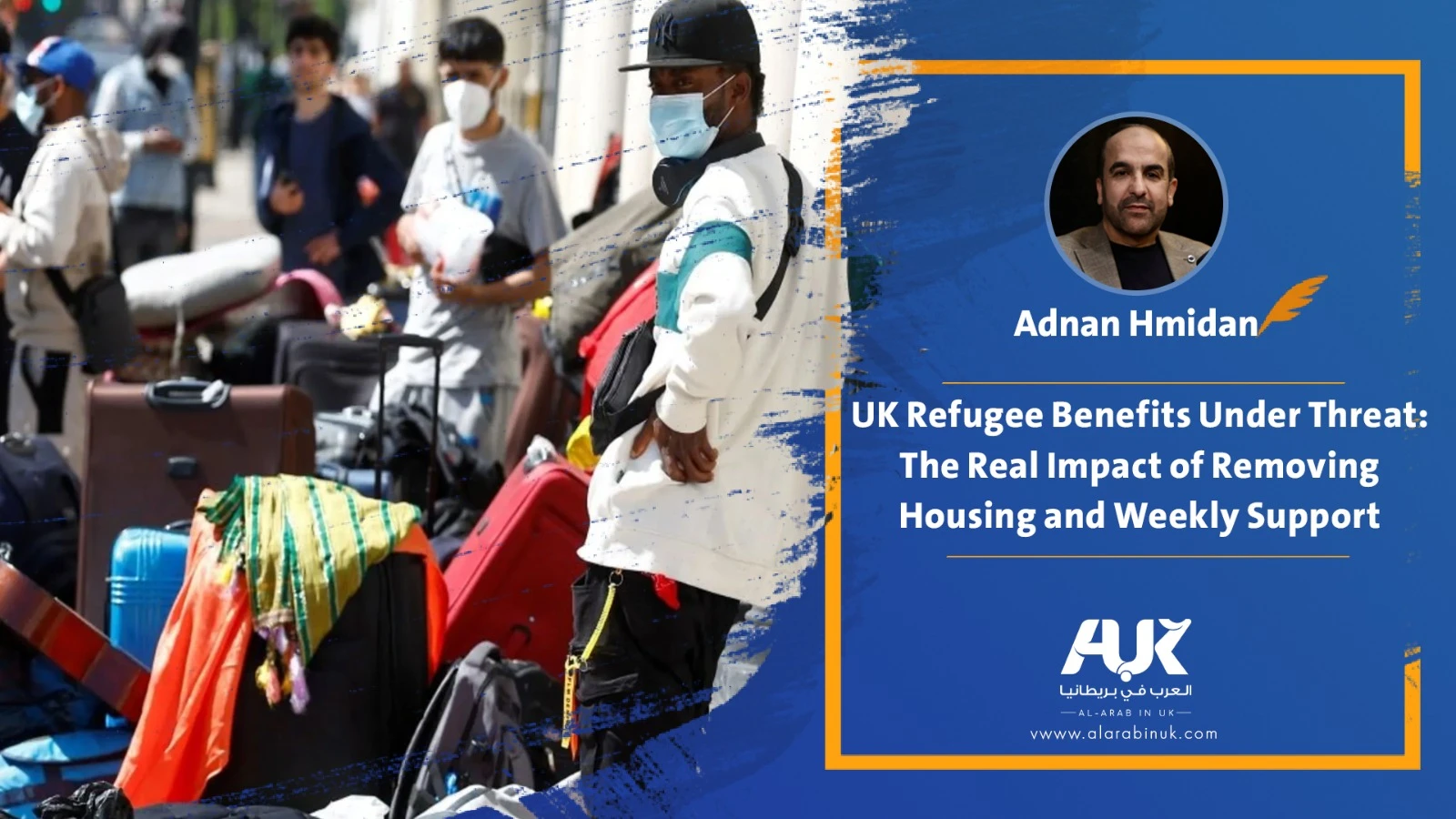
The plan put forward by the Home Secretary, Shabana Mahmood, to remove weekly support payments and government housing from refugees who are considered able to work is no longer a tentative idea or an early-stage discussion. It has become a clear political project that the government intends to drive forward, presented under the banner of encouraging employment and reducing reliance on public support. Yet behind this polished language lies the risk of a social and humanitarian crisis that Britain has never had to face.
Britain is already struggling with a severe housing shortage and soaring rents. Many landlords are reluctant to rent to refugees even under the current system, and some refuse altogether. Removing both income support and access to government-provided accommodation would leave many families with nowhere to go except the streets. This is not about individuals who can navigate housing on their own. It is about children who go to school each morning, mothers carrying the full weight of the household, and fathers still trying to settle into a new country. Overnight, they could find themselves without a roof or any form of protection.
The few tents that have started to appear in parts of London would no longer be isolated incidents. They could become a common sight, spreading from the capital to other cities. This would not be a minor development that can be brushed aside. It would be a profound social failure for which the government would bear direct responsibility.
It is becoming clear that the government is drifting towards a punitive political narrative aimed at appeasing the far right, as if being harsh towards refugees strengthens its leadership. Yet this overlooks a simple truth: the far right will not reward these efforts, regardless of how much the government tries to imitate their language. At the same time, Labour risks losing the trust of communities that once saw it as a defender of social justice rather than a party led by populist pressure and media noise.
Pointing to strict European examples, such as Denmark, is a weak justification. Britain has long taken pride in its humanitarian commitments and in its early role in establishing international refugee protections. Addressing individual abuses does not require a form of collective punishment that strips people of basic dignity and turns everyday life into a struggle for survival.
There is an even deeper concern. Large-scale homelessness among refugees could inflame social tensions and threaten community safety. Some refugees have already faced attacks despite being housed in hotels with supervision. What will happen once they are left unprotected on pavements or in scattered tents? Policies of this kind create fertile ground for hostility, fuel hate crimes, and widen divisions in a society already under strain.
The direction the government is taking does not reflect a long-term vision. It reflects pressure for a short-term political win. But the consequences, if the plan goes ahead, will not be short-lived. They will leave lasting scars across society, from rising homelessness and declining trust in public institutions to a damaged international reputation for a country that once presented itself as a defender of human dignity.
The question now is whether the government understands that it is pushing the country towards a far deeper crisis than the one it claims to be addressing. Or whether it is willing to risk social stability and Britain’s standing in the world for political gains that will not endure.
Read more:
ShortURL ⬇