


What Is Left of Starmer’s Government After the Court Exposed the Falsehood Behind the Palestine Action Ban?
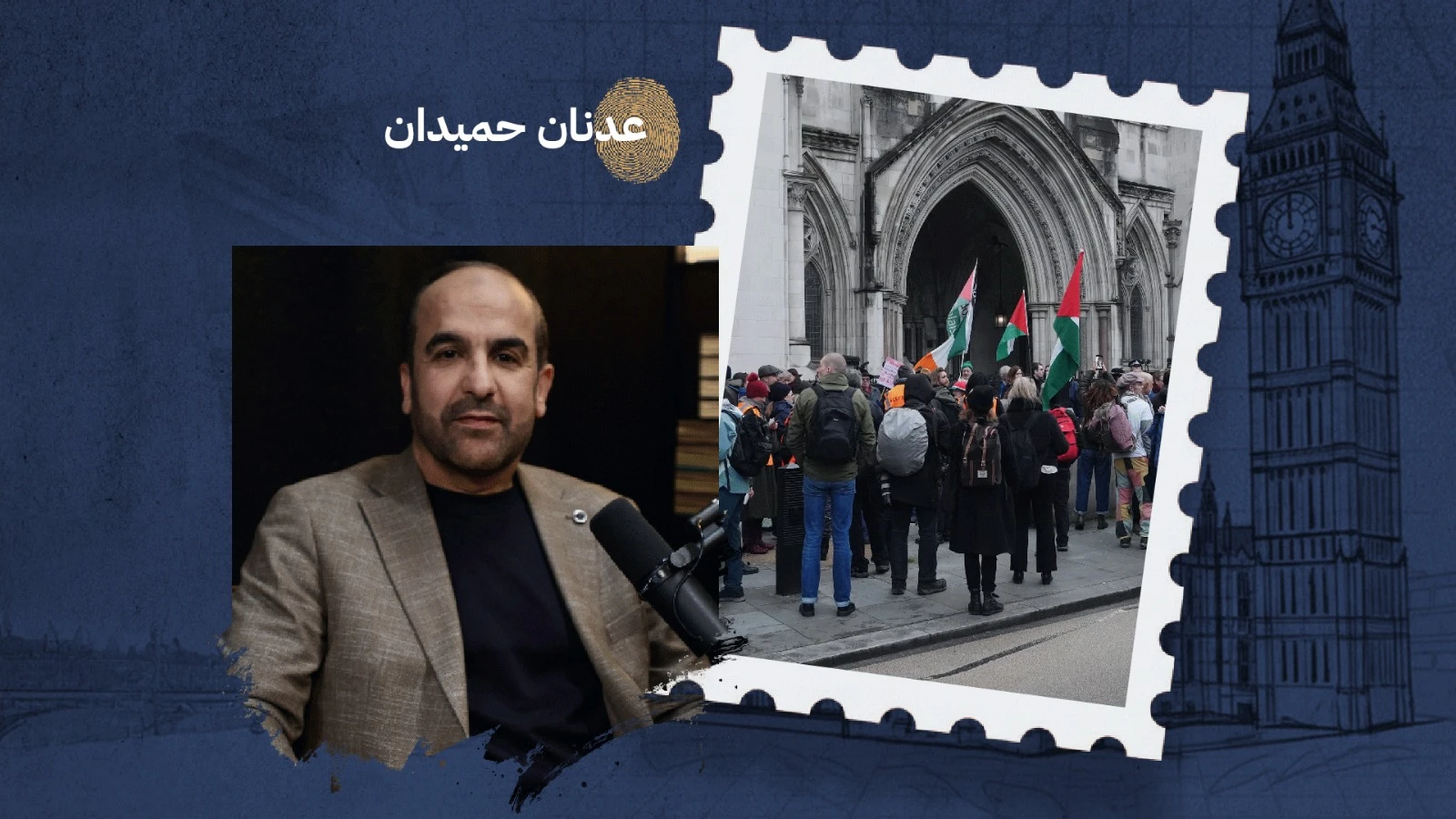
In a moment that laid bare the fragility of the government’s narrative, Keir Starmer’s administration suffered a resounding rebuke from the UK High Court after it struck down the decision to ban Palestine Action and ruled it unlawful. The judgment was not a procedural footnote; it was a political indictment of a course that chose to criminalise protest while shielding power.
This is not a matter of “competing narratives” or “mutual claims.” What is unfolding in Gaza is not ambiguity but devastation on a scale that has shaken global conscience. Those who support it — through arms transfers, political cover or diplomatic protection — cannot hide behind sterile language and grey statements. That was precisely the fog this government attempted to manufacture.
Criminalising Protest While Arms Continue to Flow
Ministers did not hesitate to pursue young activists who targeted factories and facilities linked to Israel’s military supply chains, including sites connected to British aerospace capabilities. They were treated as threats to national security. Yet the far graver question lies elsewhere: the continued flow of weapons, money and political backing to a state conducting a war that has drawn mounting allegations of grave violations of international law.
London did not expel an ambassador. It did not sever political ties. It did not impose a comprehensive arms embargo. What it offered instead were partial suspensions and symbolic gestures — pauses here, reviews there — while Gaza continued to burn. What moral logic criminalises those who disrupt weapons production in protest at civilian deaths, yet legitimises those who authorise the bombardment?
Two Standards of Accountability
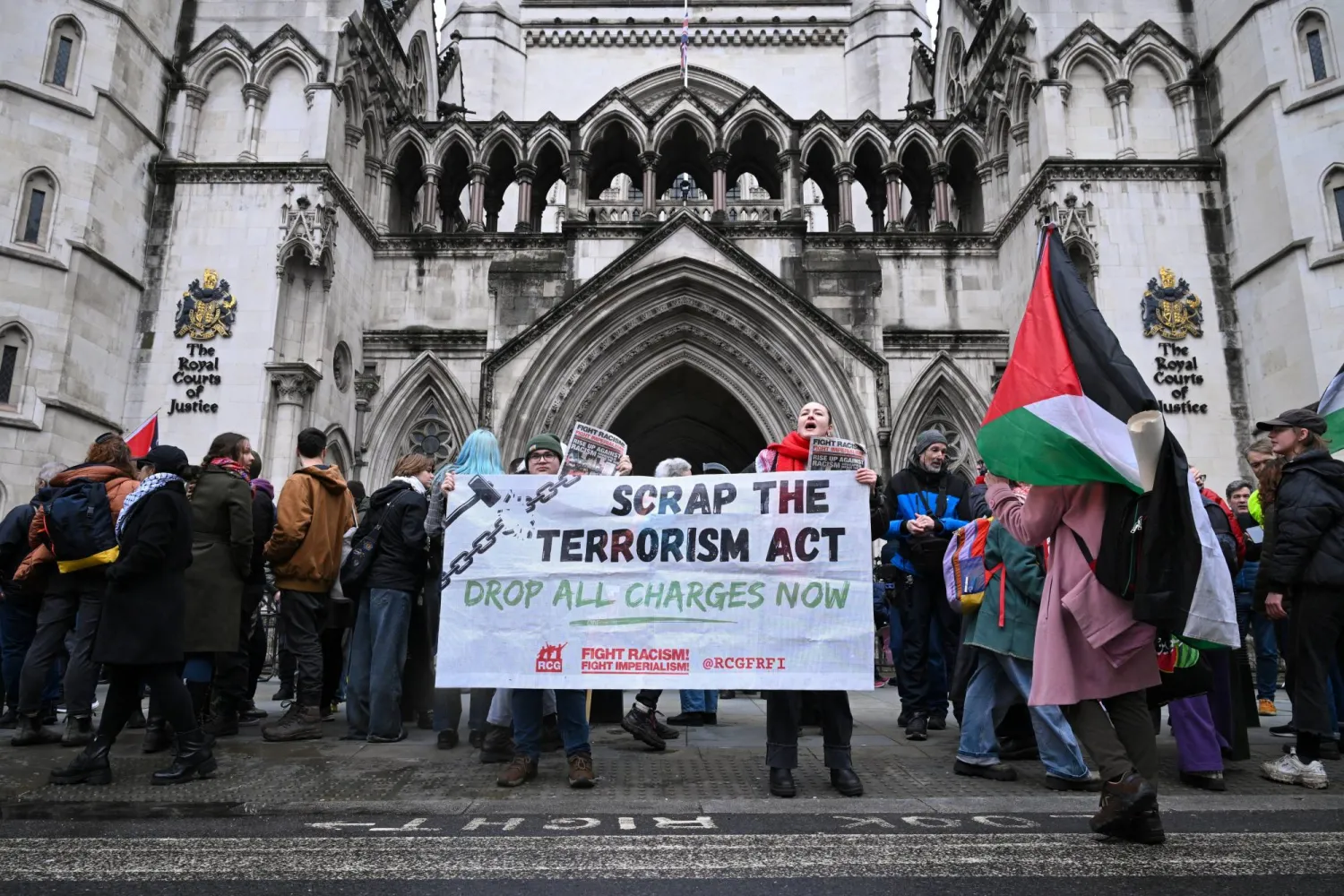
More than two thousand British citizens have reportedly travelled to serve with the Israeli military, yet no sweeping prosecutorial campaign has accompanied that reality. Fundraising events linked to soldiers involved in the war have taken place openly. Meanwhile, solidarity activists filled courtrooms and detention cells. Dozens — indeed hundreds — were investigated or charged for refusing to have crimes committed in their name.
One activist reportedly undertook a hunger strike to the point of severe physical deterioration. Others paid with their health. The government appeared unmoved, viewing their protest as a security issue rather than a moral appeal. What kind of order is this, that narrows when confronted with justice but expands to accommodate bloodshed?
The Court Restores Principle — But Not Closure
The High Court’s ruling restores some measure of legal principle. It does not erase the months of hardship, nor does it automatically end the prosecutions that still hang over many defendants. But it delivers a clear message: the law cannot be weaponised for political retaliation.
Internationally, figures such as Benjamin Netanyahu have become symbols of a dark chapter in regional history. Accountability — whether political or legal — remains an open question, but history has rarely absolved those implicated in prolonged suffering.
Beyond the Ban: A Question of Meaning
This is not merely about an organisation placed on, and then removed from, a list. It is about meaning. Who is labelled extremist? The person who disrupts weapons production in protest at the killing of children? Or those who finance, defend and justify the bombardment?
The episode demands reflection. Those who stood in solidarity with Palestine were not outside the law; they were invoking its deepest principles. The misjudgment lay not in their protest, but in the silence — and at times the complicity — of those who claimed to represent justice while turning away from suffering, despite careers built in the language of human rights.
Read More:
ShortURL ⬇