


Petition Calls for Inquiry into Pro-Israel Lobby’s Influence on UK Politics
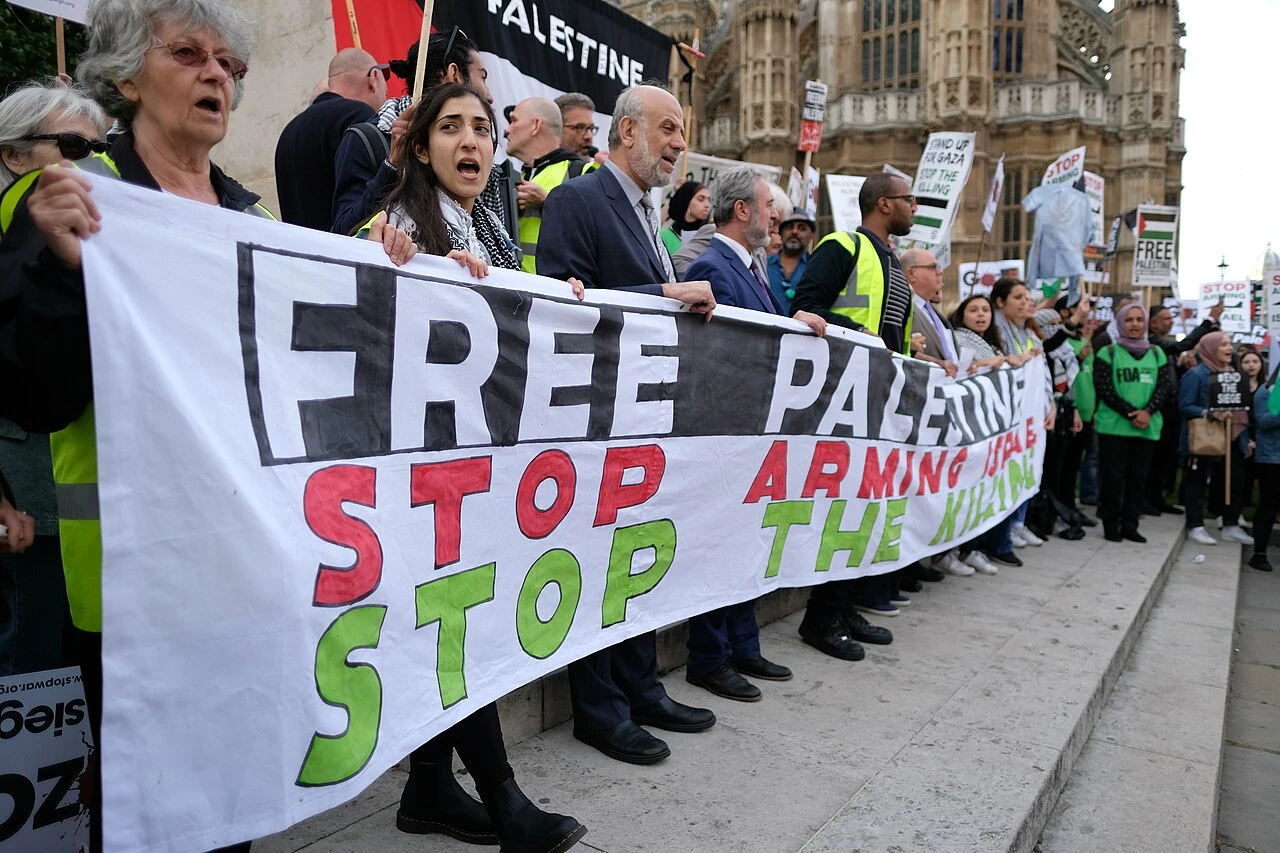
Amid the ongoing war in Gaza and its devastating humanitarian toll, calls are intensifying within Britain to reassess the country’s political relationship with Israel. At the centre of the debate are renewed questions about the influence of pro-Israel lobbying networks on British policymaking.
A new parliamentary petition is now gaining momentum, urging a public inquiry into the scope — and limits — of that influence.
A call for a public investigation
The petition, launched by activist Andy Khalil under the title “Call for a Public Inquiry into the Influence of the Pro-Israel Lobby on UK Politics and Democracy”, calls for a comprehensive investigation into the extent to which pro-Israel networks shape political decision-making in Britain.
As of early February 2026, the petition had gathered more than 7,200 signatures and will remain open until 28 July 2026. It has yet to reach the 10,000-signature threshold required to trigger an official government response, or the 100,000 signatures necessary for parliamentary debate.
Gaza at the centre of the demands
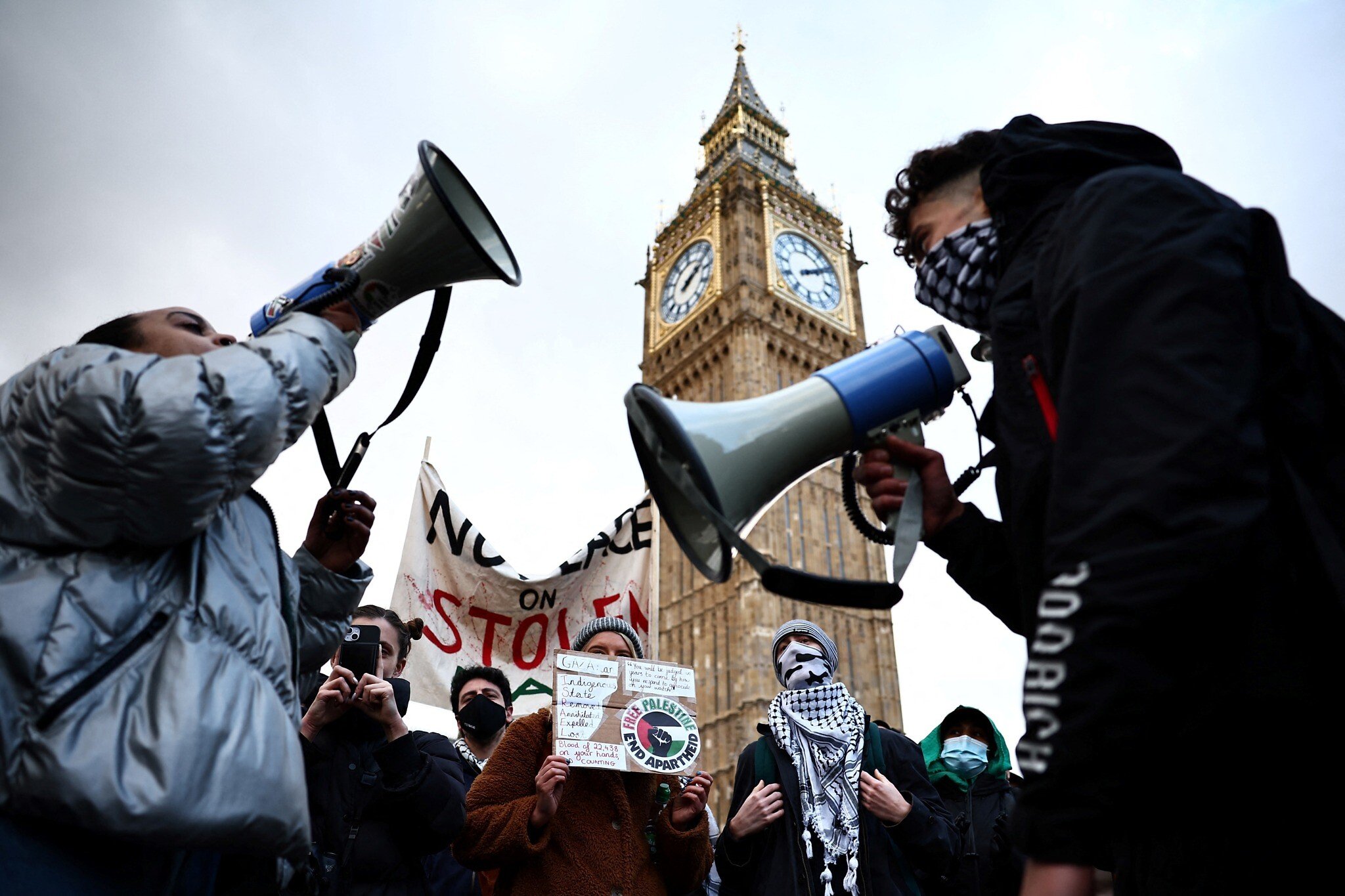
The petition links its call for scrutiny to what it describes as the “devastation in Gaza” and the “ongoing repression in the West Bank”, arguing that Britain’s political response has raised concerns about the independence of UK decision-making.
Supporters contend that examining the role of organisations and networks connected to Israel — including their involvement in party funding, policymaking and public discourse — has become a democratic necessity amid the continuing conflict and mounting international criticism of Israel’s conduct.
Funding, trips and political ties
Some of these concerns draw on published media reports referencing parliamentary disclosure records. According to those reports, around a quarter of MPs — approximately 180 out of 650 — have received funding or support from pro-Israel sources in recent years, amounting to more than £1.2 million.
Separate reporting has highlighted more than 240 sponsored trips to Israel, costing upwards of £500,000, organised or supported by organisations linked to Israeli institutions or political advocacy groups.
Critics argue that such figures raise legitimate questions about transparency and potential conflicts of interest — particularly when Parliament votes on sensitive matters such as arms exports or sanctions policy.
Pro-Israel groups, however, maintain that their activities fall within the framework of legitimate bilateral engagement and lawful political advocacy.
The arms export debate

The controversy intersects with Britain’s military export policy.
Since October 2023, the UK has continued granting export licences for military equipment to Israel, including components used in multinational defence programmes such as the F-35 fighter jet.
In September 2024, the government announced a partial suspension of around 30 licences out of roughly 350 — less than 9% of the total — while maintaining exemptions related to the F-35 programme under international supply arrangements.
Subsequent data indicated that the value of certain new licences issued in late 2024 exceeded £120 million, prompting criticism from UK monitoring organisations.
Groups such as Campaign Against Arms Trade have argued that retaining specific exemptions undermines the significance of the partial suspension, given allegations that Israel has committed serious violations of international humanitarian law in Gaza.
The government, for its part, maintains that Britain’s licensing regime is subject to rigorous legal assessment and that approvals are not granted where there is a “clear risk” that equipment might be used in violation of international law.
Activists argue that the continuation of exports, despite the scale of destruction in Gaza, reflects political pressures that inhibit a more fundamental review of the UK-Israel defence relationship.
Foreign influence and wider scrutiny
In December 2025, the UK government announced an independent review into foreign financial interference in domestic politics, prompted in part by concerns relating to Russia.
Some campaigners argue that such a framework should, in principle, apply to all sources of foreign influence — including Israel — in order to ensure consistent standards of transparency and accountability.
Critics of that position caution against conflating legitimate diplomatic engagement with unlawful interference, stressing that any inquiry must rest on clear legal criteria rather than political sentiment.
Free speech, protest and the IHRA definition
The debate over lobbying influence also intersects with the broader political climate surrounding pro-Palestinian demonstrations since October 2023.
Britain has seen increased restrictions on certain protests, alongside wider use of public order and counter-terrorism legislation. In 2025, the group Palestine Action was added to the list of proscribed organisations — a move that sparked criticism from civil liberties groups, who argued that it broadened the definition of political activism as a security threat.
The government maintains that its interventions are aimed at preventing incitement or the glorification of violence, rather than suppressing peaceful solidarity.
The adoption by various public bodies of the International Holocaust Remembrance Alliance (IHRA) definition of antisemitism has further shaped the debate. The definition describes antisemitism as “a certain perception of Jews, which may be expressed as hatred toward Jews” and includes illustrative examples suggesting that some forms of criticism of Israel may be considered antisemitic if they cross certain thresholds.
Its application remains contested in academic and legal circles, particularly regarding its potential implications for free expression in discussions relating to Israel and Palestine.
A recurring controversy
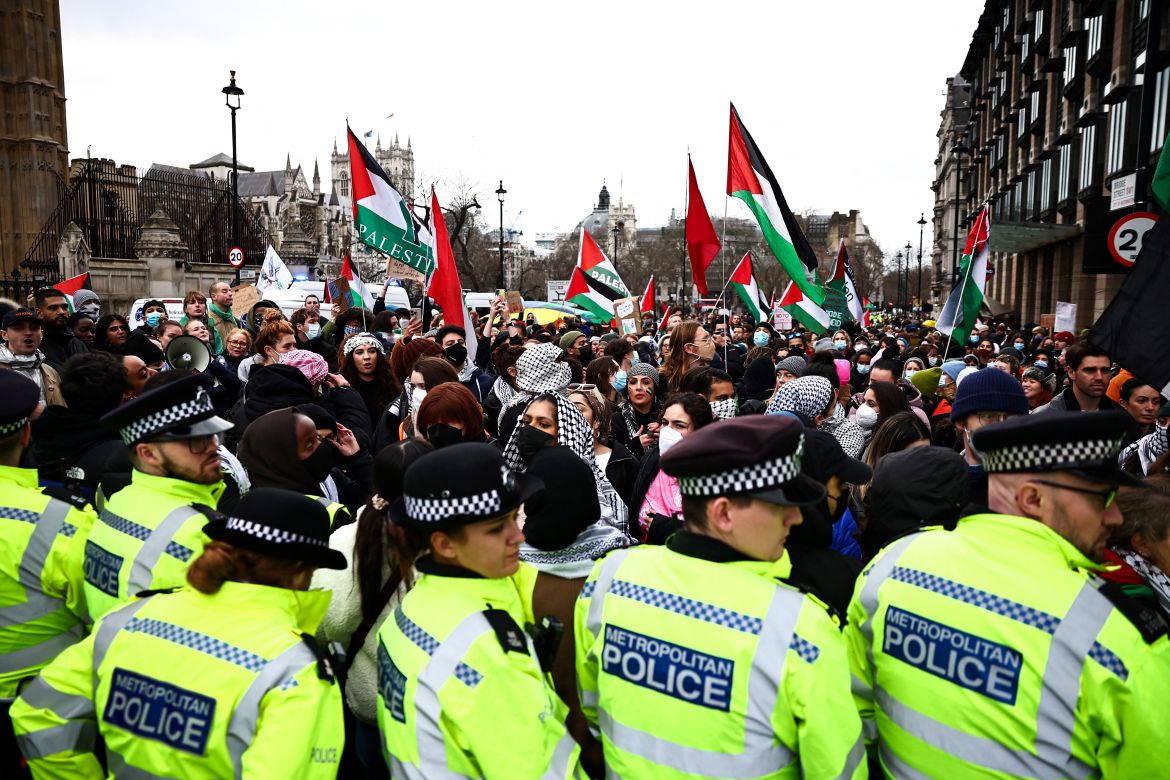
Debates over pro-Israel lobbying in Britain are not new. In 2017, a journalistic investigation revealed attempts by an Israeli diplomat to undermine British politicians critical of Israel, leading to diplomatic tensions and renewed calls for scrutiny.
The new parliamentary petition emerges within this longstanding context — at a time when Britain remains deeply divided over the nature of its relationship with Israel amid the continuing war in Gaza.
Read More:
ShortURL ⬇