


Clapham Unrest and the “Linkups” Phenomenon: Insights into Teenage Street Riots in the UK
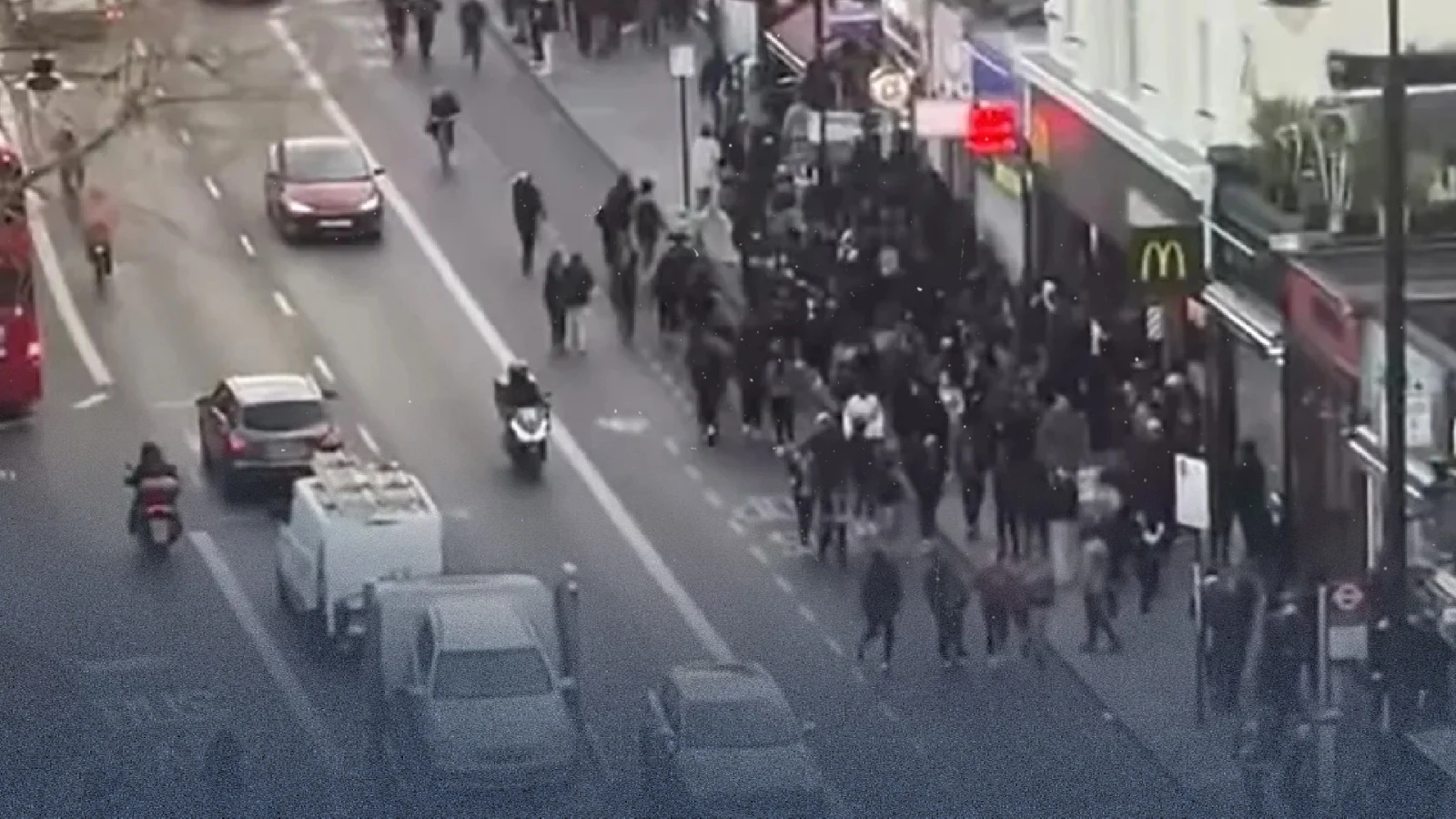
The affluent area of Clapham in South London recently witnessed a wave of mass unrest that was far from spontaneous. Instead, it was part of a burgeoning digital phenomenon increasingly known among youth circles as “Linkups.”
The events began when viral invitations proliferated across social media platforms—particularly TikTok and Snapchat—urging teenagers to gather on Clapham High Street during the Easter break. This resulted in hundreds of youths descending upon the area in record time.
Field Reactions and Authorities’ Intervention
The sudden gathering triggered a wave of panic among shoppers and residents alike. This forced owners of vital shops and restaurants to make swift decisions to shutter their premises, securing customers and families inside for fear of the situation escalating or falling victim to opportunistic looting and random vandalism.
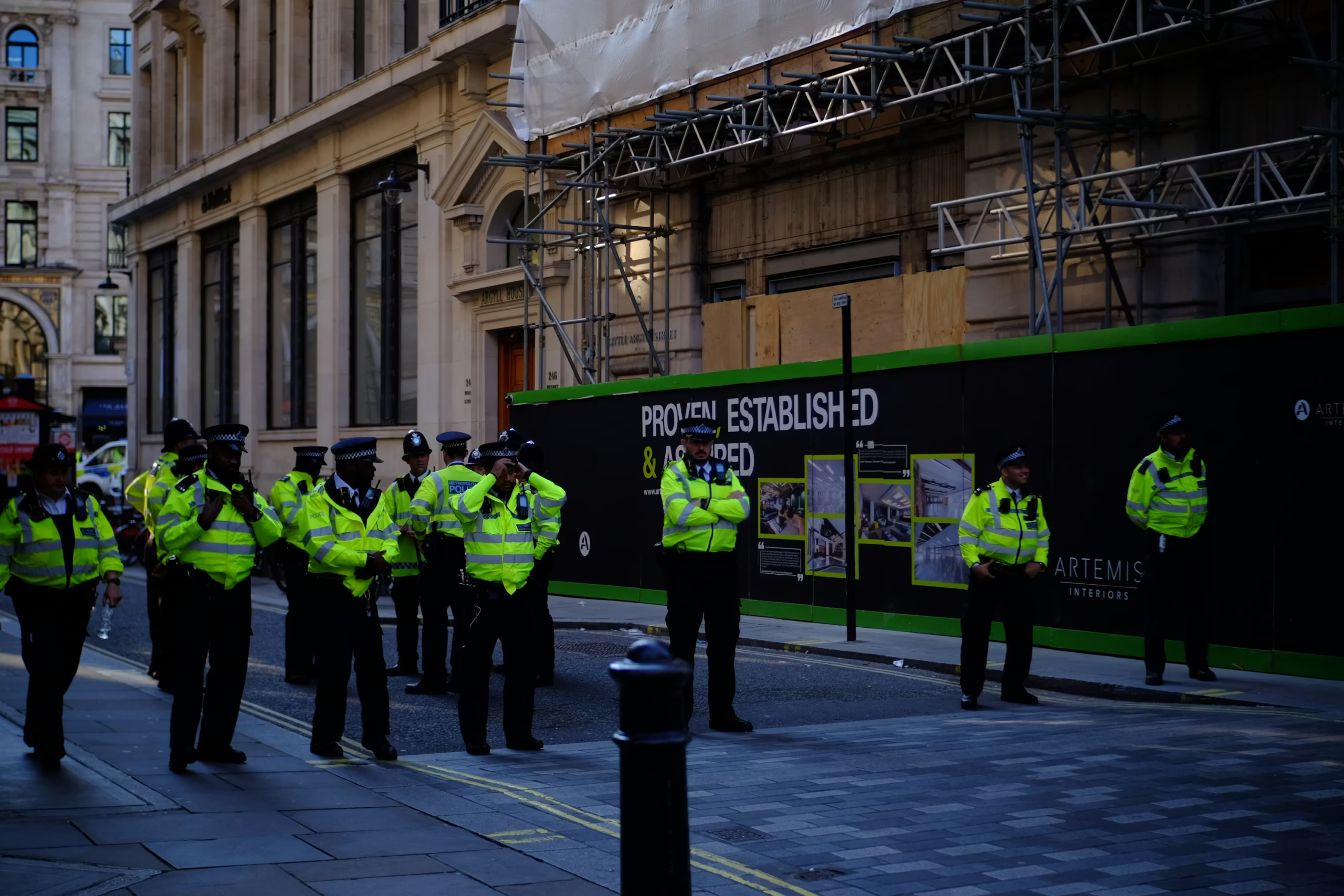
Video footage circulated by British media outlets, including The Mirror, documented scenes of mass running and street skirmishes. This prompted an immediate intervention by the Metropolitan Police, who authorized a legal “Dispersal Order” to clear the area and restore public order.
Recurring Trends and the Psychology of Digital “Thrill-Seeking”
Madmass in Clapham today pic.twitter.com/vS6arHlOuY
— London & UK Street News (@CrimeLdn) March 31, 2026
A closer examination of this incident reveals that it is neither a one-off event nor an isolated case; rather, it is the latest link in a chain of social media-driven disturbances that have increasingly unsettled British cities.
Similar scenes played out last year in the heart of London’s Oxford Street, as well as in areas like Southend and various suburbs across East London. This recurring pattern signals a shift in the collective behavior of certain youth demographics, who view these gatherings as a form of entertainment or defiance. Driven by digital algorithms, these movements gain significant momentum, framed within online circles as a type of social “adventure.”
Motivations Behind the Gatherings and Social Responsibility
View this post on Instagram
The root causes of this recurring phenomenon lie primarily in the overlap between school holidays and a lack of sufficient organized youth activities. This is further compounded by a desire among young people to create “trending” digital content to garner widespread engagement. Such dynamics place law enforcement in a position of navigating complex field challenges that demand an exceptionally rapid response.
Consequently, there is an urgent need for comprehensive community awareness among all UK residents, including British Arabs. It is vital for parents to monitor their children’s digital footprints and educate them that participation in these gatherings—even if driven by mere curiosity—can result in severe legal consequences and permanent criminal records that may jeopardize their future prospects.
Recommendations for Public Safety
The fundamental advice for all remains the necessity of sourcing information from official channels and following the social media accounts of local police forces for real-time alerts regarding suspicious gatherings. Moreover, individuals and families are urged to avoid areas of spontaneous crowds as soon as signs of unrest emerge, ensuring their safety and well-being in public spaces.
Read More:
- Tens of Thousands Protest in London Over the Israeli-American Aggression Against Iran and Escalating Middle East Conflict
- The ‘2026 Files’ Shockwave: Mandelson’s Downfall and Windsor Under Siege in the Renewed Epstein Storm
- Trump and Netanyahu vs Iran: Arab Reflections in a Time of Regional Crisis
ShortURL ⬇