


The Jurisprudential Case for Monetary Zakat al-Fitr: Beyond Literalism
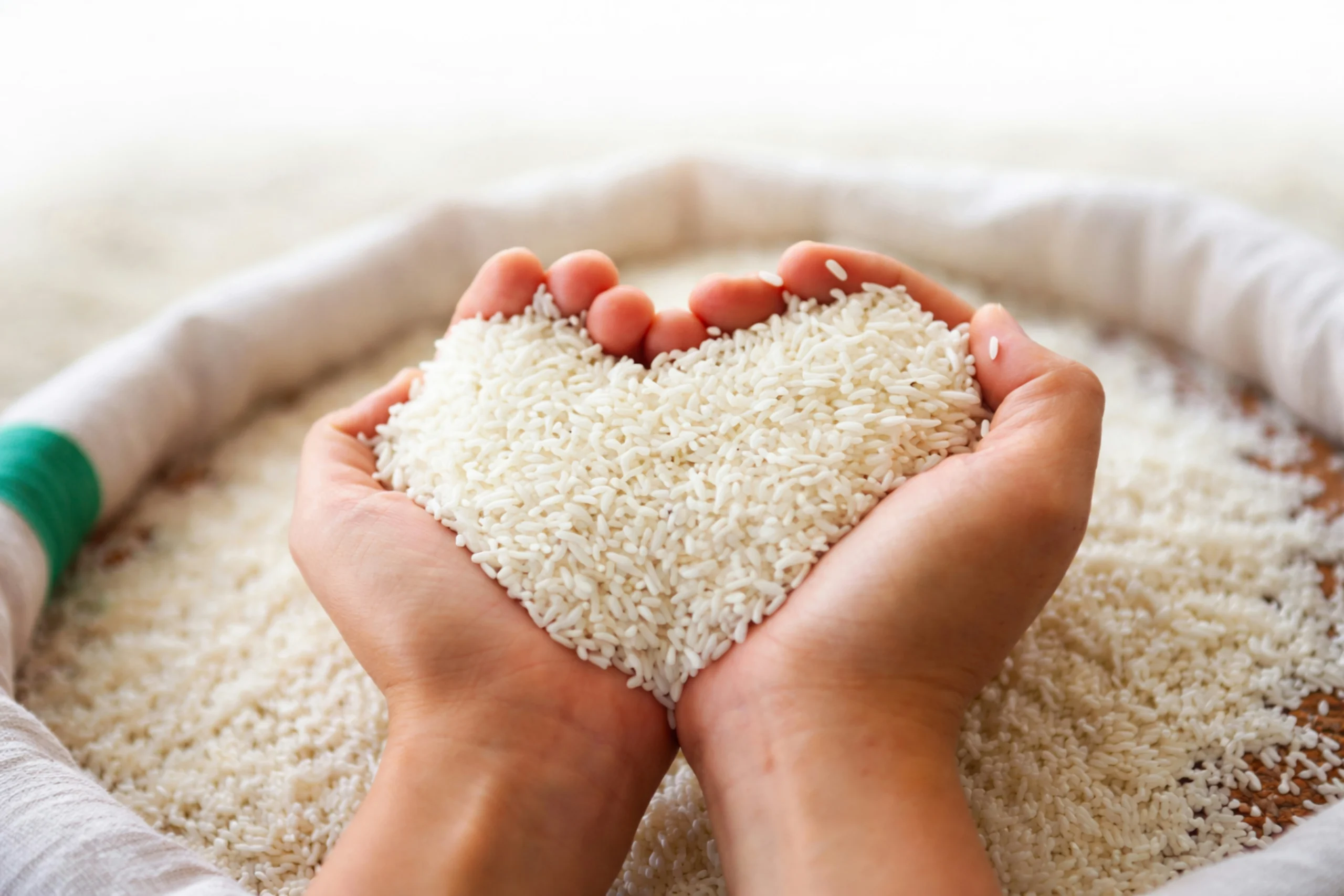
In Britain today, giving Zakat al-Fitr in food commodities like dates, barley, or raisins often fails to achieve its intended purpose. Monetary Zakat, on the other hand, ensures that families in need can celebrate Eid with dignity, meeting their immediate and practical needs. This approach is not a modern innovation but a legitimate and historically grounded interpretation of Islamic law, aligned with the objectives of the Shari’ah (Maqasid al-Shari’ah).
Why Monetary Zakat Makes Sense Today

The Prophet ﷺ prescribed specific food items in 7th-century Medina because they were widely circulated forms of wealth. These items were not merely food—they were practical instruments for transferring value to those in need.
In modern Britain, however, the economy and daily life are different:
- Practicality: Giving a sack of raw barley to a London or Manchester family often creates a burden rather than relief.
- Choice and Dignity: Monetary Zakat allows recipients to meet their real needs—paying bills, buying clothing, or providing gifts for children.
- Effectiveness: Selling in-kind donations often results in a financial loss, reducing the benefit intended for the poor.
By giving the value in money, we better honour the Prophet’s objective: ensuring the poor are truly enriched on Eid.
Historical Precedent Supports Monetary Zakat

Monetary Zakat is not a “liberal” reinterpretation. Prominent scholars and historical leaders have supported it:
- Hanafi School: Imam Abu Hanifa emphasised that the essence of Zakat is meeting the needs of the poor, which may be best served through monetary value.
- Umar ibn Abd al-Aziz: This righteous Caliph accepted silver dirhams in place of grain, recognising changing economic conditions.
- Imam Ibn Taymiyyah: While affirming the textual guidance, he argued that giving the value in money can be superior if it better serves the poor.
These examples show that the practice has deep roots and reflects a longstanding diversity of scholarly opinion.
Challenges of In-Kind Distribution in the UK

Providing Zakat al-Fitr as food in Britain faces practical and ethical obstacles:
- Logistics: Transporting, storing, and distributing large quantities of grain diverts resources away from direct aid.
- Dignity: True enrichment respects the recipient’s agency and ability to choose.
- Market Limitations: Recipients may have to sell donated food at a loss, reducing the intended benefit of Zakat.
Monetary Zakat resolves these challenges by giving direct, flexible support that meets the actual needs of the poor.
Currency and the Prophetic Model

Some argue that paper money did not exist in the Prophet’s time, so it cannot be used. This is a narrow reading. Islamic law has always adapted to changing economic contexts:
- Gold and silver transitioned into coins, then modern currency.
- Paper and digital transfers are now accepted for Zakat al-Mal, dowries, and trade, without compromising the law’s spirit.
Today’s sterling functions as the modern equivalent of the Sa’, the measure used in the Prophetic era.
Conclusion
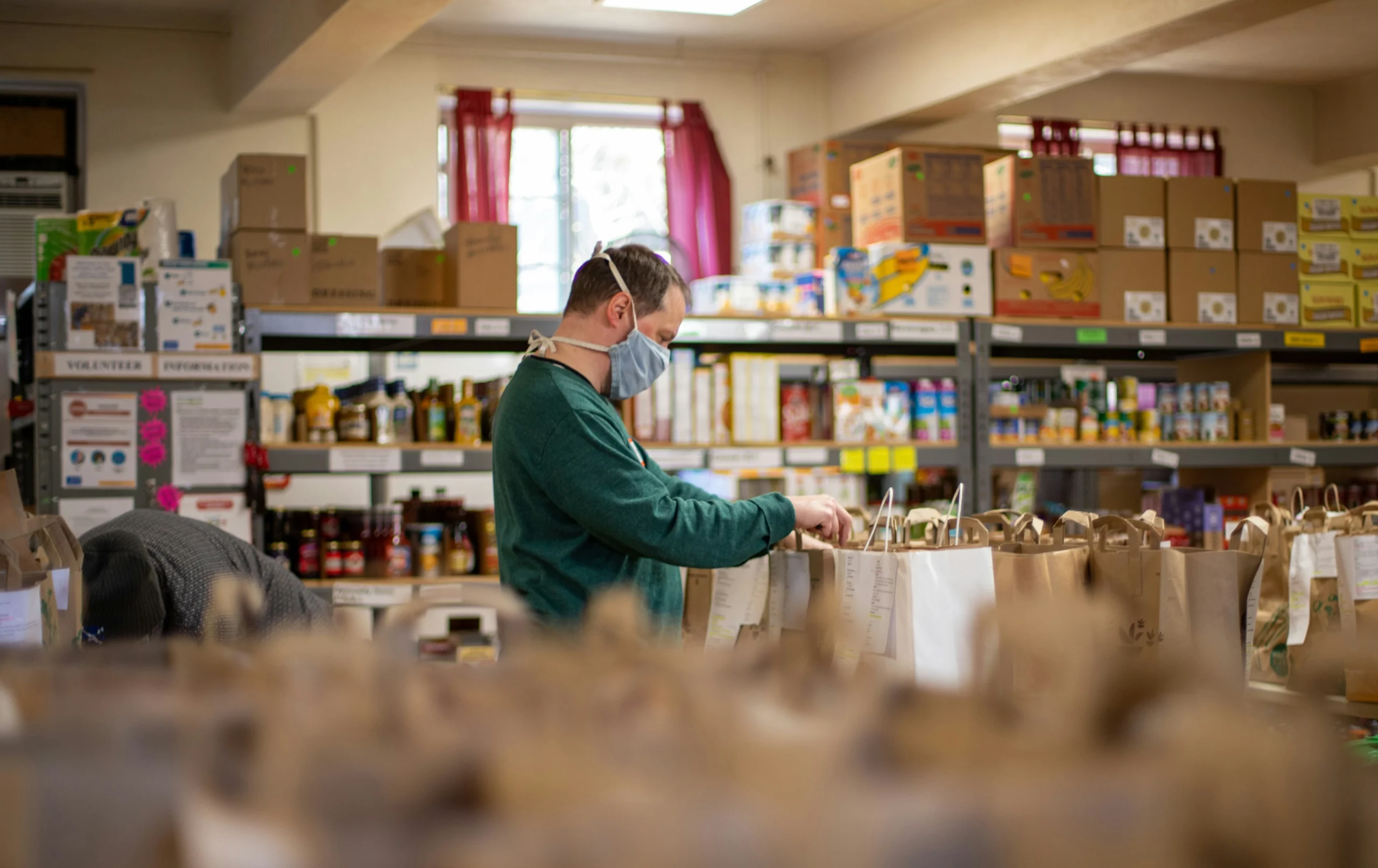
Paying Zakat al-Fitr in money is not a shortcut—it is a faithful application of Shari’ah principles. It ensures that those in need in Britain are truly enriched, not burdened, and can celebrate Eid with dignity and joy.
Following the Prophet ﷺ most closely means achieving his intended outcome: that every believer, especially the most vulnerable, experiences sufficiency, relief, and happiness on the day of Eid.
Also read :
ShortURL ⬇