


22 July: A Reflection on Shock, Resilience and the Challenge of Far-Right Extremism
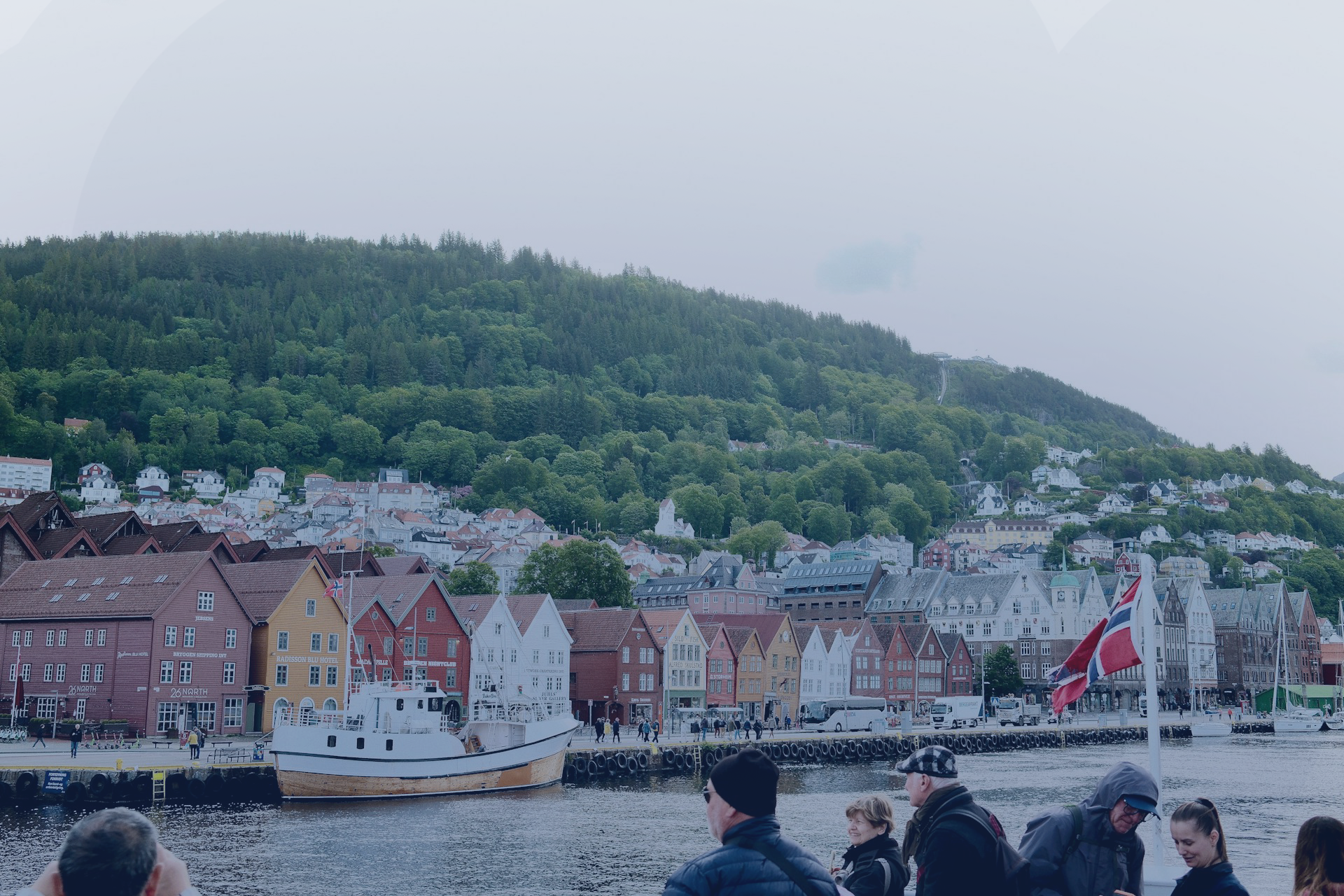
Whenever my thoughts return to 22 July, the film depicting the 2011 terror attacks in Norway, I find it impossible to treat it as a simple thriller or dramatic retelling. It feels instead like a stark visual record of a defining moment in modern European history, one that revealed how vulnerable even the most peaceful societies can be when confronted with far-right hatred and fear of the Other.
This is not only a Norwegian story. It forms part of a wider pattern that stretches across Europe and into Britain, where similar narratives shape public debate, influence election results and inform the approaches taken by some institutions on immigration and asylum.
A Day That Shook Europe and a Wound That Has Not Fully Healed
The film revisits the attacks carried out by a single individual who was driven not by personal grievance but by a fully formed ideology. A car bomb exploded outside a government building in Oslo, followed by a mass shooting at a youth summer camp on Utøya Island. Dozens of young people were murdered.
Although the facts are familiar, the film’s strength lies in showing how directly rhetoric can lead to violence. It demonstrates how language rooted in fear, identity and the supposed threat of migrants can be translated into bullets, and how one person can turn manufactured panic about immigration into justification for mass murder.
This point is especially relevant for Arabs in Britain today. Certain political currents continue to present migrants as a threat to national identity or as a burden on public services. The Norwegian tragedy reminds us that violence does not emerge from immigration. It emerges from incitement against immigrants.
The Victims: From Statistics to Human Stories
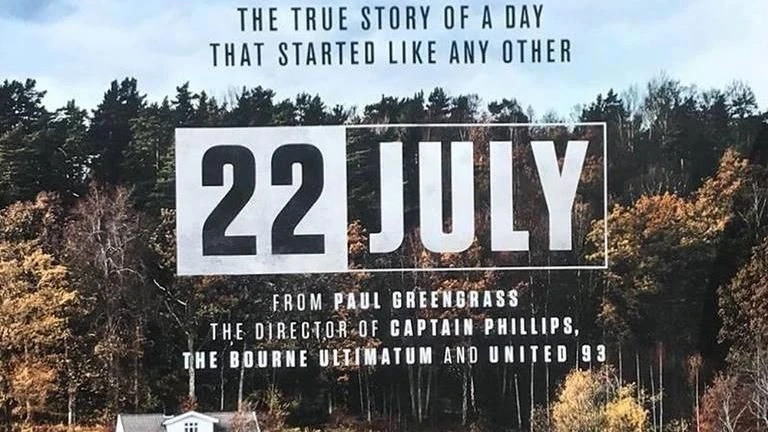
Director Paul Greengrass gives space to the victims, most notably to Viljar Hanssen, a young survivor who endured life-changing injuries and later stood before the perpetrator in court with words rather than anger.
His journey from witness to pain to bearer of truth offers a powerful lesson. Societies heal not through silence or suppression, but by allowing victims to speak.
In Britain, where minority communities have faced racism, sectarian incidents and targeted attacks, creating room for those affected, without politicising their trauma, remains essential to building a society that rejects hatred in all its forms.
The Film’s Central Message: Extremism Cannot Be Met with Half-Measures
It is easy to treat 22 July as a painful reminder of a tragedy from the past. A deeper look reveals difficult truths. The perpetrator was not an isolated figure acting alone in madness. He was shaped by a broader ideological movement that portrayed Europe as threatened by Muslims, migrants and multiculturalism.
We hear similar echoes in parts of British politics and media today, particularly in discussions about asylum seekers, small boats, schools and even community institutions.
The film, without lecturing, offers a clear warning. Far-right extremism cannot be countered with symbolic gestures or superficial calls for tolerance. It must be challenged at the level of the narrative itself.
Why This Film Matters for Arabs in Britain
Arabs in Britain are not marginal to the national story. We are part of it.
Just as Norwegian society confronted and rejected the ideology that led to the tragedy, British society is capable of unity when faced with the full truth.
The film serves as a reminder that the conversation on immigration cannot be left to the loudest or most extreme voices. Our responsibility is to participate actively by:
- highlighting achievements rather than internalising stereotypes
- insisting on fairness, equality and the rule of law
- rejecting the use of security concerns as a justification for discrimination
Between Norway and Britain: A Shared Danger and a Shared Path to Prevention
22 July is more than a film. It is a warning.
Extremism rarely appears suddenly. It begins with a word, a slogan, a fear-driven campaign and if unchallenged, it can lead to violence. No society is immune. Even the most prosperous Scandinavian nations have not been spared.
Yet the film also leaves room for hope. Justice is possible. Civic responsibility is possible. A society that is resistant to racism is possible, provided that all communities are included in the conversation and diversity is recognised as a strength rather than a threat.
At a time when far-right narratives are gaining ground across Europe, the film is a timely reminder of an essential principle. Human dignity is indivisible, and a society’s safety begins with respect for its diversity, not fear of it.
ShortURL ⬇