

More than 1,000 Palestinian figures call for an elected National Council and diaspora representation
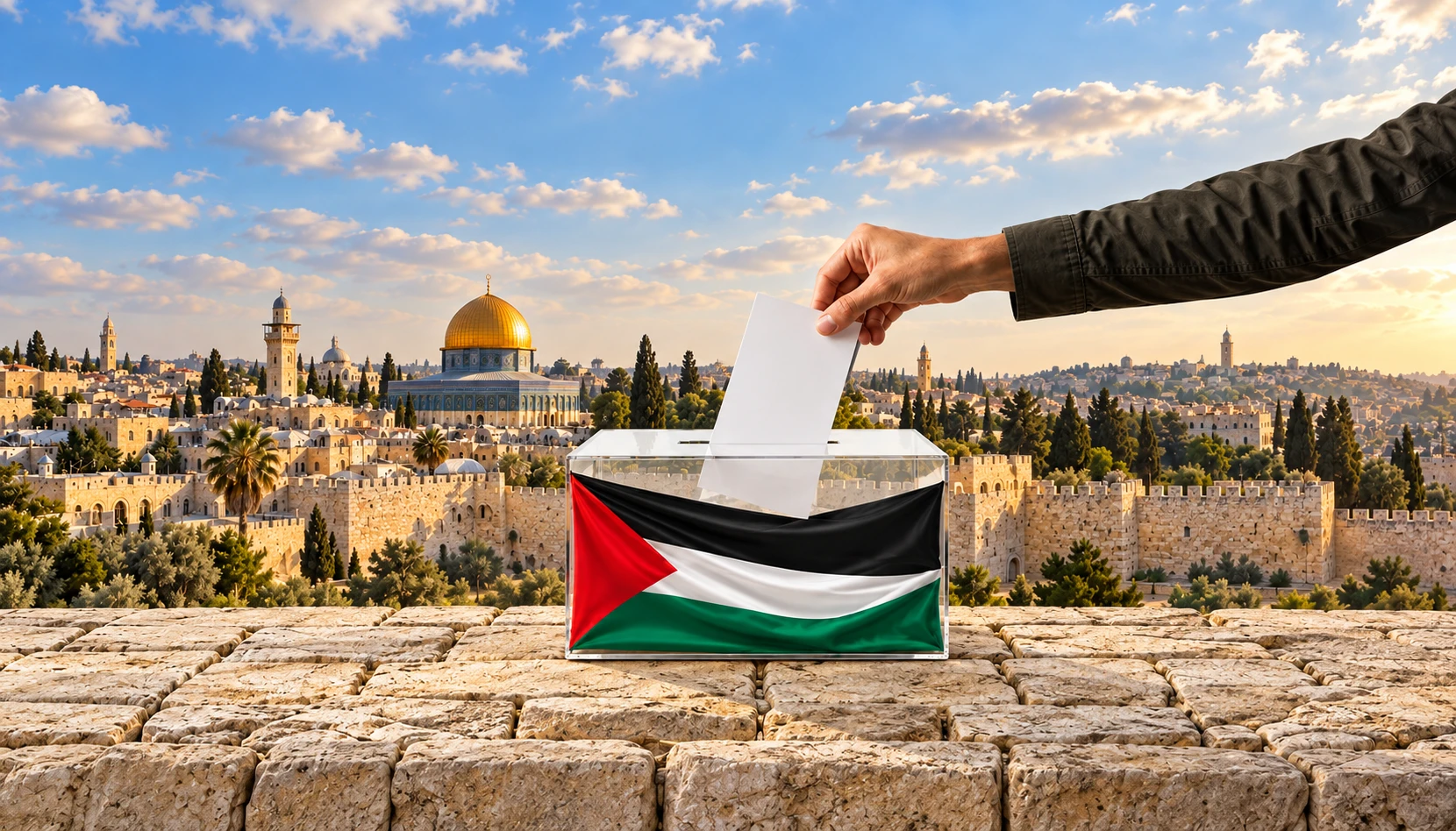
More than 1,000 Palestinian figures call for an elected National Council and diaspora representation
More than 1,000 people have signed a Palestinian petition calling for the Palestinian National Council (PNC) to be elected rather than formed through appointments, according to a document reviewed by Al-Arab in UK. The petition places the participation of Palestinians in the diaspora, including those living in Britain, at the centre of efforts to renew national representation.
The Palestinian National Authority for Popular Action launched the petition in August 2026 under the slogan “No legitimacy through appointment, and no representation without elections.” It calls for free, fair and inclusive elections that allow Palestinians to choose their representatives, while rejecting exclusion, interference in the electoral process and attempts to disregard the results.
What does the petition demand?

The petition states that the Palestinian people are the source of national legitimacy and that this legitimacy must be renewed through the election of their representatives and leaders. It calls for every Palestinian to have the right to vote and stand for election, without discrimination or political conditions that restrict their choice.
It also demands equal opportunities for candidates and political groups, safeguards against fraud and interference, and respect for election results. The signatories reject postponing elections or using appointments in their place, whether on the basis of organisational positions, administrative roles or a political fait accompli.
These demands come amid debate over the composition of the PNC and the rebuilding of the institutions of the Palestine Liberation Organisation (PLO). The petition raises a central question: how can a representative body derive its legitimacy from Palestinians if they have no say in choosing its members?
Palestinians in Britain and across the diaspora
The petition gives Palestinians living outside their homeland a central place in its demands. Its signatories argue that Palestinians at home and abroad are one people, and that those living in refugee communities and countries of migration must have a voice in national decisions. They call for fair and meaningful representation on the PNC, including for Palestinians in refugee camps and communities across the Arab world and beyond.
In the signatories’ view, the PNC cannot reflect the will of the Palestinian people if millions living in the diaspora are excluded or represented by people they did not choose. The petition also rejects internal or external pressure on the electoral process.
Britain is among the countries where signatories live, alongside Turkey, Syria, Jordan, Lebanon, Sweden, Qatar, Germany, Denmark and others. The document records participation from Palestinians in Damascus and surrounding areas, including the Yarmouk, al-Husseiniya, Sbeineh and Khan al-Shih communities, as well as Tal Shihab and al-Muzayrib in southern Syria.
According to the document, signatories’ families trace their roots to Palestinian cities and towns including Gaza, Safad, Jerusalem, Hebron, Haifa, Ramallah, Jaffa, Nablus, Jenin and Bethlehem. The list brings together people working in politics, journalism, academia, medicine, engineering, law, trade unions and community organisations, as well as students, businesspeople and grassroots activists.
Who has signed?

Among the names listed in the document are Mustafa Barghouti, Wadah Khanfar, Hassan Khreisheh, Mueen al-Taher, Salah Salah, Fayez Abu Shamala, Ahmed Ghoneim, Oraib Rantawi, Majed al-Zeer, Hisham Abu Mahfouz, Sami al-Arian, Ahmed Muhaysin, Musa Saleh, Muawiya al-Masri, Ruba al-Masrouji, Omar Assaf, Mohsen Saleh, Luna Abu Sweireh and Osama Abu Irshaid.
Other signatories named include Adnan Hamidan, Ahmed al-Atawneh, Khaled Fahd, Kamilin Shaath, Fares Fahmawi, Fayez al-Suweiti, Mohammed Mshish, Riyad Masharqa, Tareq Hammoud, Nawaf al-Takrouri, Ziad al-Aloul, Firas Abu Hilal, Hafez al-Karmi, Ibrahim al-Ali, Fidaa al-Zumr, Ashraf Nasrallah, Kazem Ayesh, Iyad Abdel Aal, Ahmed Howeidi, Anas al-Hajj, Adnan Abu Shuqra and Ali Howeidi.
The document also lists Bassam Badarin, Zaher Birawi, Salim Assi, Hussein al-Hajjawi, Hossam al-Dajani, Saida Abu al-Baha, Khaled Hnein, George Haddad, Hossam al-Dakki, Hussein Abu Qallin, Mohammed Amin, former prisoner Othman Bilal, Khader al-Mashayekh, Khalil al-Bayouk, Mueen Naim and PNC member Samir Oweis.
The petition identifies a number of signatories by their work or place of residence. They include Suhail Salman, head of the Anti-Wall Committee in Tulkarm; doctor and activist Khaled al-Jabbah; US-based activist Talal al-Burno; Britain-based visual artist Bisan Arafat; Razan Akram Zuayter, president of the Arab Group for the Protection of Nature; Maher al-Nimri, an activist involved in Jerusalem-based associations; and Nimer Abu Ghneim, an activist in Jordan’s Baqa’a refugee camp.
Also listed are cardiologist and activist Osama Akka; businessman Bassam Mahous; Rakan Mahmoud, president of the Irbid Camp Club; journalist Ziad Khaddash of Ramallah; doctor and political activist Nidal Marqa; and Hussein al-Sheikh Ali, head of the Wadi al-Hawarith Association in Tulkarm.
Further signatories include Atef Safi, who has spent decades documenting the residents and lands of the village of Beit Nabala; Abdel Fattah al-Suweis, vice-president of the Hanouneh Association for Popular Culture; Wajih Safi, president of the Beit Nabala Association in Jordan; doctor and activist Abeer Annab; political science doctorate holder Amjad Rafiq Shehab; and Switzerland-based trade union activist Osama Amr.
The document also names Britain-based lawyer Adnan al-Sabah, Gaza-based writer Adnan Ibrahim Sabah, Imad al-Ifranji, Issa al-Suweis, Ghassan Abu Hussein and Abdel Majid Shadid. The petition page provides a link to the full list of signatories.
The petition sums up its position with the words: “No legitimacy through appointment, and no representation without elections.” For its signatories, renewing Palestinian national institutions begins by allowing Palestinians everywhere, at home and across the diaspora, to choose their representatives and take part in national decision-making.
Full list of signatories:
https://pnpa.global/petitions/1
Read more:
ShortURL ⬇