Al-arab In UK | Where Should New Homes Be Built – and Who Are T...

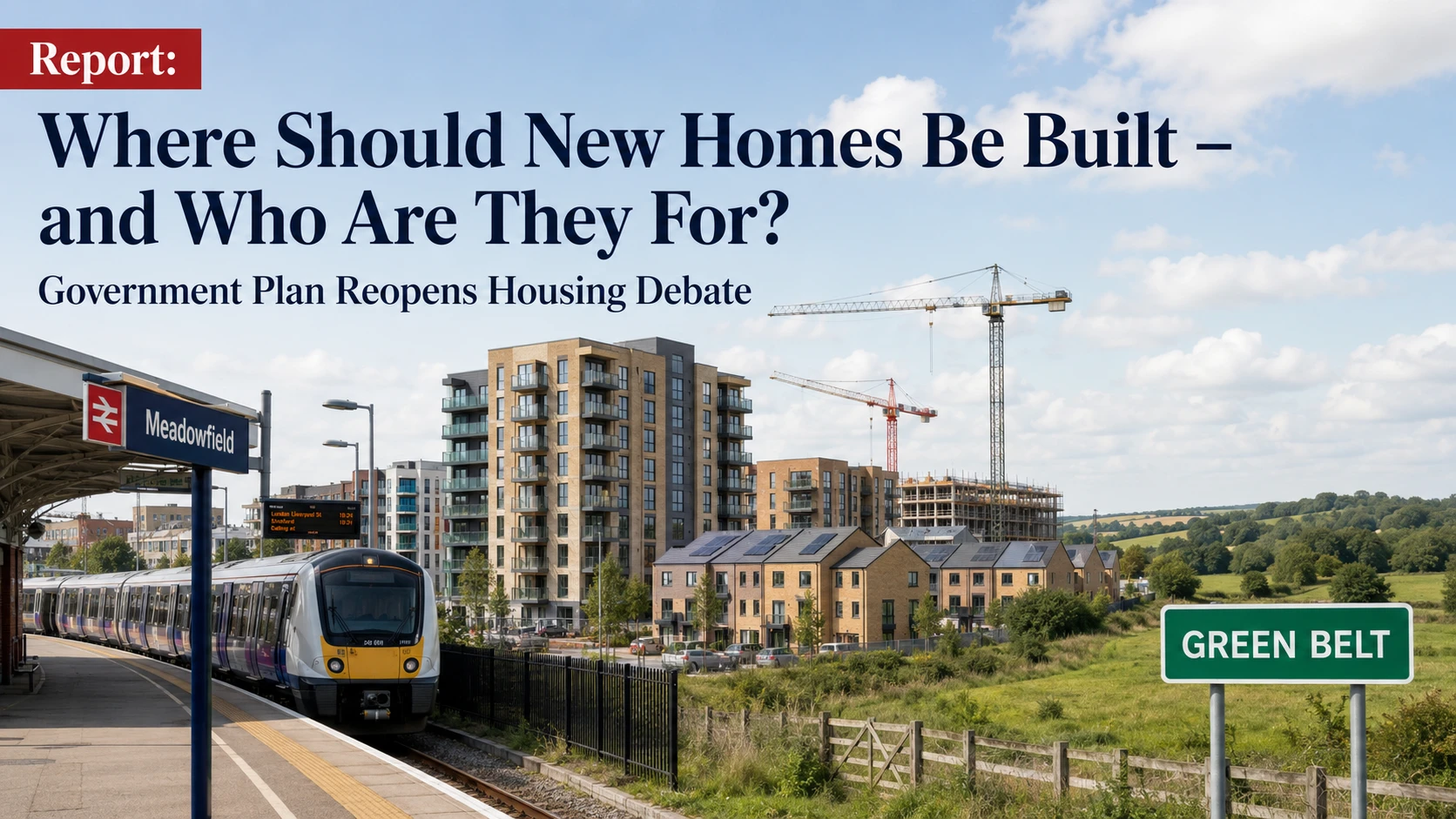
Report: Where Should New Homes Be Built – and Who Are They For? Government Plan Reopens Housing Debate
Report: Where Should New Homes Be Built – and Who Are They For? Government Plan Reopens Housing Debate
Mohamed Saad 17 August 2026
Share
Listen to the article
0:00 / 0:00
AI Voice Generated by Moknah.io

New planning rules announced by the government on Monday 17 August have reopened one of the oldest arguments surrounding England’s housing crisis: if the country needs hundreds of thousands of new homes, where should they be built? And is increasing supply enough, or is the more important question whether those homes will actually be affordable to the people who need them?

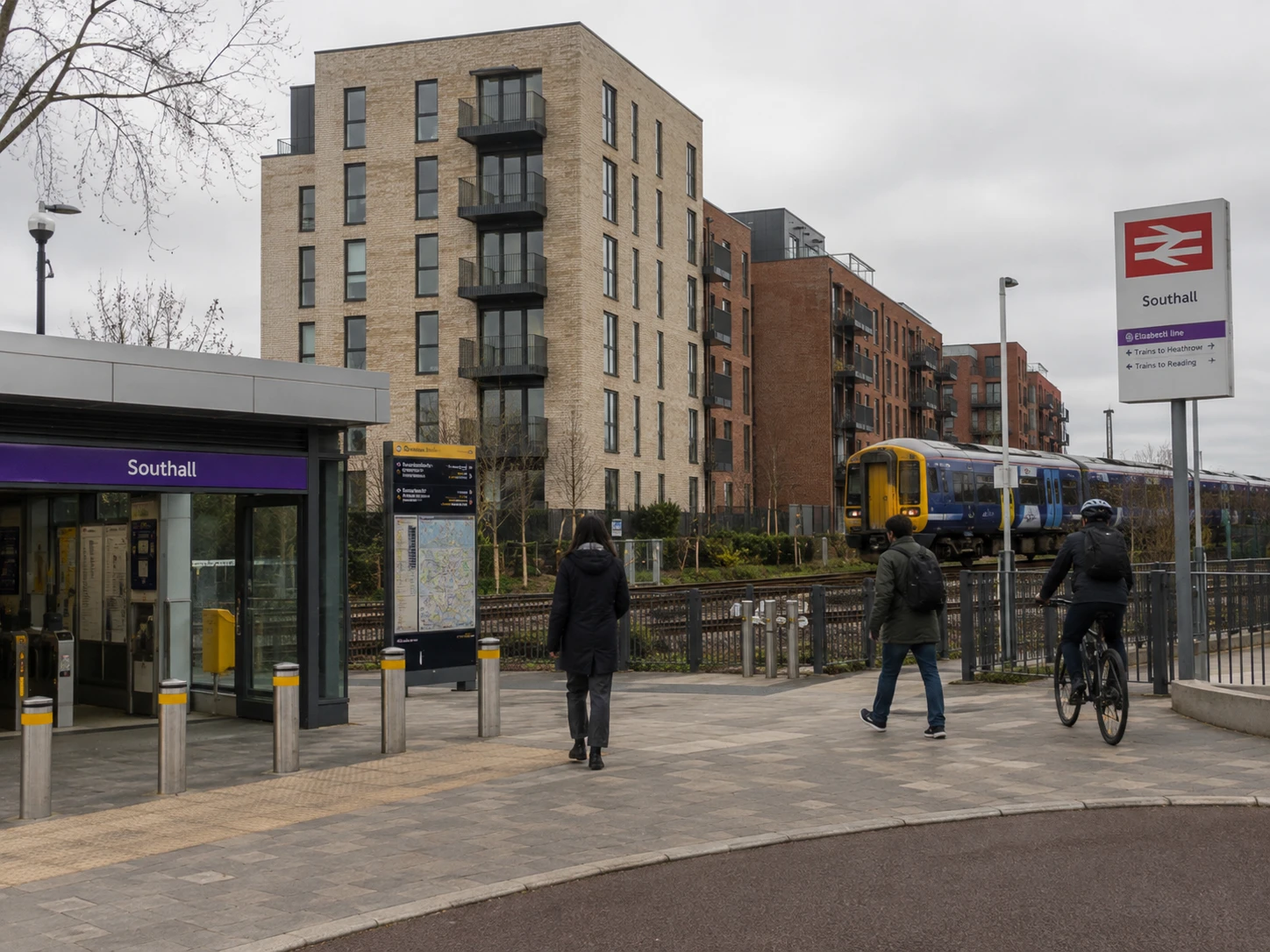
Under the government’s new National Planning Policy Framework, housing developments within reasonable walking distance of well-connected train, tram and underground stations will, as a starting point, receive “approval in principle”, with minimum density expectations set for those areas.

Ministers say the aim is to build thousands of homes close to jobs, schools and public transport, at a time when the government has passed only slightly more than a quarter of the way towards its stated target of building 1.5 million homes over the course of this parliament.

But the rules do not stop at land already inside cities.

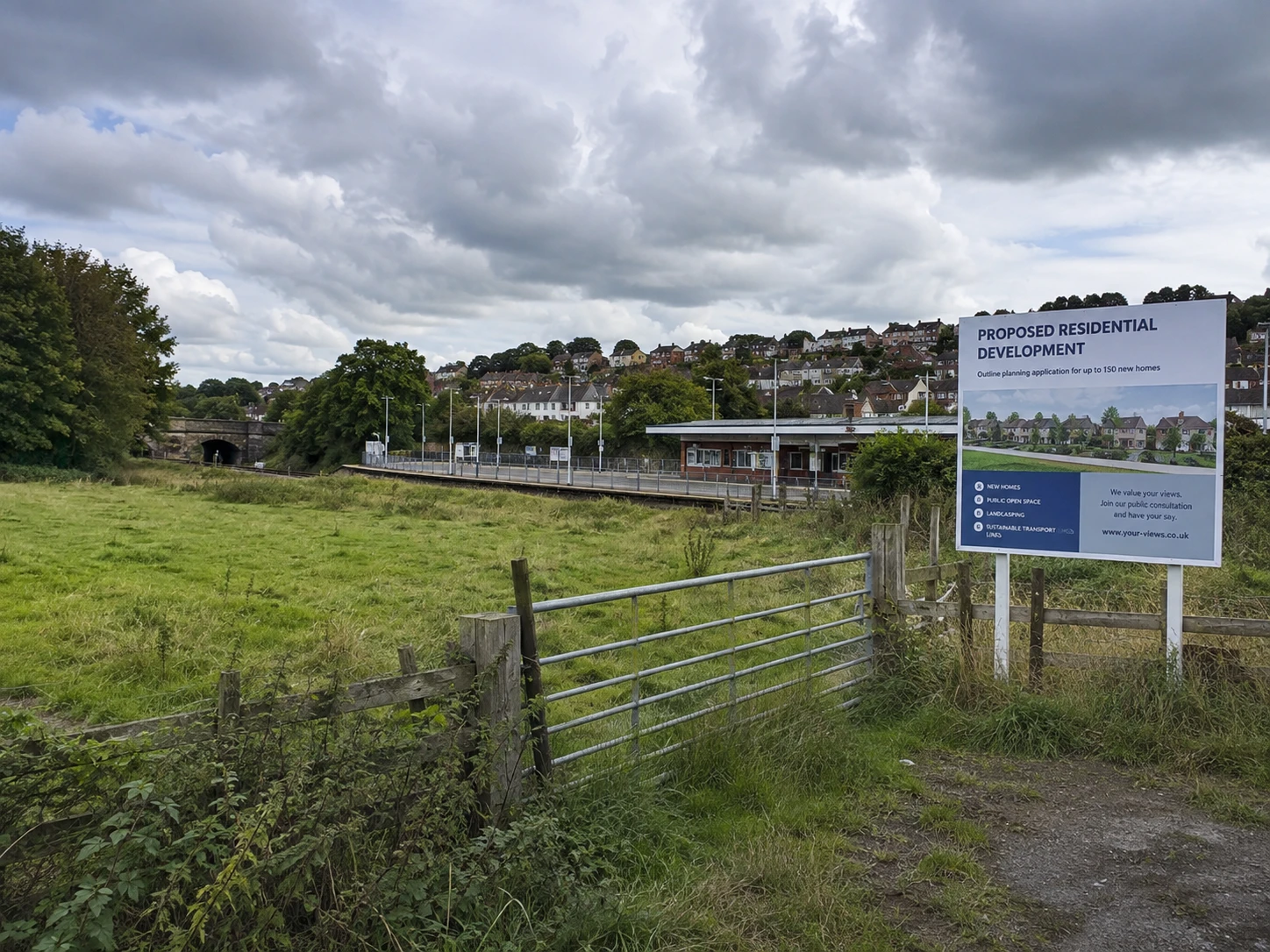
Ministers have confirmed that the principle could extend to some land within the green belt – the planning designation that restricts development across open areas surrounding many towns and cities in order to limit urban sprawl and preserve separation between settlements.

That has immediately revived the dispute between those who argue that planning restrictions block development in some of the most suitable places for housing and those who warn that the housing crisis is becoming a justification for expanding into the countryside at the expense of local decision-making.

Why Stations?

The government presents development around transport hubs as a way of addressing two problems at once: the shortage of homes and the difficulty many people face in reaching jobs and public services.

Housing, Communities and Local Government Secretary Angela Rayner said many people could no longer afford to live in the communities where they wanted to work and make their homes. Building around transport hubs, she argued, would make it easier to reach jobs, schools and services while supporting local economic activity.

Transport Secretary Heidi Alexander has also argued that increasing housing density around stations, alongside better walking, cycling and public transport links, could expand access to jobs and services while helping sustain the transport networks themselves.

The policy forms part of a broader overhaul of the planning system, giving stronger support to development in locations the government considers sustainable and greater weight to national policy where local rules conflict with national housing priorities.

The Green Belt at the Heart of the Dispute

The difficulty begins when the most suitable station lies beyond the existing urban boundary.

Speaking to Sky News, Housing Minister Matthew Pennycook confirmed that the “approval in principle” approach could apply to sites within the green belt.

He argued that previously developed land alone does not provide enough viable sites to meet housing demand. The government says it will prioritise lower-quality land and require green-belt developments to comply with what it calls “golden rules”, including higher levels of affordable housing, green space and suitable infrastructure.

The Centre for Cities welcomes that approach. Its chief executive, Andrew Carter, has described giving housing near stations a presumption in favour of development as a “vital reform”, arguing that it could unlock large numbers of homes directly connected to labour markets in major cities.

He says green-belt restrictions have so far blocked important sites along commuter routes and argues that the amount of land required would represent only a small fraction of the green belt as a whole.

Earlier Centre for Cities research suggested the potential scale could be substantial.

One estimate found that allowing development around stations within the green belt could provide land for about 2.1 million homes near five major English cities while using less than 2% of the green-belt land concerned.

The Campaign to Protect Rural England, CPRE, takes a very different view.

It argues that previously developed urban land could accommodate as many as 1.4 million homes and says there is no justification for creating areas where development near stations outside existing settlements receives an almost automatic green light.

CPRE also warns against treating the presence of a railway station as sufficient evidence that a site is sustainable.

Some rural stations, it argues, have few nearby services, meaning new development could actually increase car dependency and encourage dispersed urban expansion.

The organisation supports building near stations within urban areas and on brownfield land but opposes turning that principle into a wider rule across the green belt.

Who Gets to Decide?

The plan has also opened a second dispute – one less about the land itself than about who decides how it should be used.

According to The Guardian, the new national rules will reduce the influence of local policies when they conflict with national priorities on housebuilding.

That has led both the Conservatives and Reform UK to accuse the government of taking power away from councils and local communities.

Richard Tice, Reform UK’s deputy leader, has argued that the policy contradicts Andy Burnham’s own devolution agenda.

He says the government is promising councils greater independence on one hand while giving Whitehall greater power on the other to push through large housing schemes despite local objections.

Shadow Housing Secretary James Cleverly has described the changes as a “power grab”, accusing the government of forcing communities to accept development in unsuitable locations instead of concentrating on sites that could be developed more effectively.

But What Kind of Homes Will Be Built?

Behind the argument over where homes should go lies another question: is increasing the number of homes enough?

The government says developments on green-belt land will face requirements on affordable housing and points to wider investment in social and affordable homes.

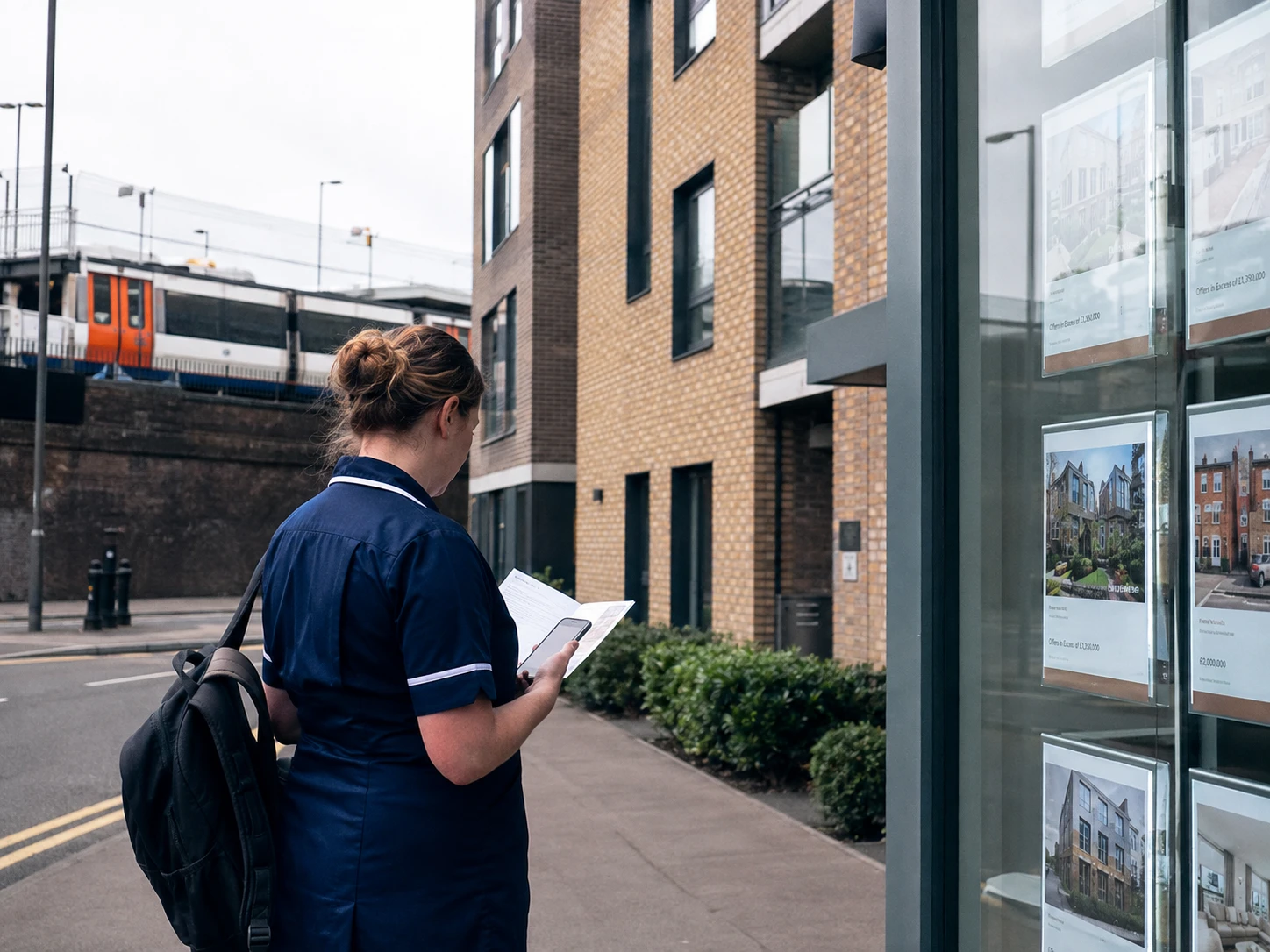
But housing organisations warn that increasing supply without addressing affordability could still result in new homes that many of the people cities depend on cannot afford to buy or rent.

Recent research by the G15, which represents some of London’s largest housing associations, illustrates this side of the crisis.

An analysis carried out for the group by the Centre for Economics and Business Research, CEBR, found that residents of social housing in London contributed around £27.8bn to the capital’s economy in 2024.

Among those in work, 65% were employed in essential occupations, including health, social care, education, transport and retail.

Ian McDermott, chair of the G15 and chief executive of Peabody, argues that the shortage of social housing is not merely a social problem but an economic one.

High housing costs, he says, make it harder to recruit nurses, teachers, carers, transport workers and others on whom the city depends.

The report also shows how much difference the type of housing can make.

The average monthly rent for a two-bedroom social home is about £715, while renting a comparable property privately can consume a very large share of workers’ incomes in some parts of the capital.

From that perspective, the question is not simply whether thousands of flats can be built beside a railway station.

It is who will be able to live in them once they are finished.

Is There Already Enough Land?

None of the disagreement means the different sides deny that England faces a housing shortage.

The government says 1.5 million homes need to be built during this parliament and that it has now passed slightly more than a quarter of that target.

But CPRE argues that a large share of the need could be met on brownfield land if redevelopment within existing urban areas were given priority.

Centre for Cities, by contrast, says brownfield land alone cannot provide enough housing in the places where prices and demand are highest, and argues that the green belt around major cities blocks development precisely along transport corridors connecting people to jobs.

There is a parallel disagreement over affordable housing.

CPRE itself argues that new affordable homes should be linked to local incomes rather than market prices. It also warns that developers’ use of financial viability assessments could later reduce affordable-housing requirements or infrastructure contributions, even on green-belt developments.

The government’s plan therefore brings together three separate arguments under a single heading: how much housing England needs, how far land and local decision-making should be protected, and what kind of homes should actually be built.

Ministers are betting that development around transport hubs can combine housing, jobs and economic growth in the same places.

Supporters argue that existing planning restrictions prevent cities from using suitable land for development.

Green-belt campaigners warn that “approval in principle” could instead encourage avoidable expansion into rural areas.

And the social-housing sector argues that the number of homes built will not solve the crisis if those homes remain beyond the means of the workers who need them.

That brings the debate back to the question with which the policy began.

If England broadly agrees that it needs more homes, where should those homes be built, who should decide where they go – and who, ultimately, are they being built for?

اترك تعليقا