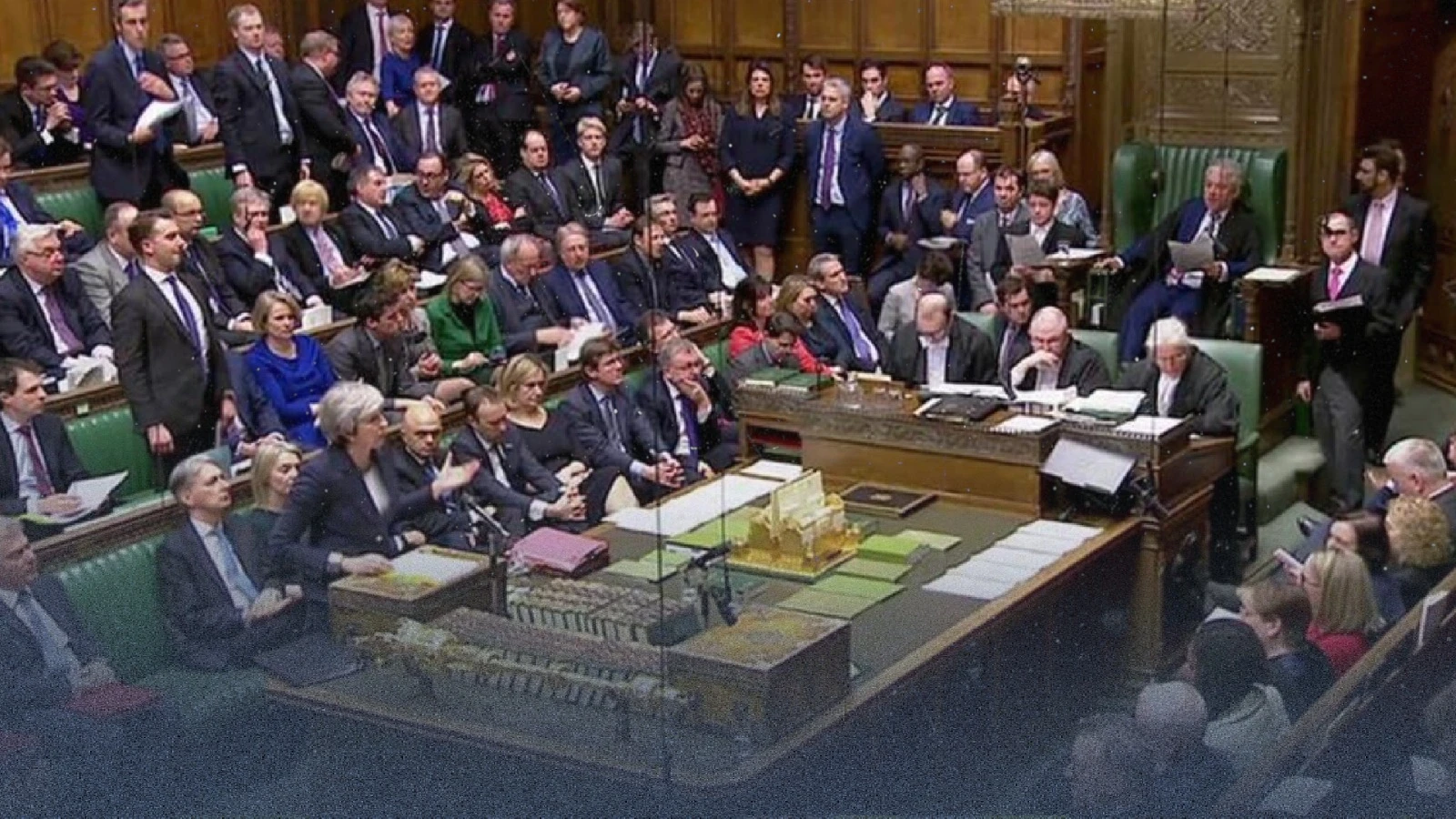
The Speaker of the House of Commons is responsible for maintaining order and regulating debate within the chamber. When a member uses inappropriate language or makes a direct accusation against another member, the Speaker can require them to withdraw the remark. If they refuse, the Speaker may invoke a procedure known as “Naming,” a formal disciplinary mechanism within parliamentary rules that typically leads to the member’s suspension or removal from the sitting for a specified period.
This authority is not absolute; it operates within clear conventions and procedures, and is usually exercised after warnings, reflecting a balance between freedom of speech and the need for orderly debate.
Recent Incidents Reviving the Debate
Recent incidents have once again highlighted these rules, as members were asked to withdraw remarks deemed unparliamentary during heated exchanges. In cases where compliance was refused, members were excluded in accordance with established procedures. Such incidents occur from time to time, particularly during sensitive political debates, underscoring that the rules are applied regardless of political affiliation.
Among the examples that sparked wider discussion are separate incidents involving Zarah Sultana and Lee Anderson. During intense debates in the chamber, both were asked to withdraw statements considered to breach parliamentary conventions, especially when they involved direct accusations or sharp language toward political opponents. When the remarks were not immediately withdrawn, the Speaker intervened, reiterating rules that prohibit direct personal accusations. These cases were not exceptional, but rather recent illustrations of the continued enforcement of longstanding parliamentary traditions, allowing sharp political criticism, but within clearly defined linguistic boundaries.
An Unwritten Code: What Counts as Unparliamentary Language?

The British Parliament does not maintain a fixed official list of banned words, but a long-standing tradition rejects language that directly accuses another member of lying or acting in bad faith. As a result, terms such as:
- “liar”
- “misleading”
- or accusations of deliberate deception
are generally considered unacceptable when directed personally at another member within the chamber.
The aim is to ensure that debate remains focused on policies and decisions, rather than personal motives or character.
The Art of Linguistic Evasion: Criticism Without Breach
These linguistic constraints have led members, over time, to develop a distinctive style of criticism, one that conveys meaning without explicitly breaking the rules. A classic example is the phrase:
“terminologically inexact”
used instead of directly accusing someone of lying.
Another well-known expression is:
“economical with the truth”
which implies that statements are incomplete or selective without constituting a formal breach of the rules.
Anecdotes from the Archives of Expulsion and Protest
1. Winston Churchill and Diplomatic Expression
Winston Churchill famously used the phrase “terminologically inexact” to describe his opponents’ statements without making a direct accusation of lying. This phrasing became a classic example of adhering to the rules while delivering a pointed political message.
2. Dennis Skinner and Refusal to Withdraw
Dennis Skinner was known for repeatedly challenging parliamentary language rules. On one occasion, he refused to withdraw a remark directed at then Prime Minister David Cameron, leading to his removal from the chamber. Such incidents recurred throughout his career, making him one of the most frequently expelled members.
3. The Mace Incident: Protest Beyond Words
In 2018, during heated debates over Brexit, Lloyd Russell-Moyle picked up the ceremonial mace inside the chamber as a form of protest. The mace symbolizes the authority of Parliament, and without it, proceedings cannot formally take place. His action was therefore considered a breach of order, and he was excluded from the remainder of the sitting.
A Tradition That Preserves Political Language
The exclusion of a member is not merely an administrative measure, but part of a long parliamentary tradition that views disciplined language as essential to maintaining structured political debate. Members are free to criticize policies forcefully, but direct personal accusations may lead to demands for withdrawal or removal from the chamber.
Thus, within Westminster, a distinctive linguistic culture has evolved, where the power of a statement lies not only in what is said, but in how it is expressed. In this context, one key lesson from the traditions of the UK Parliament remains clear:
In British politics, words can be powerful weapons but using them outside parliamentary norms may lead straight to the exit door.
Read More: