

The Road to Global Innovation: How Abdulrahman Abu Tair Secured a UK Patent
The Road to Global Innovation: How Abdulrahman Abu Tair Secured a UK Patent
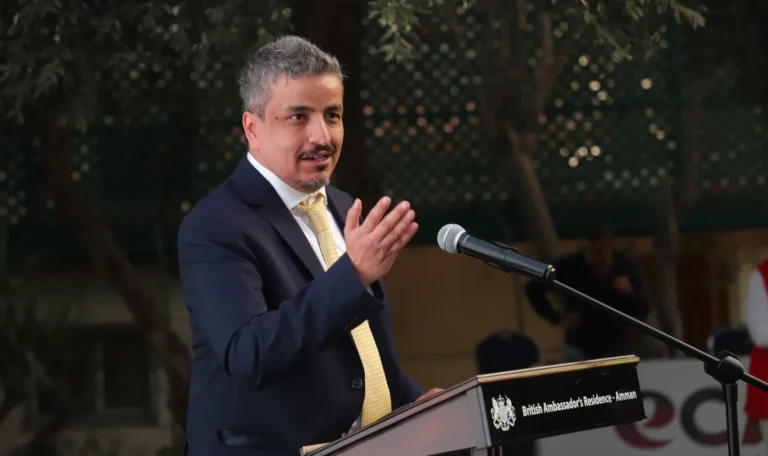
On a Thursday evening in early April, during a live broadcast hosted by the Al-Arab in UK (AUK) platform and presented by the author, Jordanian engineer Abdulrahman Abu Tair spoke about a journey shaped less by breakthrough than by persistence — three years of work, setbacks, recalibration, and ultimately, the acceptance of his UK patent application in the field of smart energy systems.
“It didn’t come easily,” he said. “There were technical challenges, but also procedural ones — and those can be just as demanding.”
A quiet milestone
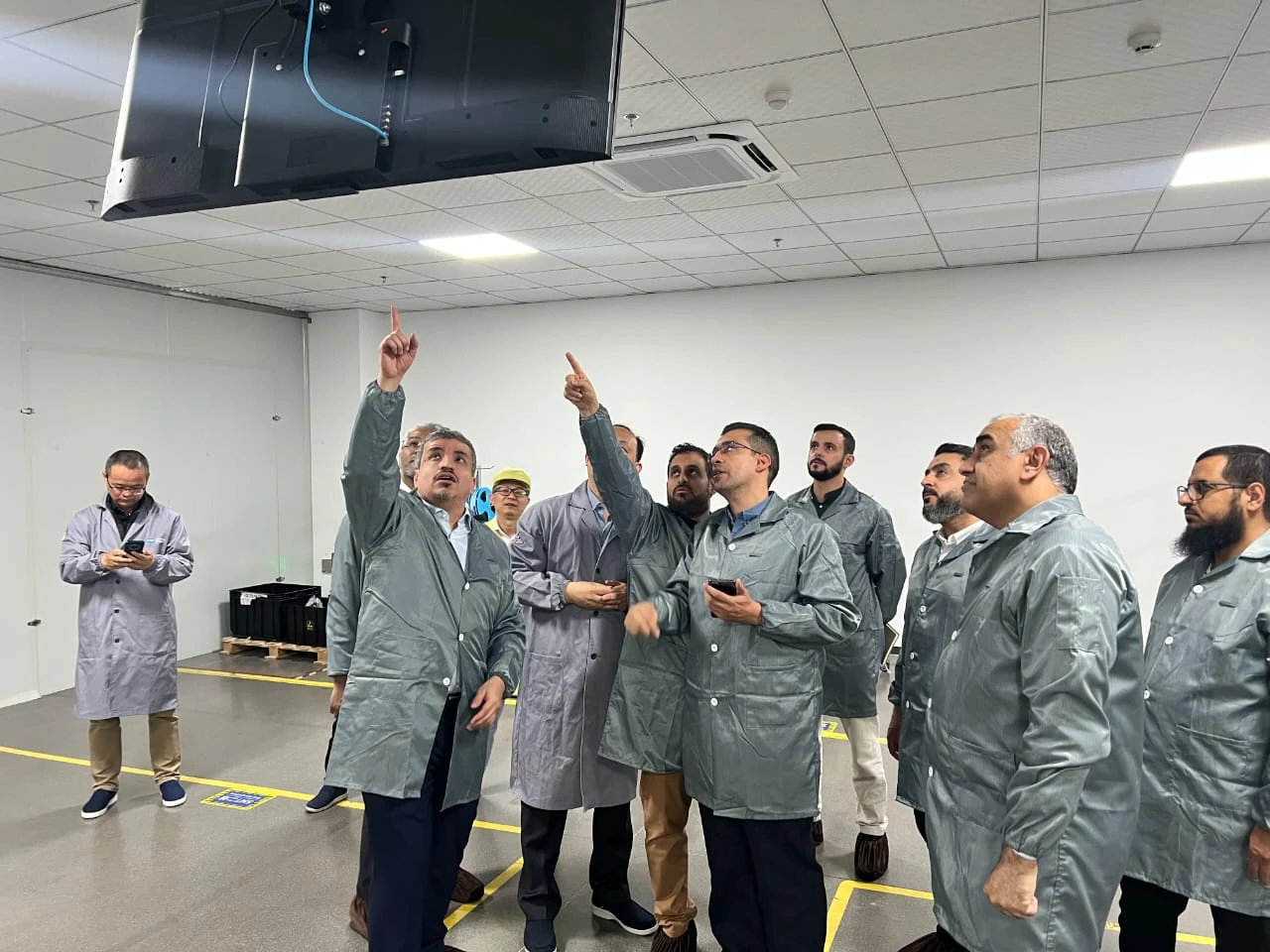
Patent approval rarely carries the drama of a product launch or a funding round. But for Abu Tair, it marked something more enduring: the validation of an idea that had been tested, revised and, at times, doubted.
His invention — a system designed to monitor and optimise energy consumption — sits within a crowded and rapidly evolving sector. Smart energy is no longer a niche field; it is a battleground of data, efficiency and scale.
Yet Abu Tair’s approach, he suggests, is less about disruption and more about precision. The system focuses on improving how energy use is measured and analysed, enabling more responsive decision-making at both household and network levels.
In an era shaped by rising costs and climate pressure, the promise is simple but significant: less waste, better control.
The unseen architecture of innovation
Behind the technical model lies a less visible structure — the legal and institutional framework that determines whether an idea survives beyond its prototype.
Abu Tair spoke about the decision to work with a specialised legal firm to handle the patent process, describing it as essential to ensuring that the application met international standards and progressed efficiently.
“You can have a strong idea,” he noted, “but if it’s not presented correctly, it may never reach the stage it deserves.”
Building across borders
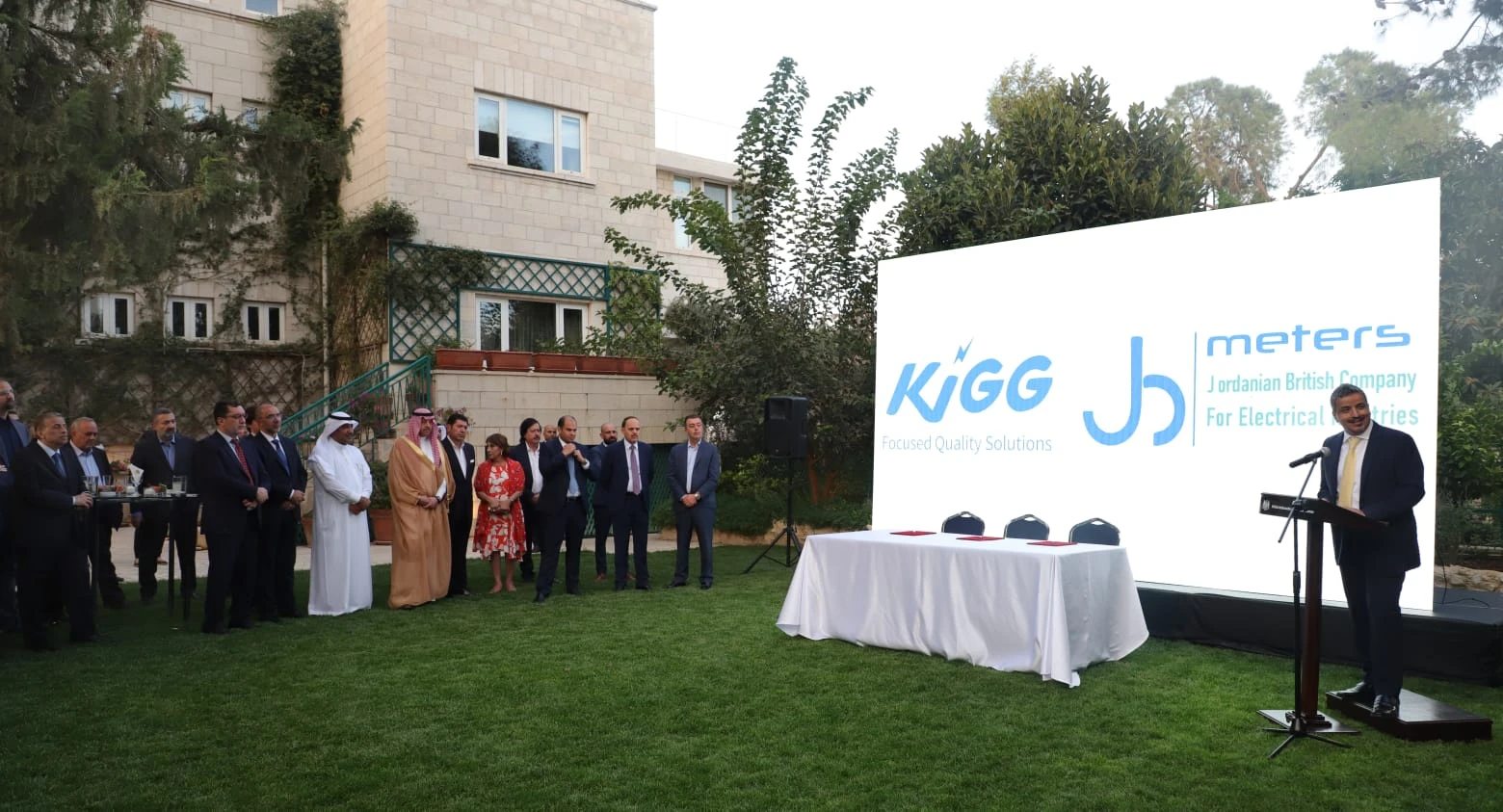
The project itself was not built in isolation. Abu Tair credited his team, and particularly the interplay between his own engineering perspective and the technical expertise available in Britain.
It is this combination — local infrastructure, international experience — that allowed the idea to evolve into a functional system rather than remain a theoretical concept.
He described the UK environment as quietly enabling: structured, predictable, and open to those willing to navigate it.
“The system here gives you a fair chance,” he said. “It doesn’t guarantee success — but it allows you to try.”
A different kind of starting point
Long before patents and prototypes, the story begins elsewhere — in a household where engineering was less a career choice than a background condition.
Abu Tair grew up around the work of his father, an electrical engineer. The language of circuits and systems was not taught so much as absorbed — present in conversations, routines, and the everyday rhythm of work.
It was not a moment of decision, he suggests, but a gradual alignment.
Failure as structure, not interruption
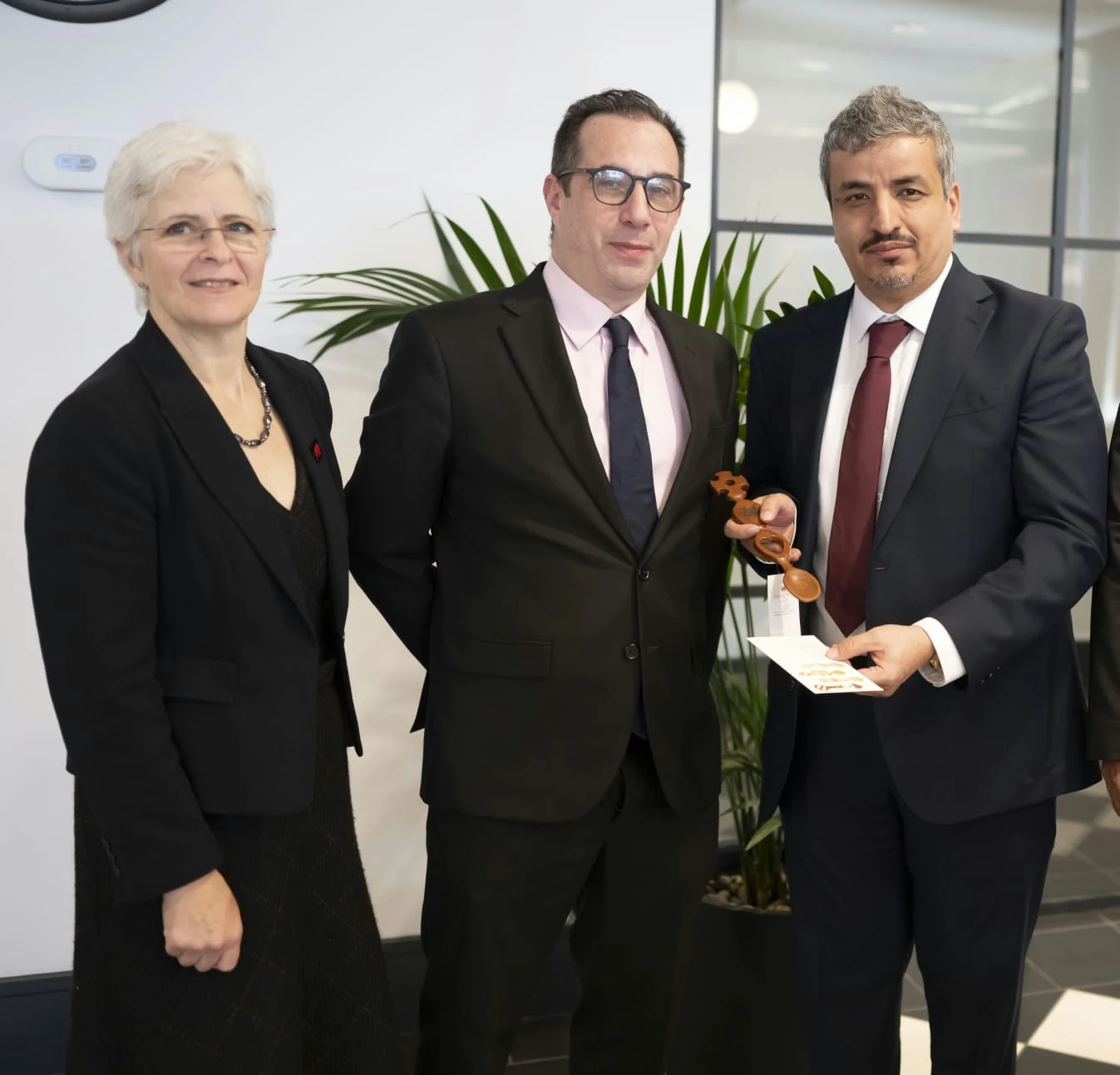
If there is a defining theme in his account, it is not innovation but endurance.
He described a path marked by missed opportunities, difficult phases and repeated adjustments. Conferences, travel, networking — these were not accessories to the journey but its substance.
“This wasn’t built in a day,” he said. “It’s the result of years — including failure.”
The distinction matters. In Abu Tair’s telling, failure is not a deviation from progress but part of its structure.
Why Cardiff, not London?
In an era where startups cluster around major capitals, Abu Tair made a different choice: Cardiff.
The decision was strategic. Large cities, he argued, concentrate capital and attention — but also competition. For early-stage ventures, that intensity can be as limiting as it is attractive.
Cardiff offered something else: space.
Space to develop, to test, and to fail without immediate pressure from larger players. It is a reminder that innovation ecosystems are not only built on scale, but on timing and fit.
Between invention and business
Turning an invention into a viable product introduces a different set of demands.
Abu Tair spoke of the tension between the mindset of an engineer and that of an entrepreneur. One is concerned with solving problems; the other with positioning solutions within markets.
Bridging that gap, he suggested, requires not only technical skill but strategic thinking — and, crucially, investment.
He pointed in particular to the potential for stronger links between Arab investors and the British innovation landscape — a connection he believes remains underdeveloped.
Energy, efficiency and the wider picture
At its core, the project aligns with a broader shift: the move towards more efficient and sustainable energy systems.
Abu Tair’s technology, he argued, contributes to this transition not through large-scale transformation, but through incremental improvement — reducing waste, refining consumption, and enabling better use of existing resources.
Its potential application extends beyond Britain, particularly in regions where energy efficiency is becoming an economic as well as environmental priority.
The longer road
As the conversation drew to a close, the tone shifted again — from systems and markets to something more personal.
For those starting out, Abu Tair offered no formula. Only a direction.
“Believe in your ideas,” he said. “Be patient. And take the opportunities that are available to you.”
It is, perhaps, an understated conclusion for a story that took three years to reach its current point — and which, like most meaningful work, is unlikely to end there.
Read More:
ShortURL ⬇