

Between the Axe and the “Islamophobia Definition”: Is Starmer Failing British Muslims This Ramadan?
Ramadan 2026 began with its familiar spiritual calm for Britain’s Muslims. But it also arrived with a bitter aftertaste. As worshippers headed to mosques, hate incidents targeted Islamic centres in Manchester, Birmingham and London.
This is not a plea for sympathy. It is a question of trust — and that trust between Britain’s Muslim communities and Keir Starmer’s government is under strain. The problem is not symbolism. It is selectivity.
Security Funding: The Numbers Tell the Story
If seriousness is to be measured, it must be measured in numbers.
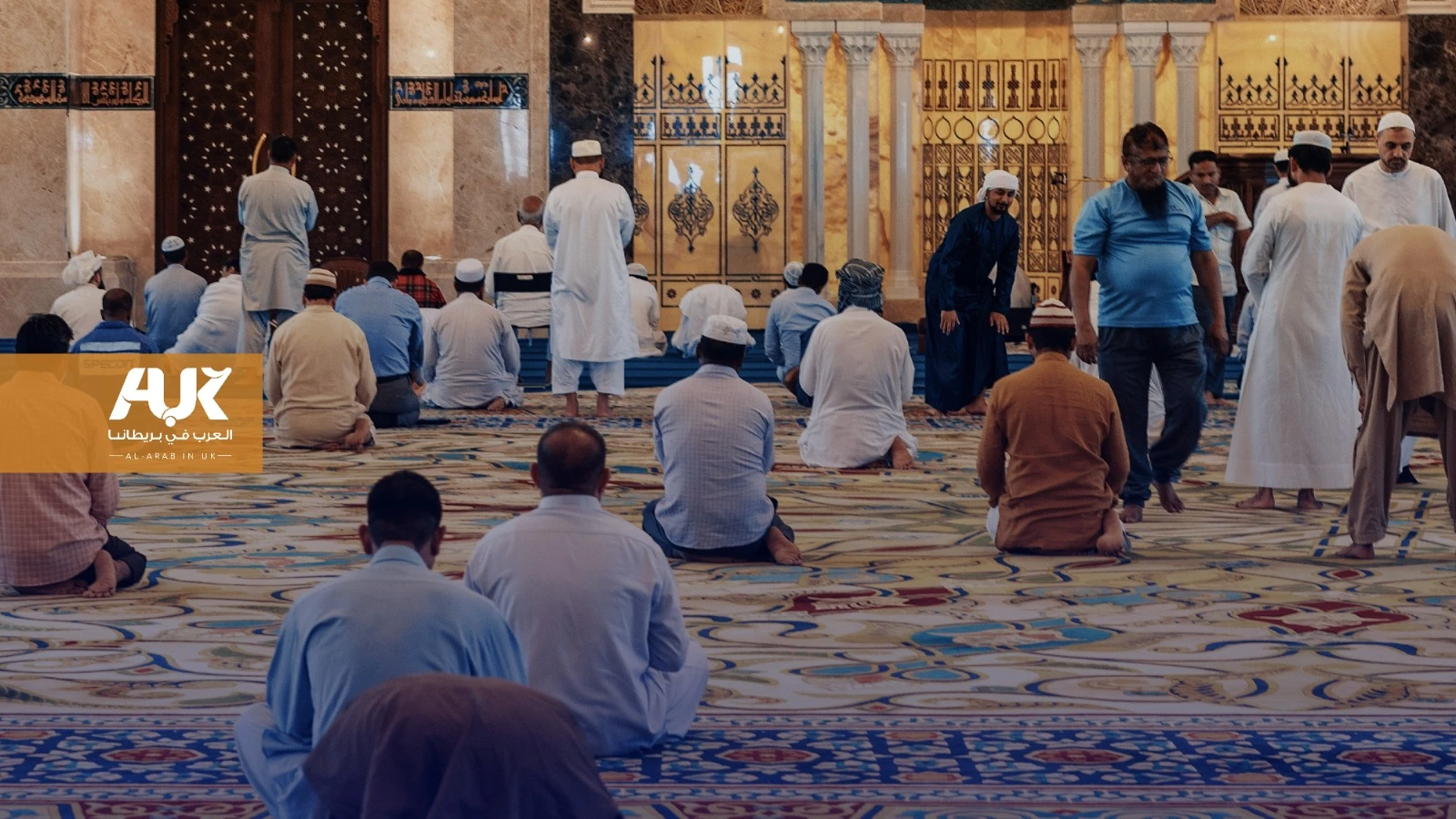
The Prime Minister announced £39.4 million in funding for mosque security, including emergency Ramadan allocations. On the surface, this appears substantial. But context matters.
During the same period, funding allocated to the Community Security Trust (CST), which protects Jewish institutions, exceeded £54 million.
This is not about competing victimhood. It is about structural proportionality.
According to Home Office data, 44 per cent of religious hate crimes in the UK target Muslims. Given both the scale of incidents and the size of the Muslim population, the funding gap raises an unavoidable question: why does Muslim security appear to be a secondary priority in Downing Street’s calculations?
Equal citizenship demands that resources be allocated according to measurable threat, not political convenience.
The Definition of Islamophobia: A Reluctance to Name the Problem
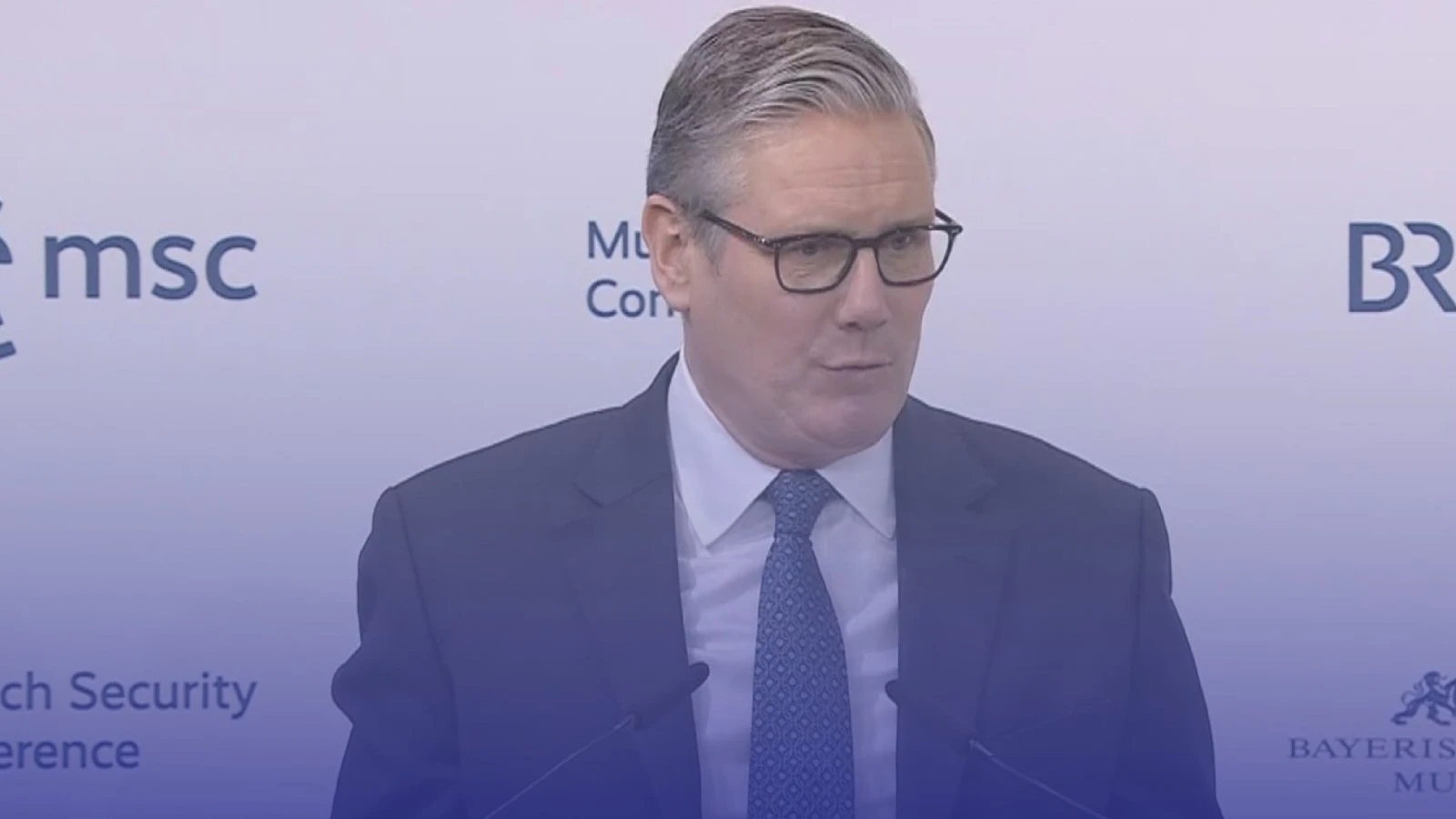
The government continues to refuse to adopt the All-Party Parliamentary Group (APPG) definition of Islamophobia. This refusal places the state in the position of observer rather than actor.
Ministers argue that adopting the definition could threaten freedom of speech. Yet this concern appears to surface only when the subject is anti-Muslim racism.
The absence of a formal definition creates legal ambiguity. That ambiguity benefits those who frame anti-Muslim hostility as “criticism of religion” while targeting people because of who they are.
Without clarity, enforcement weakens. And when enforcement weakens, impunity grows.
Failing to adopt a definition is not neutrality. It is a policy choice.
The Manchester Axe Attack: When Is Terrorism Called Terrorism?
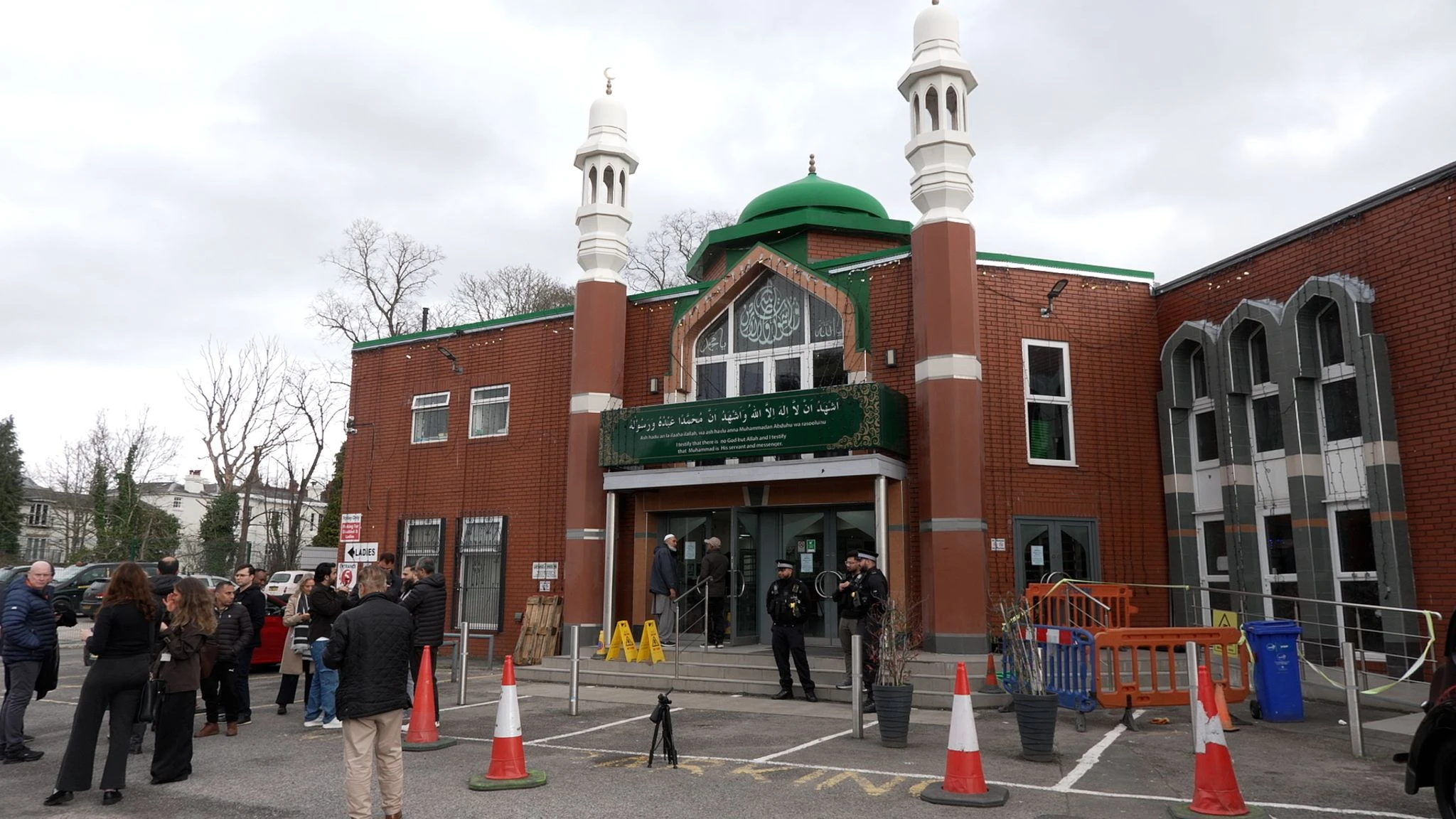
In February 2026, a man entered Manchester Central Mosque carrying an axe and knives. Police were quick to avoid describing the incident as terrorism, instead suggesting behavioural disturbance or an isolated episode.
Under UK law, terrorism includes violence intended to intimidate a section of the public for ideological or political purposes. What, precisely, is entering a mosque armed with an axe if not an attempt to terrorise a section of the public?
When far-right violence against Muslims is described as “disturbance” while other forms of violence are labelled existential threats, a double standard emerges. That double standard sends a message — that Muslim blood does not trigger the same political gravity.
Language matters. Classification matters. Consistency matters.
Equal Taxation, Unequal Security?
British Muslims are not asking for special treatment. They are taxpayers, workers, professionals and citizens.
Mosque security is not a charitable grant; it is a constitutional obligation.
When funding disparities persist, when a clear definition of Islamophobia is avoided, and when far-right violence is diluted linguistically, the cumulative message is damaging: that Muslims remain conditional members of the national community.
If the Prime Minister wishes to restore confidence, it will not be achieved through condemnatory statements alone. It requires structural parity — in funding, in legal clarity and in rhetorical consistency.
Equal citizenship means equal security. Not seasonal reassurance.
Read More:
ShortURL ⬇