

Exiting the Conservatives: Is the Far Right Their Lifeline?
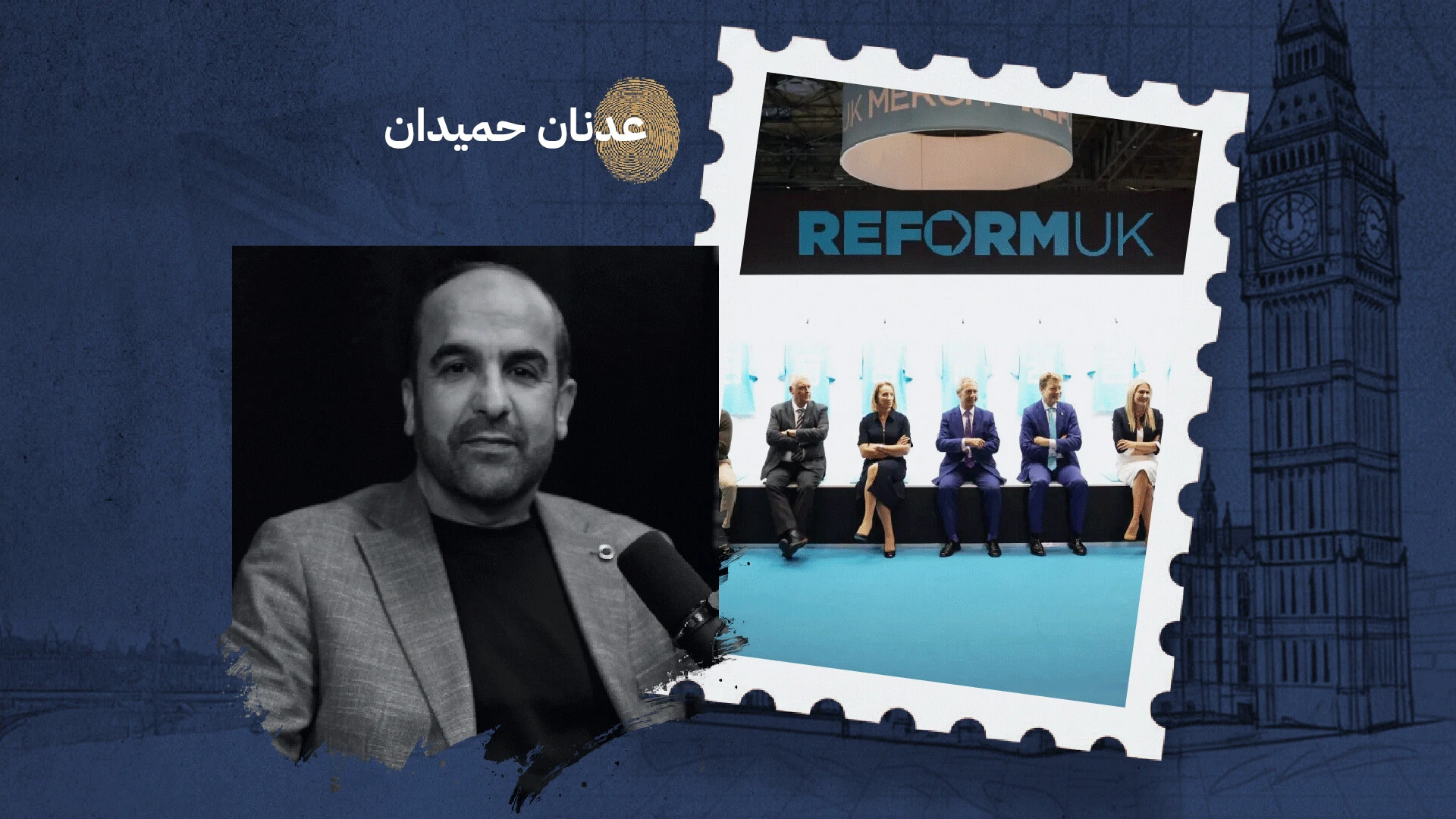
In a rare political moment in modern British history, heavyweight figures from the Conservative Party are tumbling out — defecting from the party that has governed the UK for over thirteen years and drifting toward Reform UK, the most right‑wing and polarising force in the current political landscape.
These are not isolated defections. This is a collective political exodus by senior figures who once held key ministries, shaped national policy, and bore direct responsibility for decisions that have left the country facing some of its most complex economic and social challenges in decades.
The central question now is:
Are we witnessing a genuine ideological shift?Or is this merely a last‑ditch attempt at political survival — jumping from an embattled right into the arms of the far right?
Nine Names… and a Long Record of Controversy
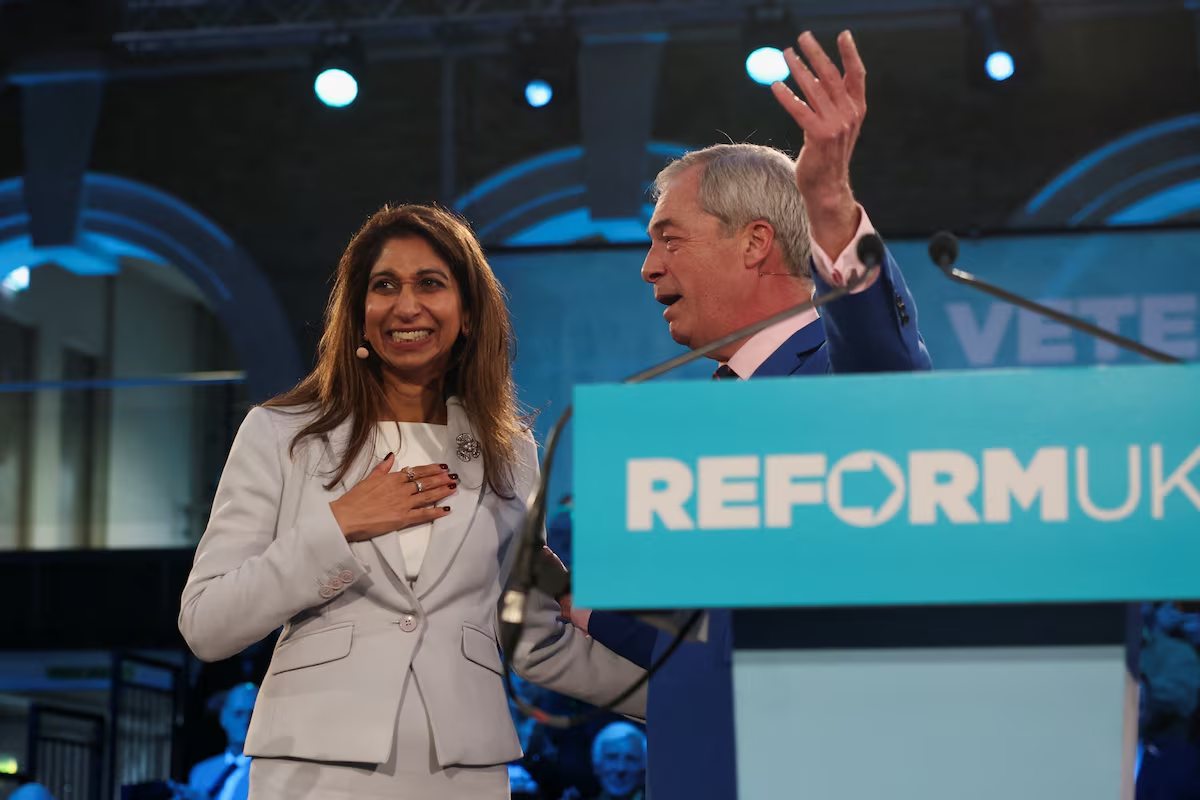
Suella Braverman
The former Home Secretary and one of the most prominent advocates of hard‑line rhetoric in British politics.
Her tenure was marked by:
• Describing asylum seekers as an “invasion”
• Attacks on the UK judiciary
• Pushing the controversial Rwanda deportation plan
• Ignoring warnings from human rights organisations
She was ultimately sacked following security leaks and statements judged to threaten social cohesion.
Andrew Rosindell
A veteran Conservative MP, representing the hard right of the party with hostile positions on immigration and social reform, and a staunch supporter of an uncompromising Brexit.
Robert Jenrick

Former Housing Secretary forced to resign amid scandal over his intervention in favour of a major property development linked to a political donor — one of the most notorious conflicts of interest in Boris Johnson’s era.
Lord Offord
A former minister whose roles in the House of Lords included shepherding controversial legislation tightening immigration and curbing asylum rights.
Nazim Zahawi
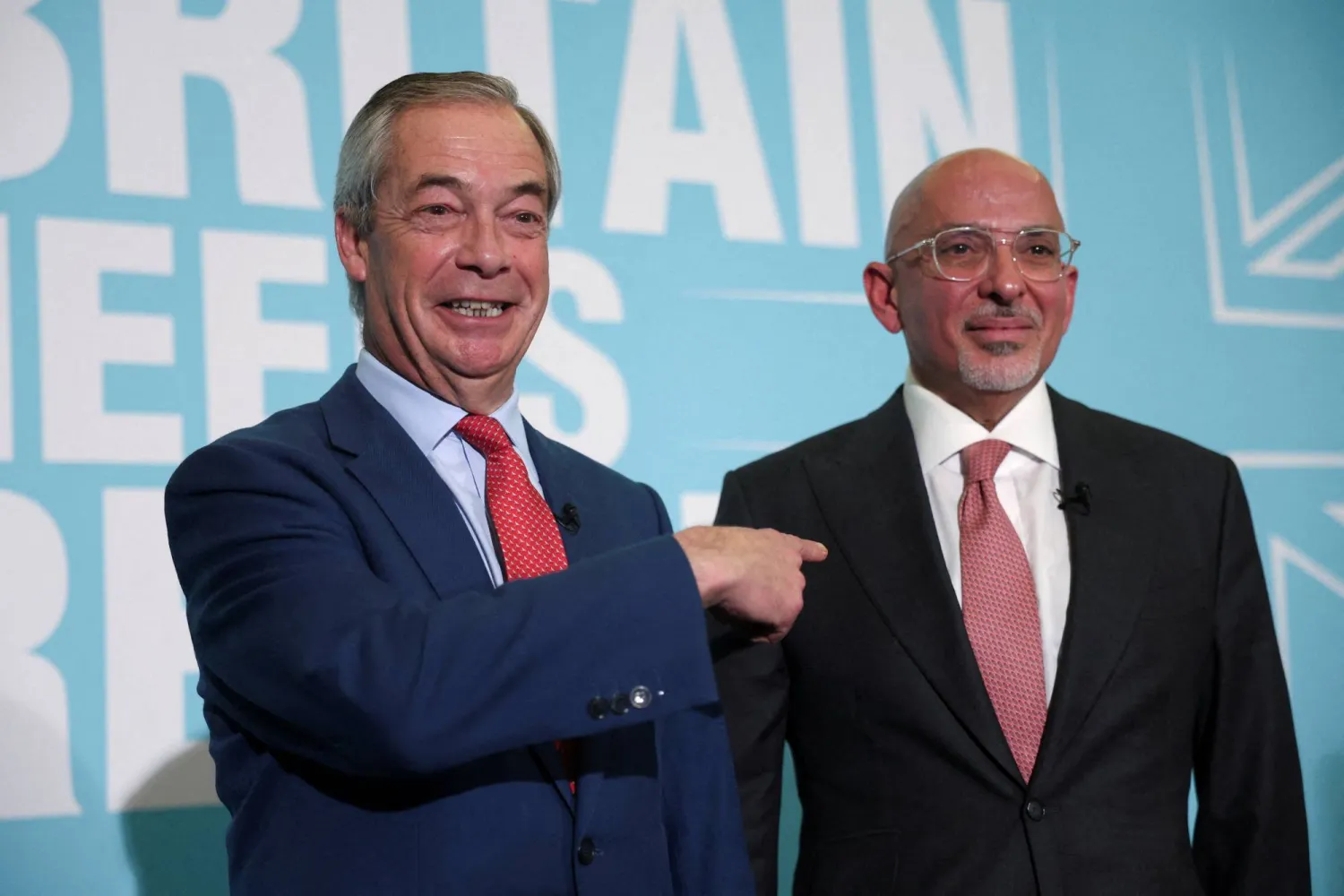
One of the most senior government figures of the past decade, having served as Chancellor and Conservative Party Chair.
His political career was all but ended after:
• Tax irregularities of millions of pounds were confirmed
• A formal penalty was imposed by the tax authority
• An official ethics report described his conduct as “unsuitable for public office”
He became the first Conservative party chair to be formally dismissed over financial misconduct.
Danni Crouch
An MP known for socially conservative rhetoric and opposition to equality laws, with comments described as harking back to politics of half a century ago.
Nadine Dorries

The former Culture Secretary who became more of a media personality than a politician:
• She announced her resignation, then reversed it
• Publicly attacked state institutions
• Clashed with successive prime ministers
• Monetised her populist rhetoric after leaving Parliament
Dame Andrea Jenkyns
A political nomad who shifted from Labour to the Conservatives and now to Reform, known for her sharp anti‑immigration stance and constant appetite for media attention.
Lee Anderson
A former Conservative MP and deputy party chair who was expelled after claiming that “the Mayor of London is controlled by Islamists” — a statement formally condemned by the UK Parliament as direct incitement.
Why Are They Fleeing Now?
The reason is not a newfound ideological conviction. It is hard political reality.
Today’s Conservative Party has:
• Lost ground with the public
• Seen its organisation erode
• Collapsed electorally
• Been drained by scandals
• And failed economically on issues like cost of living, housing, and energy
Most importantly: it can no longer return these figures to power.
So the easiest option seemed to be:
fleeing from traditional right to the far right.
Will Reform Save Them?
Modern European experience provides a clear answer: rarely.
In France, the far right has secured millions of votes but repeatedly failed to seize power.
In Germany, the Alternative for Germany (AfD) leads in some polls yet remains politically and institutionally isolated.
In Italy, despite Giorgia Meloni’s rise to power, her hard‑line rhetoric was quickly softened when confronted with economic and market realities.
The European pattern is clear:
The far right can succeed in protest… but fails in governance.
Has a Single Far‑Right Government Ever Delivered?

In the contemporary world, there is no example of one that has achieved:
• Sustainable economic revival
• Social stability
• National unity
• Long‑term prosperity
By:
• Demonising migrants
• Feeding fear
• Dividing society
• Blaming the vulnerable
The outcome has typically been:
• International isolation
• Decline in investment
• Brain drain
• Deep domestic polarisation
What Does This Mean for Britain?
Britain is a state of strong institutions, built on diverse communities and cultures — not driven by anger or slogans.
The far right offers none of the following:
• A credible economic plan
• A social programme
• Solutions to the housing crisis
• A vision for health or education
What it offers instead is a single narrative:
anger in place of solutions.
For this reason, the migration of these figures to Reform is not a political project —
it is a personal lifeline for those whose relevance has expired within their original party.
Conclusion
Those who flee from failure do not create the future.
Leaping from a beleaguered right to the far right does not build a state —
it deepens societal divides.
Extremism does not build economies,
does not solve cost‑of‑living crises,
and does not restore trust in institutions.
As British citizens, and as Arabs and Muslims, our responsibility is not to rally behind one faction or another —
but to defend moderation, the rule of law, and shared coexistence.
History always repeats its lessons:
When the centre fails, states are not saved by leaping to the edge.
Read more:
ShortURL ⬇